Businessen
Qantas Airways Announces Strategic Fleet Overhaul and Retirement of Airbus A380s
Australia's flagship carrier plans to modernize its long-haul operations as it reports a decline in annual profits.
PENN Explainer
Hear this story explained in 90 seconds.
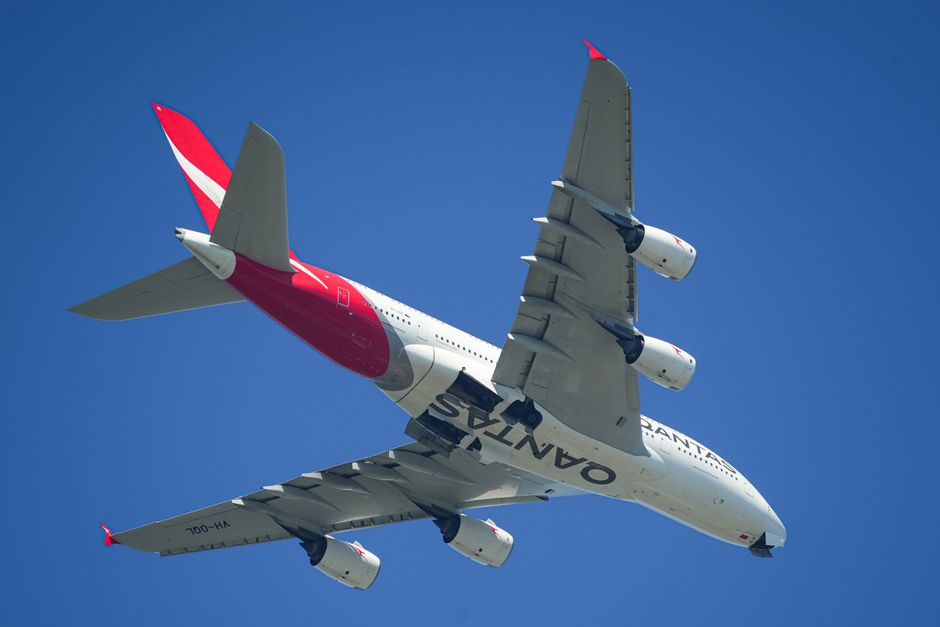
Qantas Airways has officially announced a significant shift in its long-term fleet strategy as the airline navigates a period of cooling financial performance. The Australian carrier revealed that it will begin the phased retirement of its iconic Airbus A380 superjumbo fleet starting in 2028. This decision marks a major transition for the airline, which has relied on the massive double-decker aircraft for its most popular international routes for nearly two decades. The move is part of a broader effort to modernize operations and improve overall fuel efficiency across its global network.
The announcement follows the release of the company's latest financial results, which showed a decline in annual profits compared to the previous year. Despite the dip in earnings, leadership at Qantas remains optimistic about the company's future revenue potential. The airline reported an upbeat outlook for the coming fiscal year, citing strong demand for international travel and a focus on premium service offerings. Executives believe that streamlining the fleet will help the company better manage rising operational costs and maintain its competitive edge in a crowded market.
Retiring the A380s is a strategic move designed to replace older, less efficient aircraft with newer, more sustainable models. The aviation industry has been increasingly focused on reducing carbon footprints and lowering maintenance expenses, both of which are easier to achieve with modern, twin-engine jets. By transitioning away from the four-engine A380, Qantas aims to optimize its flight paths and reduce the complexity of its maintenance schedules. This shift is expected to provide long-term savings that will help stabilize the company's bottom line.
Industry analysts suggest that the retirement of the A380 is a sign of changing times in global aviation. Many major carriers have been moving away from the largest aircraft in favor of smaller, more flexible planes that can operate more efficiently on a wider variety of routes. While the A380 was once considered the future of long-haul travel, the current economic environment favors agility and lower operating costs. Qantas is now aligning its business model with these shifting industry trends to ensure long-term viability.
For passengers, the transition will likely mean a gradual change in the onboard experience as the airline introduces new cabin configurations. Qantas has emphasized that it remains committed to providing high-quality service, even as it updates its fleet. The airline plans to invest in new technology and interior designs to ensure that its future aircraft meet the expectations of modern travelers. These upgrades are intended to keep the carrier attractive to both business and leisure passengers in a highly competitive global market.
The decision also reflects the broader challenges facing the airline industry in 2026. Rising fuel prices, fluctuating demand, and the need for significant capital investment in new technology have put pressure on many global carriers. Qantas is not alone in re-evaluating its fleet, as airlines worldwide look for ways to balance growth with fiscal responsibility. By taking proactive steps now, the company hopes to navigate these economic headwinds more effectively than its competitors.
Investors have been watching the airline's moves closely as it balances its debt levels with the need for fleet renewal. The announcement of the A380 retirement was met with a measured response from the market, as shareholders weigh the costs of new aircraft against the potential for future efficiency gains. The company's ability to execute this transition smoothly will be a key factor in its financial performance over the next several years. Management has expressed confidence that the plan is both necessary and achievable.
As Qantas prepares for this transition, it will continue to operate its existing A380 fleet on key international routes. The gradual nature of the retirement process is intended to minimize disruptions to service and allow for a seamless integration of new aircraft. The airline has not yet specified which models will replace the A380s, but industry experts expect a mix of next-generation wide-body jets. This flexibility will allow Qantas to adjust its capacity based on real-time demand across its network.
Ultimately, the move represents a turning point for one of the world's oldest and most recognizable airlines. By letting go of a symbol of the previous era of aviation, Qantas is signaling its intent to remain a leader in the modern, efficiency-driven market. The coming years will be critical as the airline works to balance its legacy with the demands of a rapidly evolving global economy. Stakeholders will be looking for signs of improved margins and operational stability as the fleet overhaul progresses.
Ask the Author
Subscribers can ask the journalist a question about this story. Subscribe to ask.
中立性の注記
Auto-harvested from global news wires and presented neutrally by PENN.
to vote
Comments
No comments yet — be the first to share your thoughts.