Regional Tensions Rise as Oil Prices Climb Amid Middle East Conflict
Global markets react to ongoing instability in the Middle East as diplomatic efforts to resolve the long-standing conflict face significant hurdles.
PENN Explainer
Hear this story explained in 90 seconds.
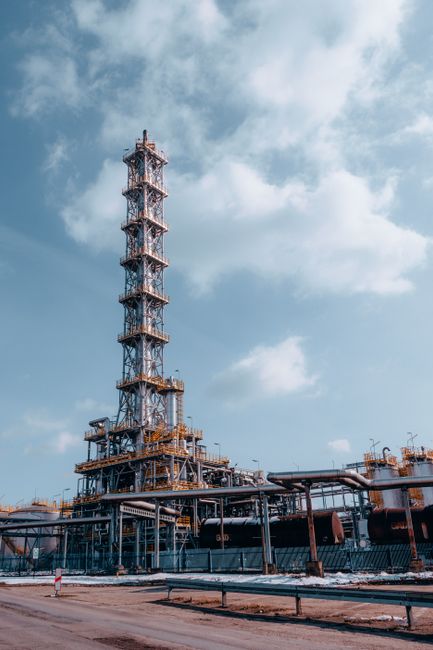
Global oil prices reached their highest levels in nearly three weeks on August 19, 2026, as regional tensions in the Middle East continue to escalate. The increase in market volatility follows a growing diplomatic and political spat between the United Arab Emirates and Iran. Analysts suggest that this friction is further complicating an already fragile situation in the region. As of mid-August, a definitive solution to the six-month-long conflict remains elusive, leaving international observers concerned about the potential for further economic disruption. The uncertainty surrounding these developments has caused ripples across global energy markets, impacting supply chains and input costs for businesses worldwide. While diplomatic channels remain open, the path toward a lasting peace appears increasingly difficult to navigate. Experts from the Carnegie Endowment for International Peace have warned that the region could face a period of intense economic warfare if current tensions are not addressed. This potential for prolonged instability has prompted leaders and international organizations to closely monitor shipping routes and energy production facilities. The economic impact of the conflict is already being felt through longer delivery times and weaker economic activity in several sectors. Despite these challenges, international efforts to mediate the situation are ongoing, though progress has been slow. The situation remains fluid, with market analysts cautioning that conditions may take significant time to normalize even if a breakthrough is achieved. Governments and private sector entities are currently assessing their exposure to these risks as they prepare for potential long-term shifts in global trade. The international community continues to watch the region closely, hoping for a de-escalation that could stabilize both the humanitarian situation and the global economy.
Ask the Author
Subscribers can ask the journalist a question about this story. Subscribe to ask.
Neutrality note
Auto-harvested from global news wires and presented neutrally by PENN.
to vote
Comments
No comments yet — be the first to share your thoughts.
Related stories in World/International

Cuba Faces Widespread Power Outage as National Grid Struggles
2026-09-26
Democratic Republic of the Congo Faces Political Uncertainty Following Presidential Election
2026-09-26