Researchers Discover Hidden Protein Recycling Hubs Inside Human Sperm Cells
Advanced imaging reveals specialized compartments that could change our understanding of reproductive biology.
PENN Explainer
Hear this story explained in 90 seconds.
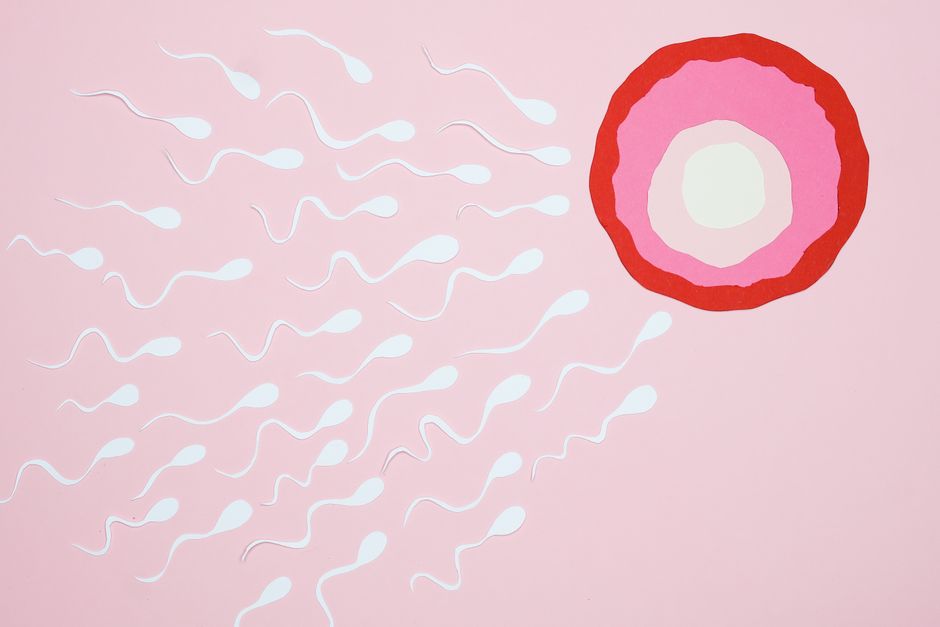
Researchers have identified a previously unknown feature within human sperm cells that could change how scientists understand male fertility. A collaborative team from VIB, VUB, and the Medical Research Council Laboratory of Molecular Biology in the United Kingdom discovered hidden protein recycling hubs inside these cells. These specialized compartments appear to play a critical role in maintaining the health and function of sperm throughout their lifecycle. The discovery was made possible through the use of advanced imaging technologies that allow scientists to observe cellular structures at an unprecedented level of detail. By peering into the internal architecture of the sperm, the team was able to map out these recycling centers for the first time. These hubs are responsible for breaking down and repurposing proteins, a process essential for cellular maintenance and energy management. Understanding how these compartments function could provide new insights into the biological mechanisms that govern human reproduction. The research team noted that these recycling hubs are highly organized, suggesting they are a fundamental part of the sperm's design rather than a random occurrence. This level of complexity highlights the sophisticated nature of human reproductive cells, which must remain viable under challenging conditions. Scientists believe that disruptions in these recycling processes could potentially be linked to certain types of male infertility. By studying these hubs, researchers hope to develop new diagnostic tools or treatments for reproductive health issues. The findings have been met with interest from the broader scientific community, as they open up new avenues for exploring cellular biology. Future studies will likely focus on how these recycling hubs respond to environmental factors and aging. This discovery serves as a reminder of how much remains to be learned about the basic building blocks of human life. The team plans to continue their work to determine if similar structures exist in other types of cells throughout the human body.
Ask the Author
Subscribers can ask the journalist a question about this story. Subscribe to ask.
Nota de neutralidad
Auto-harvested from global news wires and presented neutrally by PENN.
to vote
Comments
No comments yet — be the first to share your thoughts.