
Researchers Identify Genetic Corn Trait to Enhance Drought Resilience
New findings on root structure and cell length offer a promising path for breeding more resilient crops in changing climates.

PENN Explainer
Hear this story explained in 90 seconds.
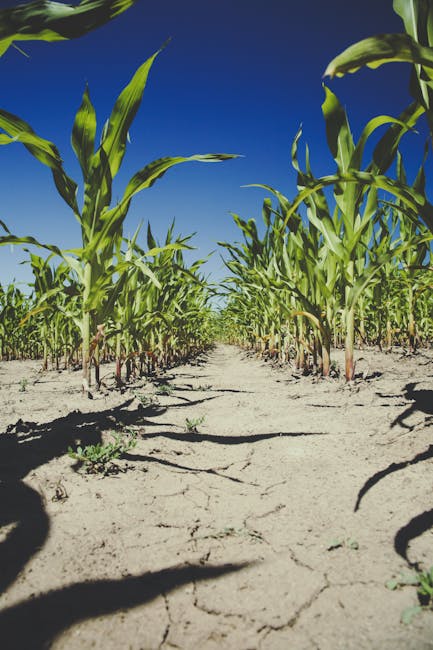
A team of researchers has identified a specific genetic trait in corn plants that could significantly improve their ability to withstand drought conditions. The study, which was recently published in the journal Crop Science, highlights how certain corn varieties possess longer, less constricted water-conducting tissues. These specialized structures, known as metaxylem vessel elements, allow the plants to transport water more efficiently even when soil moisture is limited. By focusing on these internal tube-like cells, scientists believe they have found a new target for breeding crops that can better survive periods of extreme heat and low rainfall. Christopher Strock, the lead author of the study, conducted extensive field research in Chile to collect and analyze various corn samples. The research team also utilized the Russell E. Larson Agricultural Research Center at Penn State University to further examine how these plants perform under controlled conditions. Their findings suggest that plants with deeper root systems and longer vessel elements are better equipped to access water stored deep within the soil. This discovery is considered a significant step forward in the ongoing effort to secure global food supplies against the challenges posed by climate change. As weather patterns become increasingly unpredictable, the ability to develop crops that require less water is becoming a priority for agricultural scientists worldwide. The research emphasizes that deep root systems are particularly beneficial in environments where subsoil water is available but difficult for standard crops to reach. While the study focuses on corn, the researchers hope that these insights into plant anatomy can be applied to other essential food crops. The goal is to create agricultural solutions that help farmers maintain stable yields despite the growing frequency of drought events. This work complements broader international efforts, such as those led by the Food and Agriculture Organization of the United Nations, to promote the use of drought-resilient and nutritious crop varieties. By combining traditional breeding techniques with modern genetic insights, the agricultural sector aims to build a more robust food system for the future. The researchers plan to continue their work by testing these traits in diverse field environments to ensure they remain effective across different soil types and climates. This ongoing research represents a critical component of global food security strategies, as nations look for ways to adapt to a warming planet. The findings provide a clear, science-based pathway for developing the next generation of resilient crops that can feed a growing global population.
Ask the Author
Subscribers can ask the journalist a question about this story. Subscribe to ask.
নিরপেক্ষতা নোট
Auto-harvested from global news wires and presented neutrally by PENN.
to vote
Comments
No comments yet — be the first to share your thoughts.
Related stories in Agriculture & Food Security
Israeli Researchers Develop Drought-Resistant Tomato Variety to Combat Climate Change
2026-09-28
Mexico Repeals Restrictions on Genetically Modified Corn Imports
2026-09-28