Researchers Identify New Species of Ghost Shark off Costa Rica
Genetic analysis and decades of specimen collection confirm the existence of Rhinochimaera costaricana in the deep Pacific.
PENN Explainer
Hear this story explained in 90 seconds.
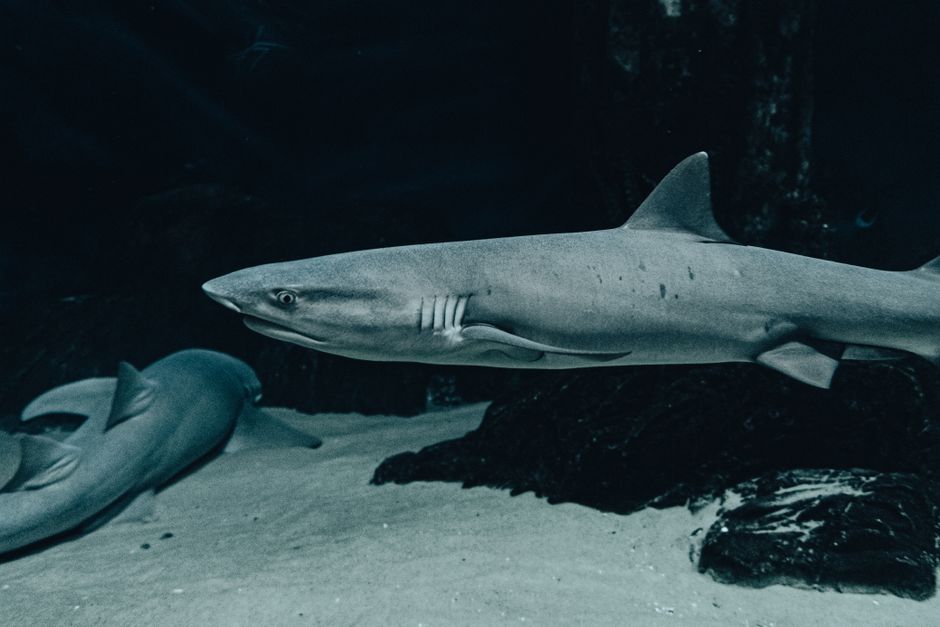
Scientists have officially identified a new species of deep-sea fish known as a ghost shark in the Pacific Ocean off the coast of Costa Rica. The discovery marks the first time researchers have documented this specific creature, which has been named Rhinochimaera costaricana. This finding highlights the vast amount of biodiversity that remains hidden within the deep ocean, even in areas that have been studied by regional experts for many years. The identification process relied on a combination of physical examination and modern genetic tools.
Researchers spent decades collecting sporadic specimens before they could definitively distinguish this species from its close relatives. According to Naidely Valeria Vidaurre-Quesada, the lead author of the study, these advanced genetic techniques were essential for confirming the unique status of the fish. The discovery of Rhinochimaera costaricana serves as a reminder of how much of the world's deep-ocean life remains uncharted. Experts warn that many deep-sea species may be disappearing due to environmental changes before they are ever properly documented by science.
This new information could lead to significant shifts in future marine conservation priorities for the region. The study underscores the importance of continued exploration and the use of high-tech equipment to monitor remote underwater habitats. By better understanding these elusive animals, scientists hope to gain a clearer picture of the health and complexity of deep-sea ecosystems. Future research efforts will likely focus on mapping the distribution of this ghost shark to better protect its natural environment. The team involved in the study is now working to share their findings with the broader scientific community to encourage further investigation into the deep waters of the Pacific.
Ask the Author
Subscribers can ask the journalist a question about this story. Subscribe to ask.
中立性说明
Auto-harvested from global news wires and presented neutrally by PENN.
to vote
Comments
No comments yet — be the first to share your thoughts.
Related stories in Science & Technology
International Expedition Discovers 31 New Deep-Sea Species Off Brazil Coast
2026-10-02
Artificial Intelligence Transforms Deep-Sea Exploration and Mapping
2026-10-02