
Samoa Unveils Comprehensive Marine Spatial Plan Protecting 30 Percent of Its Ocean Territory
The Pacific island nation establishes fully protected marine zones and sustainable fisheries management across its exclusive economic zone.
PENN Explainer
Hear this story explained in 90 seconds.
The Pacific island nation of Samoa has formally established an ambitious national marine spatial plan designed to protect 30 percent of its ocean territory, according to an article published by [Mongabay](https://news.mongabay.com/2025/06/samoas-new-marine-spatial-plan-protects-30-of-the-countrys-ocean/). The initiative marks a major milestone in Pacific ocean governance by designating broad swaths of waters for strict conservation while structuring sustainable usage zones for local fishing communities.
Samoa's exclusive economic zone spans approximately 120,000 square kilometers of the southwest Pacific Ocean. Under the newly enacted framework, nearly 36,000 square kilometers are categorized under high-level ecological protection to allow marine ecosystems to recover from overfishing, habitat degradation, and climate stress.
The framework represents years of technical consultation, mapping, and community discussions across Samoa's main islands of Upolu and Savai'i. The Ministry of Natural Resources and Environment led the development of the policy alongside local village councils, commercial operators, and ocean research organizations.
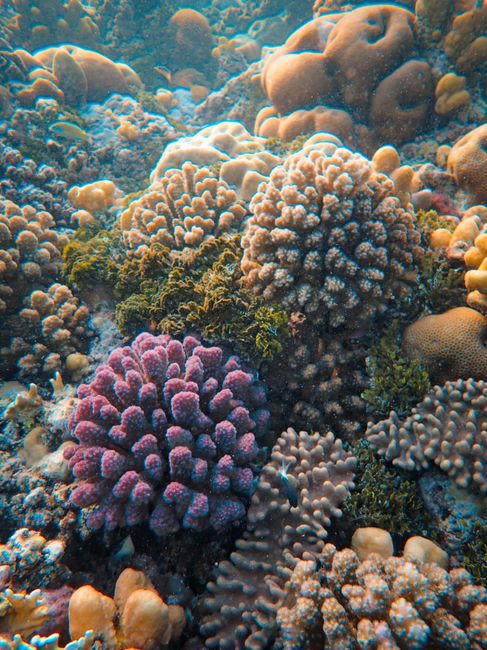
Under the provisions of the plan, designated marine reserves will prohibit all extractive activities, including industrial commercial fishing, seabed mineral extraction, and large-scale dredging. These sanctuaries are placed in biologically sensitive areas known to support critical coral reef colonies, sea turtle foraging grounds, and pelagic fish nurseries.
In addition to strict no-take zones, the zoning map establishes multiple-use management areas where traditional subsistence fishing and regulated artisanal practices may continue. Local village chiefs and councils retain the legal authority to monitor nearshore boundaries through traditional customary stewardship practices known as fa'amatai.
International conservation groups and Pacific regional bodies praised the formal implementation of the plan, noting that island nations face heightened risks from ocean acidification and intensifying tropical cyclones. Protecting healthy coral barriers reduces coastal erosion and buffers coastal villages against storm surges during severe weather events.
Samoan officials emphasized that balancing conservation goals with the economic realities of local communities was essential during planning stages. Fish remains a vital source of daily protein and food security across the country, making transparent consultation with local fishermen critical to widespread compliance.
The initiative directly aligns with the United Nations Kunming-Montreal Global Biodiversity Framework, which urges all member nations to conserve 30 percent of terrestrial and marine habitats by 2030. Samoa joins several other Pacific neighbors, including Niue and Fiji, in formalizing comprehensive ocean protection strategies under the 30-by-30 targets.
Enforcement of the new oceanic borders will involve coordinated patrols conducted by the Samoa Police Maritime Wing alongside satellite tracking surveillance. The nation also plans to leverage regional agreements with partner nations in Australasia to oversee offshore fishing vessels operating near the borders of its waters.
Scientific institutions will conduct regular ecological monitoring across protected zones to measure changes in fish biomass, coral cover, and species diversity over time. Government representatives stated that these findings will help authorities adapt local fisheries management rules as climatic conditions fluctuate in coming years.
Ask the Author
Subscribers can ask the journalist a question about this story. Subscribe to ask.
Neutrality note
Auto-harvested from global news wires and presented neutrally by PENN.
to vote
Comments
No comments yet — be the first to share your thoughts.
Related stories in Environment

Researchers Develop New Flow Battery Technology to Boost Renewable Energy Storage
2026-09-24
New Study Finds Cougars Significantly Reduce Vehicle-Deer Collisions in the United States
2026-09-24