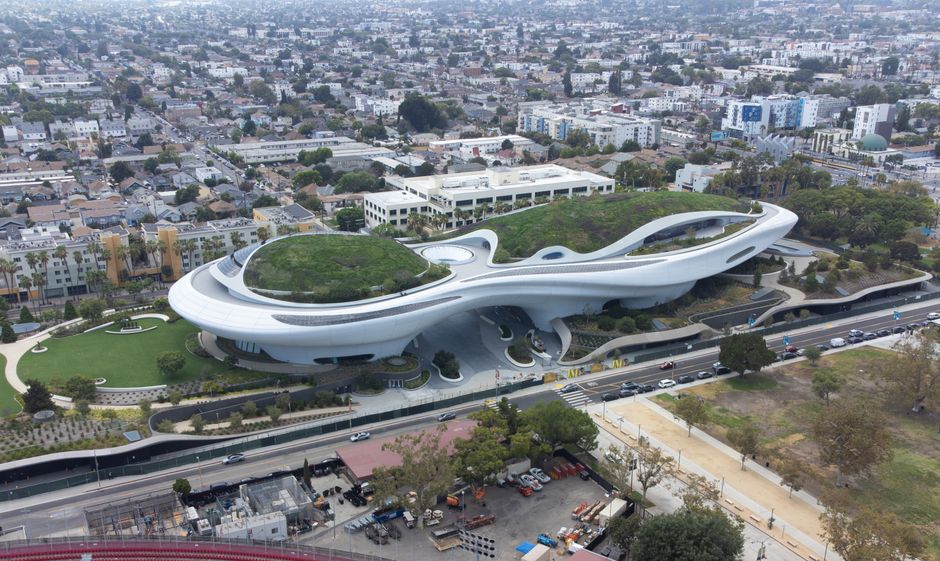
Sanskriti Museum of Indian Textiles and Everyday Art Reopens in Delhi
The historic institution returns to the public eye, preserving traditional design heritage and memories of the past.
PENN Explainer
Hear this story explained in 90 seconds.
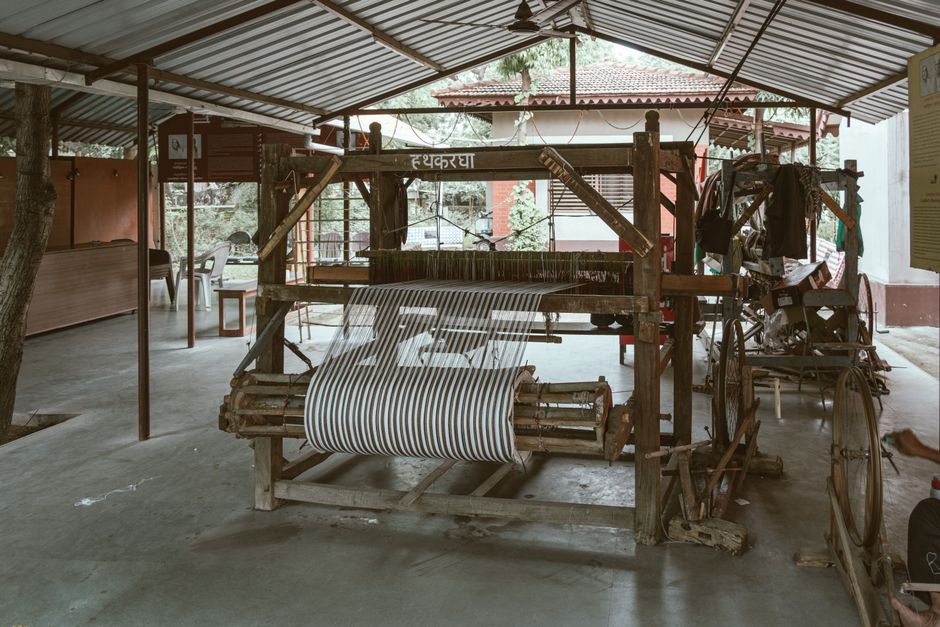
The Sanskriti Museum of Indian Textiles and Everyday Art has officially reopened its doors in Delhi, marking a significant moment for the preservation of traditional design heritage. The museum is widely recognized for its extensive collection that captures the history and evolution of Indian craftsmanship. By showcasing items that reflect the daily lives of past generations, the institution serves as a vital link to the country's cultural roots. Visitors can now explore exhibits that highlight the intricate beauty of regional textiles and functional objects. These items offer a unique glimpse into the social and artistic practices that have shaped Indian identity over many decades. The reopening is expected to draw both local residents and international tourists interested in the depth of Indian history. Museum officials have emphasized that the space is designed to be more than just a display of artifacts. It aims to act as a living archive where the stories behind everyday objects are honored and shared with the public. This approach helps ensure that traditional skills and design philosophies are not lost to time. The collection includes a wide variety of pieces, ranging from hand-woven fabrics to tools used in domestic life. Each object tells a story of human ingenuity and the resourcefulness of artisans from different regions. By focusing on the intersection of art and utility, the museum provides a comprehensive look at the material culture of India. The reopening comes at a time when there is a growing global interest in sustainable and traditional craft practices. Many contemporary designers and researchers look to such museums for inspiration and to understand the origins of modern techniques. The Sanskriti Museum plays a crucial role in this exchange by providing a well-curated environment for study and appreciation. The institution remains committed to its mission of safeguarding the intangible heritage of the nation. Through its ongoing efforts, it continues to foster a deeper understanding of the diverse traditions that define the Indian landscape. The museum is now welcoming visitors to experience these preserved memories firsthand.
Ask the Author
Subscribers can ask the journalist a question about this story. Subscribe to ask.
Nota neutralitatis
Auto-harvested from global news wires and presented neutrally by PENN.
to vote
Comments
No comments yet — be the first to share your thoughts.
Related stories in Art and Culture

Granada Launches Neorama Festival to Showcase Emerging Musical Talent
2026-09-27
Paris Landmark Transformed by Artist JR with Giant Inflatable Cave Installation
2026-09-27