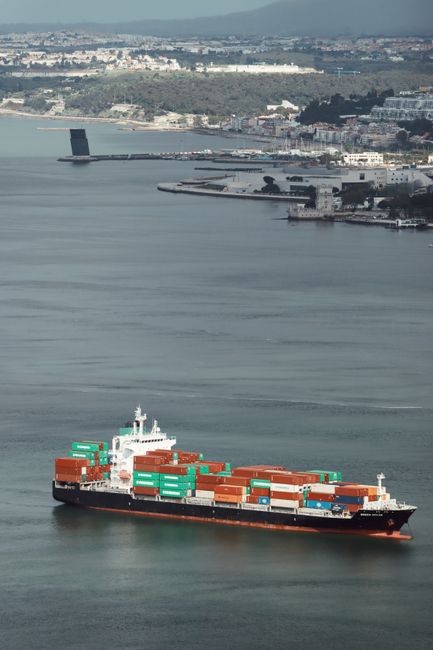
Saudi Arabia Announces Multinational Maritime Defense Coalition for Red Sea Security
New security initiative aims to protect international shipping lanes and energy supply routes from regional threats.

PENN Explainer
Hear this story explained in 90 seconds.
Saudi Arabia officially unveiled plans on September 14, 2026, to establish a multinational maritime defense coalition. The initiative is designed to bolster security for international shipping and vital energy supply routes in the Red Sea. This move comes as regional maritime tensions continue to impact global trade flows.
The coalition will focus on coordinating naval patrols and surveillance efforts across one of the world's most critical waterways. By pooling resources from multiple nations, the alliance aims to deter hostile actions against commercial vessels. Officials stated that the primary goal is to ensure the safe passage of goods and energy resources through the region.
This announcement follows a period of significant disruption for maritime traffic in nearby waters. In recent months, various shipping companies have diverted vessels away from traditional routes to avoid potential security risks. These diversions have led to longer transit times and increased operational costs for global logistics providers.
Industry experts note that the Red Sea remains a central artery for international commerce. Any instability in this corridor can have immediate effects on global supply chains and commodity prices. The formation of a dedicated security coalition is seen as a direct response to these ongoing challenges.
Participating nations are expected to contribute naval assets and intelligence-sharing capabilities to the effort. The coalition will work to monitor maritime traffic and respond rapidly to any threats identified in the area. This collaborative approach is intended to provide a more stable environment for merchant sailors and shipping operators.
Maritime security organizations have expressed support for initiatives that prioritize the safety of seafarers. Civilian crews are often the most vulnerable during periods of regional conflict, and their protection remains a top priority for the global shipping industry. The new coalition is expected to integrate with existing international maritime security frameworks.
While the specific details regarding the number of participating countries remain under development, the announcement has already drawn attention from global trade analysts. The effectiveness of the coalition will likely depend on the level of cooperation and the speed of deployment for naval assets. Observers are closely watching how these security measures will influence shipping insurance rates and vessel routing decisions.
This development is part of a broader trend of nations taking proactive steps to secure their maritime interests. As global trade becomes increasingly interconnected, the security of chokepoints and transit corridors has become a matter of national and international concern. The Saudi-led initiative reflects a growing recognition of the need for collective action in maritime defense.
Future updates are expected as the coalition formalizes its operational structure and command protocols. The success of this mission could serve as a model for addressing similar security concerns in other parts of the world. For now, the focus remains on establishing a visible and effective presence in the Red Sea to restore confidence among shipping lines.
Ask the Author
Subscribers can ask the journalist a question about this story. Subscribe to ask.
Neutrality note
Auto-harvested from global news wires and presented neutrally by PENN.
to vote
Comments
No comments yet — be the first to share your thoughts.
Related stories in Oceanic/Maritime

American Bureau of Shipping Partners with South Korean Firms to Set New Smart Ship Standards
2026-10-05
South Australia Implements Sweeping Ban on Shark and Ray Fishing
2026-10-05