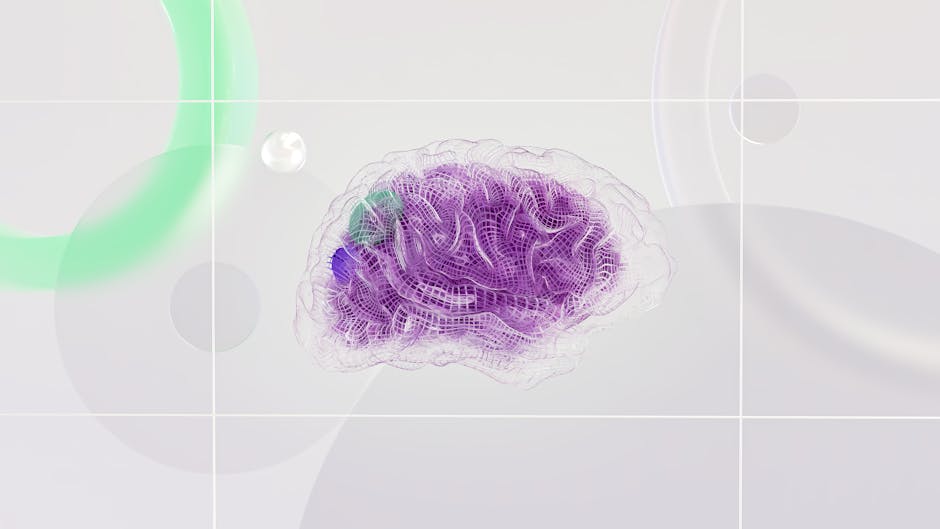
Scientists have reached a major milestone in the field of bioelectronics by creating artificial neurons that can communicate with living brain cells. This breakthrough was achieved using slices of mouse brain tissue in a controlled laboratory setting. The artificial neurons were able to send signals that the real neurons recognized and acted upon. This discovery marks a significant step forward in connecting technology with the human body.
The research was led by a team at Northwestern University, where scientists developed a way to print these electronic components. These printed neurons are designed to mimic the behavior of natural nerve cells found in the brain and nervous system. By using these devices, the researchers successfully triggered biological responses in the living tissue. This level of compatibility between electronic devices and living systems has rarely been seen before.
According to a report from Science Daily, the experiment showed that the artificial neurons could bridge the gap between hardware and biology. The electronic signals were not just noise; they were meaningful instructions that the brain cells could follow. This suggests that future medical devices could be much more integrated with our natural biology. Scientists believe this could change how we treat various neurological conditions.
One of the most promising applications for this technology is in the field of neuroprosthetics. These are medical implants designed to restore lost functions like hearing, vision, or movement. If an artificial neuron can talk to the brain, it could potentially replace damaged nerves. This would allow patients with spinal cord injuries or sensory loss to regain some of their physical abilities.
The study also lays the groundwork for what experts call brain-machine interfaces. These interfaces allow a direct communication pathway between a brain and an external device, such as a computer or a robotic limb. Current interfaces often struggle with how to translate electronic data into biological signals. This new research provides a clearer path for making those connections more natural and effective.
Beyond medicine, these artificial neurons could lead to more efficient computing systems. Traditional computers use a lot of energy to process information in a linear way. Brain-like computing, however, mimics the parallel processing power of the human mind. By using these synthetic neurons, engineers might build computers that are faster and use much less power than today's machines.
The process of creating these neurons involves advanced printing techniques that make the devices flexible and small. This is important because the brain is a soft and delicate environment. Traditional rigid electronics can sometimes cause damage or inflammation when placed inside living tissue. These new printed neurons are designed to be much more friendly to the biological environment they inhabit.
During the experiments, the researchers carefully monitored how the living mouse brain cells reacted to the synthetic signals. They found that the biological cells responded almost exactly as they would to signals from other real neurons. This confirmed that the artificial devices were successfully speaking the language of the nervous system. It was a clear demonstration that synthetic and biological parts can work together as a single unit.
While the results are very encouraging, the scientists at Northwestern University emphasize that there is still much work to be done. The current tests were performed on tissue slices rather than in a living animal or human. Future research will need to ensure that these devices are safe for long-term use inside a body. They must also prove that the connection remains stable over many years.
This breakthrough is part of a global effort to better understand and repair the human brain. Many different research groups around the world are looking for ways to treat diseases like Alzheimer's or Parkinson's. While this specific study focused on the communication aspect, it adds a vital piece to the larger puzzle of brain health. Every discovery like this brings the medical community closer to new types of therapy.
In conclusion, the development of artificial neurons that can talk to living cells is a landmark achievement in science. It combines the fields of biology, electronics, and engineering to solve complex medical problems. As the technology continues to improve, it may one day provide life-changing solutions for people with disabilities. For now, it stands as a powerful example of how human ingenuity can bridge the gap between the natural and the digital worlds.