Scientists Discover Mysterious Light-Absorbing Substance in Venusian Clouds
New research into the atmosphere of Venus reveals an unknown material that consumes a significant portion of incoming sunlight.
PENN Explainer
Hear this story explained in 90 seconds.
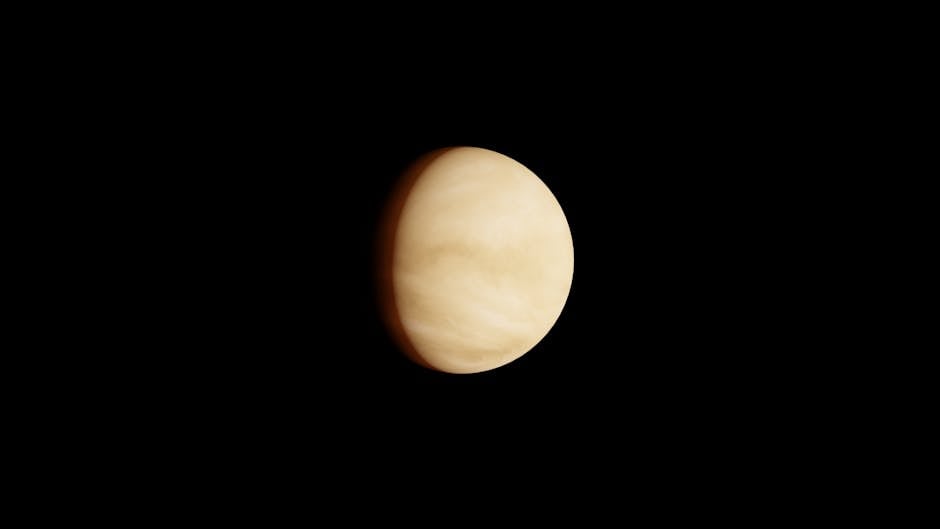
A team of planetary scientists has identified a mysterious substance within the clouds of Venus that absorbs an unexpectedly large amount of solar energy. This discovery, reported in late August 2026, has sparked significant interest among researchers studying the chemical composition of our neighboring planet. The finding suggests that the atmosphere of Venus may be more complex than previously understood by space agencies. Understanding these atmospheric processes is essential for building a complete picture of planetary evolution in our solar system. The research highlights the ongoing importance of planetary science in uncovering the secrets of worlds beyond Earth. Scientists have long known that Venus possesses a thick, toxic atmosphere that traps heat, creating a runaway greenhouse effect. However, the specific mechanism behind this massive absorption of sunlight has remained a subject of debate for decades. By analyzing data from various space missions, the team was able to isolate the signature of this unknown material. This substance appears to be highly efficient at capturing light, which contributes to the extreme temperatures found on the planet's surface. The discovery provides a new piece of the puzzle regarding how Venus maintains its intense heat. Researchers are now working to determine the exact chemical nature of the substance. Some theories suggest it could be composed of complex sulfur compounds or perhaps even exotic metallic particles suspended in the clouds. Further investigation will require specialized instruments capable of sampling the upper atmosphere directly. This effort is part of a broader push to understand the potential for habitability on other planets. While Venus is currently inhospitable, studying its atmosphere helps scientists understand how planets can change over billions of years. The scientific community is calling for future missions to prioritize the analysis of these cloud layers. Such missions could provide the definitive evidence needed to identify the mysterious absorber. As technology advances, our ability to probe the depths of alien atmospheres continues to improve. This breakthrough serves as a reminder of how much remains to be discovered within our own solar system. The findings have been shared with international space organizations to help plan upcoming exploration efforts. Collaboration between different research institutions will be key to solving this atmospheric mystery. By pooling resources and expertise, scientists hope to unlock the secrets of the Venusian clouds in the coming years. This work represents a significant step forward in our quest to understand the diverse environments of the planets orbiting our sun.
Ask the Author
Subscribers can ask the journalist a question about this story. Subscribe to ask.
Заметка о нейтральности
Auto-harvested from global news wires and presented neutrally by PENN.
to vote
Comments
No comments yet — be the first to share your thoughts.
Related stories in Science & Technology

MIT Researchers Successfully Transform Bacteria Into Living Transistors
2026-09-26
Technology Innovation Institute Leads Development of New Global Standard for Verifiable AI
2026-09-25