
Scientists Identify 64,000 Square Miles of Climate-Resilient Coral Reefs
New research reveals three times more resilient reef habitat than previously estimated, prompting plans for a global summit in 2026.
PENN Explainer
Hear this story explained in 90 seconds.
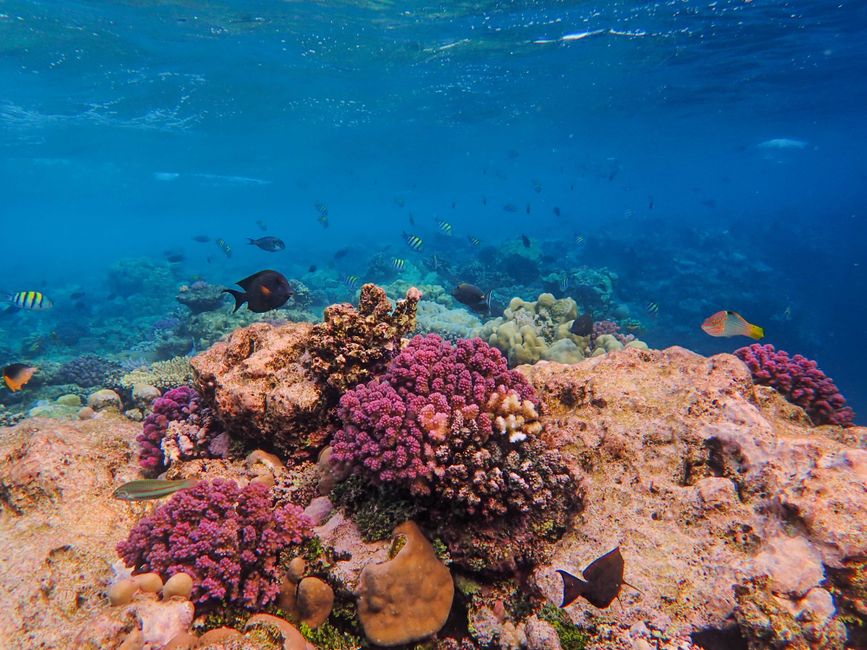
Scientists have identified a vast network of coral reefs that show a surprising ability to survive and recover from rising ocean temperatures. This new mapping project covers more than 64,000 square miles of resilient habitat across 71 countries and 100 territories. The findings offer a new sense of hope for marine conservationists who have long feared for the future of these vital ecosystems. This discovery suggests that the natural world may have more defenses against warming waters than previously understood.
The research was led by the Wildlife Conservation Society and Macquarie University. Scientists analyzed over 45,000 coral surveys alongside decades of climate and ocean data to find these climate-resilient spots. The study found that the amount of resilient reef is three times higher than previous estimates had suggested. This data provides a clearer picture of where conservation efforts should be focused to achieve the best results.
A large portion of these resilient reefs is concentrated in just a few nations. According to the report, 61% of these habitats are located within the Bahamas, Cuba, Australia, Indonesia, and the Philippines. These countries host some of the most extensive reef systems in the world and are now seen as critical strongholds for biodiversity. Protecting these specific areas could help ensure the survival of thousands of marine species.
This discovery was a major topic of discussion at the 16th International Coral Reef Symposium held in Auckland, New Zealand. More than 2,100 participants from 90 countries gathered to discuss the latest research and conservation practices. The event brought together scientists, policymakers, and community leaders to address the threats of hotter and more acidic seas. The conference highlighted the urgent need for coordinated global action to protect these newly identified habitats.
One of the recurring themes at the Auckland conference was the importance of empowering Indigenous communities. Experts discussed how to better integrate traditional knowledge systems into modern scientific conservation efforts. Many participants argued that local communities are the best stewards of the reefs they have lived alongside for generations. This approach seeks to combine ancient wisdom with modern technology to create more effective environmental protections.
In a related development, Saudi Arabia recently chaired the 39th International Coral Reef Initiative meeting. During this session, the group adopted five strategic recommendations to boost international cooperation and scientific research. The initiative also welcomed four new member countries: Somalia, Papua New Guinea, Vanuatu, and Trinidad and Tobago. This expansion shows a growing global commitment to addressing the crisis facing the world's oceans.
Saudi Arabia also announced that it will host the first-ever Global Coral Reef Summit. This landmark event is scheduled to take place during the World Economic Forum annual meeting in Davos in 2026. The summit aims to create a comprehensive global framework that combines science, policy, and sustainable financing. Leaders hope this meeting will result in actionable solutions that countries can implement immediately.
The World Bank and the United Nations Global Fund for Coral Reefs have also joined the initiative to provide more resources. These organizations are looking for ways to bridge the gap between international promises and actual work on the ground. Sustainable financing is seen as a key hurdle that must be cleared to save the world's reefs. Without proper funding, even the best scientific plans cannot be fully realized.
Despite the positive news about resilient reefs, the overall situation remains serious for many marine environments. Rising global temperatures, often fueled by weather patterns like El Niño, continue to cause widespread coral bleaching. When water gets too warm, corals expel the algae living in their tissues, which turns them white and leaves them vulnerable to disease. This process can lead to the death of entire reef systems if the water does not cool down quickly enough.
Conservationists like Tim McClanahan from the Wildlife Conservation Society emphasize that identifying these reefs is only the first step. The next phase involves creating specific protection plans for these resilient areas to ensure they are not damaged by local pollution or overfishing. By focusing on these strongholds, scientists hope to maintain a foundation for reefs to eventually repopulate other areas. This strategy is often referred to as creating a "natural insurance policy" for the ocean.
The combination of new scientific data and increased political will marks a significant moment for ocean health. While the challenges of climate change are immense, the discovery of these resilient habitats provides a roadmap for future action. International leaders are now looking toward the 2026 summit in Davos to turn these scientific findings into lasting global policy. The goal is to ensure that these underwater rainforests continue to thrive for generations to come.
Ask the Author
Subscribers can ask the journalist a question about this story. Subscribe to ask.
Заметка о нейтральности
Auto-harvested from global news wires and presented neutrally by PENN.
to vote
Comments
No comments yet — be the first to share your thoughts.


