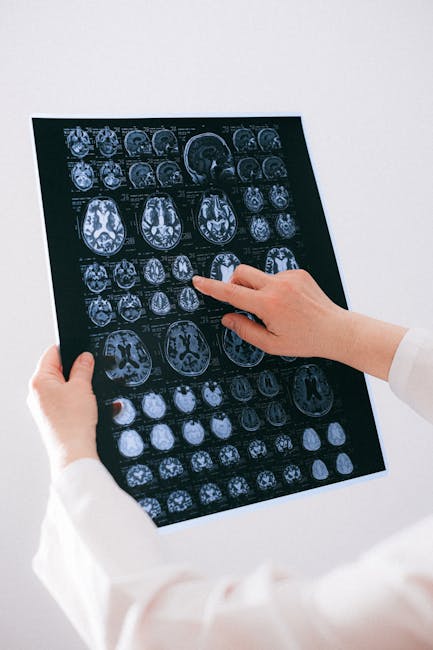
Researchers have recently pinpointed a specific brain network that appears to drive the therapeutic benefits of deep brain stimulation for patients with Parkinson's disease. This discovery marks a significant step forward in understanding how electrical stimulation can effectively manage the symptoms of this complex neurological condition. By identifying the exact pathways involved, scientists hope to refine treatment protocols for better patient outcomes. The study highlights a distinctive electrical rhythm that serves as a key marker for successful stimulation. This rhythm acts as a signal that the treatment is interacting correctly with the brain's motor circuits. Understanding this mechanism allows medical professionals to better tailor therapy to the individual needs of each patient. Deep brain stimulation has long been a standard treatment for those whose Parkinson's symptoms are not well-controlled by medication alone. However, the precise way it works has remained a subject of intense scientific investigation for years. This new research provides a clearer picture of the underlying biological processes at play. The findings were reported in recent scientific updates, emphasizing the importance of mapping brain activity to improve medical interventions. By focusing on these specific electrical patterns, doctors may be able to optimize the settings of stimulation devices more accurately. This could lead to more consistent relief from tremors and other motor difficulties associated with the disease. The research team utilized advanced imaging and monitoring techniques to observe these brain networks in real time. Their work underscores the value of combining clinical observation with high-resolution data analysis. Such breakthroughs are essential for advancing the field of neurology and enhancing the quality of life for millions of people worldwide. As scientists continue to explore these neural pathways, the potential for more personalized and effective treatments grows. This study serves as a reminder of how much remains to be discovered about the human brain and its response to targeted therapies. Future research will likely focus on how these findings can be applied to broader clinical settings to benefit a wider range of patients.
You've reached your free article limit
You've read 10 of 10 free articles this month. Subscribe to Planet Earth News Network for unlimited access to neutral, global journalism — plus puzzles, podcasts, and the weekly newsletter.
Already a subscriber? Sign in.