Scientists Identify Largest New Impact Crater on the Moon
A newly discovered lunar crater named after geologist Tom McGetchin spans over two football fields in width.
PENN Explainer
Hear this story explained in 90 seconds.
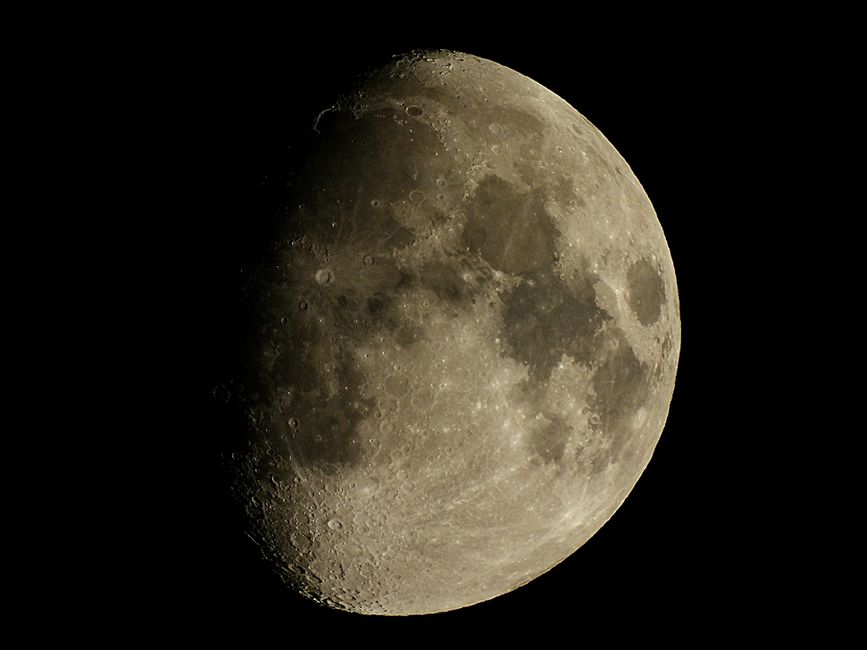
Astronomers have identified the largest new impact crater ever recorded on the surface of the Moon. The formation, which spans more than two football fields in width, was confirmed by researchers studying recent lunar surface data. This discovery provides fresh insight into the frequency and scale of celestial objects striking our natural satellite. The crater has been officially named after the late geologist and lunar surface expert Tom McGetchin.
His work was instrumental in understanding the geological history of the Moon and other planetary bodies. Scientists believe the size of this impact site suggests a significant collision event that occurred in the relatively recent past. Researchers are now analyzing the surrounding debris to determine the composition of the object that created the crater. By studying the impact site, experts hope to learn more about the types of asteroids and meteoroids that traverse our solar system.
This information is vital for assessing potential risks to Earth and for planning future lunar exploration missions. The discovery highlights the dynamic nature of the lunar environment, which remains constantly exposed to space debris. Unlike Earth, the Moon lacks a thick atmosphere to burn up incoming objects, leaving its surface scarred by countless impacts over billions of years. This specific crater offers a rare opportunity to study a fresh impact site before it is weathered by further cosmic activity.
Future missions, including those planned under the Artemis program, may eventually allow for direct sampling of the material found within and around the crater. Such samples could reveal details about the object's origin and the conditions of the early solar system. As humanity prepares for a sustained presence on the Moon, understanding these impact events becomes increasingly important for the safety of lunar habitats and equipment. The ongoing monitoring of the lunar surface continues to yield valuable data for both planetary science and future space exploration efforts.
Ask the Author
Subscribers can ask the journalist a question about this story. Subscribe to ask.
中立性说明
Auto-harvested from global news wires and presented neutrally by PENN.
to vote
Comments
No comments yet — be the first to share your thoughts.
Related stories in Science & Technology

European Space Firm Secures Record Funding for Orbital Infrastructure
2026-10-04
NASA’s Hubble Telescope Captures Rare Images of Chaotic Planet Nursery
2026-10-04