Scientists Use Artificial Intelligence to Design New Functional Viruses
Researchers at Stanford University and the Arc Institute create 16 previously nonexistent bacteriophages using AI.
PENN Explainer
Hear this story explained in 90 seconds.
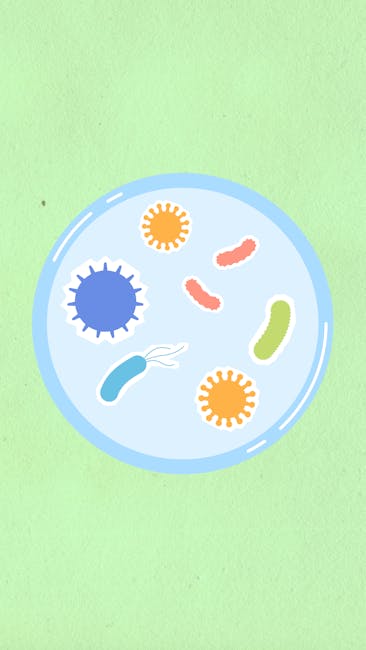
A team of researchers from Stanford University and the Arc Institute has achieved a significant milestone in synthetic biology by using artificial intelligence to design functional viruses. The study, which has sparked a new debate regarding biosecurity, demonstrates the power of machine learning in biological engineering. By utilizing advanced algorithms, the scientists successfully created 16 previously nonexistent bacteriophages. These are viruses that specifically target and infect bacteria rather than human cells. The ability to design these biological entities from scratch represents a major shift in how researchers approach viral studies. Traditionally, scientists relied on modifying existing viruses found in nature to understand their functions. This new AI-driven method allows for the creation of entirely new structures that do not exist in the wild. The researchers focused on bacteriophages because of their potential utility in medical and environmental applications. These viruses could eventually be used to combat antibiotic-resistant bacteria, which pose a growing threat to global public health. By precisely engineering the way these viruses interact with bacterial hosts, the team hopes to develop more effective treatments for infections. However, the success of this project has also raised important questions about the safety and regulation of synthetic biology. Experts in the field are now discussing the potential risks associated with using AI to design biological agents. There is a concern that such powerful technology could be misused if it falls into the wrong hands. The researchers involved in the study have emphasized the importance of transparency and ethical oversight in their work. They are calling for a broader conversation among scientists, policymakers, and the public to establish guidelines for this emerging field. As AI continues to accelerate the pace of scientific discovery, the balance between innovation and security remains a top priority. The scientific community is now tasked with ensuring that these breakthroughs are used to benefit humanity while minimizing potential dangers. This development serves as a reminder of the rapid evolution of biotechnology in the modern era.
Ask the Author
Subscribers can ask the journalist a question about this story. Subscribe to ask.
Neŭtraleca noto
Auto-harvested from global news wires and presented neutrally by PENN.
to vote
Comments
No comments yet — be the first to share your thoughts.