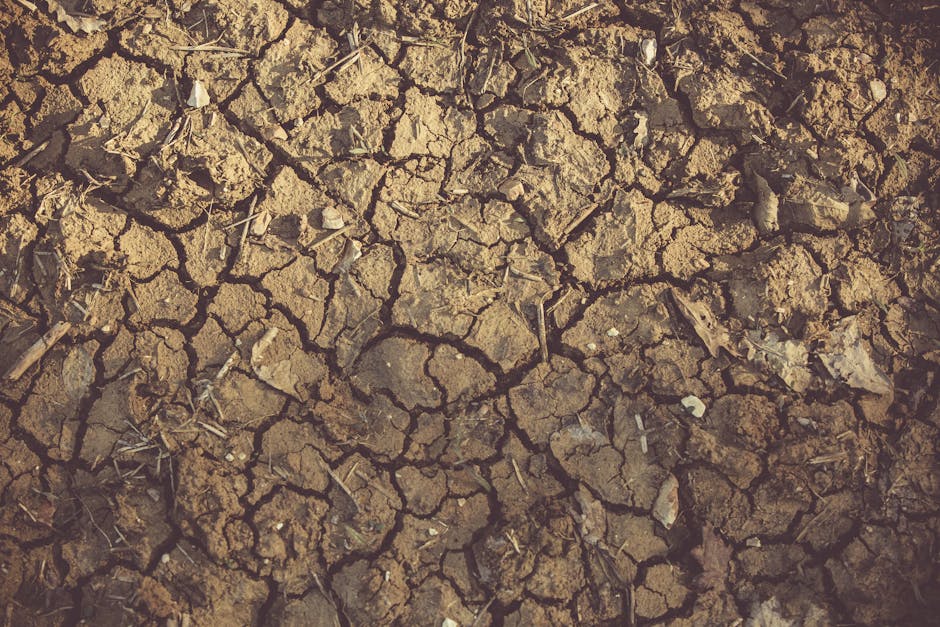
Severe Drought Conditions Impair Agricultural Production Across Southern Brazil
Persistent lack of rainfall disrupts harvests and impacts water security in major farming regions.
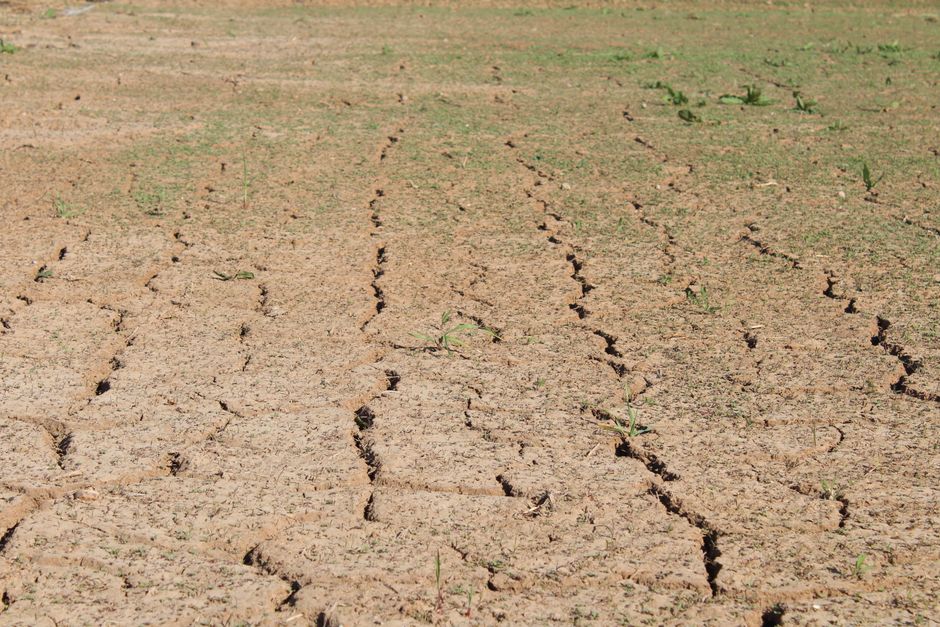
PENN Explainer
Hear this story explained in 90 seconds.
Severe drought conditions are currently affecting large portions of southern Brazil, leading to significant concerns for the regional agricultural sector. The lack of sufficient rainfall over the past several months has impacted vital crop cycles and water availability for local communities. Both state and federal agencies are monitoring the situation closely to assess the extent of the damage. The state of Rio Grande do Sul has been identified as one of the hardest-hit areas, with many farms reporting substantial losses in key commodity crops.
Corn and soybean producers are facing particularly difficult challenges as soil moisture levels remain well below the historical average for this time of year. These agricultural products represent a major component of the region’s economic output. "The current precipitation deficit is creating a very precarious situation for our producers," said Fabio Schuler, a regional agricultural coordinator in Rio Grande do Sul. He noted that many smaller farms lack the infrastructure necessary to mitigate such prolonged dry spells.
Producers are now looking for ways to preserve remaining water resources while managing reduced crop yields. Water management authorities have begun implementing measures to prioritize human consumption and livestock needs as reservoirs see declining levels. Local municipalities in the region have started to restrict non-essential water usage to ensure long-term stability. The government is also evaluating potential financial assistance programs for those most affected by the economic downturn.
Scientific analysis from the National Institute of Meteorology in Brazil suggests that atmospheric patterns have shifted, preventing moisture from reaching the southern plains. These shifts are often associated with larger, complex climate cycles that influence regional precipitation. Meteorologists continue to track these developments to provide more accurate long-term forecasts for farmers. In addition to crop losses, the dry weather has increased the risk of accidental brush fires throughout rural areas.
Firefighting crews have been placed on high alert to respond quickly to any blazes that may ignite in the parched landscape. Public safety officials have issued warnings to residents regarding the careful use of fire for land clearing or agricultural purposes. Transportation of goods has also seen minor disruptions as lower river levels affect some smaller waterways used for local distribution. While major export terminals remain operational, the logistical chain is feeling the impact of the persistent arid conditions.
Stakeholders are working to coordinate alternative transport routes to keep essential supplies moving across the state. Agricultural organizations are holding regular meetings to discuss adaptive strategies for the upcoming planting seasons. There is a growing interest in drought-resistant crop varieties and more efficient irrigation technologies among local farmers. These investments are seen as necessary steps to improve resilience against future climate variability.
International market analysts are observing the Brazilian situation, as the country is a leading global exporter of soybeans and corn. Any significant shortfall in production could influence global commodity prices in the coming months. Trading firms are currently adjusting their estimates based on the ongoing reports from the affected states. Looking ahead, the next few weeks are critical as the region enters a transition period in its seasonal cycle.
The arrival of expected rains could provide some relief to the agricultural sector, though the damage to some early-season crops is already considered permanent. Officials will continue to update the public as new data becomes available regarding the drought's progression.
Ask the Author
Subscribers can ask the journalist a question about this story. Subscribe to ask.
Neutrality note
Auto-harvested from global news wires and presented neutrally by PENN.
to vote
Comments
No comments yet — be the first to share your thoughts.
Related stories in Weather & Climate

Southwest China Faces Infrastructure Damage Following Intense Flash Flooding
2026-10-07
Heavy Rainfall Triggers School Closures Across St. Vincent and the Grenadines
2026-10-07