Businessen
Soaring Diesel and Crude Oil Prices Squeeze Global Supply Chains and Transportation Networks
Diesel topping $6 per gallon and triple-digit crude benchmark prices raise delivery fees and heighten inflation risks across international trade routes.
PENN Explainer
Hear this story explained in 90 seconds.
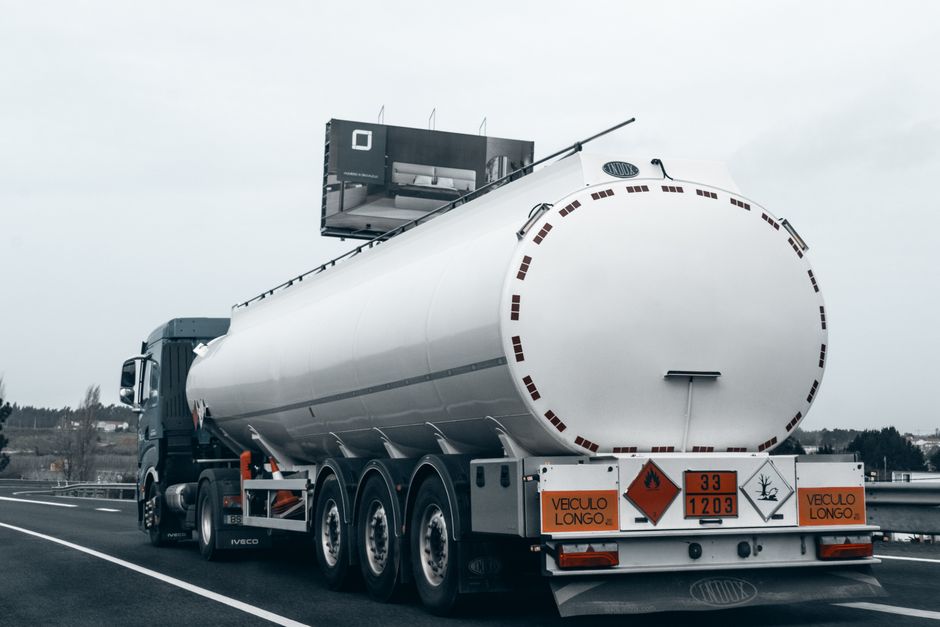
Surging energy prices are intensifying pressure on global transport networks and consumer markets as diesel costs climb above six dollars per gallon in the United States. International crude oil benchmarks have simultaneously climbed past one hundred dollars per barrel, driven by geopolitical friction and tightening petroleum product supply. The sudden spike in commercial transportation fuels is altering business operations for major logistics providers, independent truckers, and retail distributors.
Energy analysts attribute the rapid upward trajectory of fuel benchmarks to tightening supply fundamentals and international friction that has disrupted primary transit lanes and refinery outputs. Geopolitical tensions involving major energy-exporting corridors have stoked supply concerns across the Middle East and worldwide maritime hubs. The resulting rise in raw crude costs has swiftly translated into higher refinery gate prices for middle distillates, including commercial diesel and aviation jet fuel.
Because diesel serves as the primary fuel for commercial shipping vessels, rail locomotives, heavy farm machinery, and long-haul transport trucks, price increases quickly cascade across every level of commerce. Logistics operators and freight carriers are applying mandatory fuel surcharges to commercial deliveries to offset the sudden increase in operating overhead. As those costs mount, e-commerce retailers and regional wholesalers are passing secondary fees onto household consumers and small commercial buyers.
Agricultural producers are also feeling the direct impact of high distillate prices as harvest and distribution seasons approach. Heavy tractors and field combines require thousands of gallons of commercial off-road diesel to plant and gather crops, while distribution fleets require highway diesel to deliver raw farm goods to processing facilities. Industry analysts note that prolonged elevated fuel prices frequently result in higher supermarket food prices months later, compounding existing budget pressures on ordinary households.
Refining bottlenecks have compounded the global price escalation, leaving critical inventories of finished petroleum products below seasonal historical averages. According to economic analysis published by Deloitte Insights, international shortages of key refinery products have created persistent price imbalances, with jet fuel prices climbing 74 percent year-over-year while crude oil rose 30 percent over the same period. The scarcity of specialized refining capacity has also constrained supplies of petrochemical inputs like naphtha, which manufacturers rely upon to produce basic plastics and industrial coatings.
Central bank authorities in North America and Europe are monitoring the energy spike closely as they manage macroeconomic inflation targets. High energy inputs risk slowing recent progress toward stabilizing underlying consumer inflation rates, complicating upcoming interest rate policies. Policymakers are balancing concerns over slowing household purchasing power against the persistent risk that high transport expenses become embedded in finished product pricing.
In international commerce, rising shipping and overland transport expenses are prompting manufacturers to reconsider supply chain configurations. Business groups in developing economies, including members of the BRICS trade association, are shifting route planning and seeking bilateral energy settlements to cushion against currency fluctuations and petroleum market swings. Trade bodies emphasize that reliable access to reasonably priced freight fuel remains essential to sustaining global trade volumes.
Commercial fleet operators in the United States and Europe have begun adopting aggressive conservation measures to preserve profit margins under current fuel price strain. Fleet directors are standardizing lower highway travel speeds, implementing software-driven route optimization tools, and curtailing vehicle engine idling at transport terminals. While these efficiency measures reduce net gallon consumption, shipping companies report they can only partially absorb fuel spikes of this magnitude without raising freight rates.
Consumer advocacy groups point out that transport inflation disproportionately affects households with fixed or lower incomes, who spend a larger share of earnings on basic groceries and home essentials. With private sector wage growth moderating to 3.1 percent annually in several major economies, real purchasing power faces renewed erosion as transport surcharges lift retail shelf prices.
Market analysts expect fuel volatility to persist through the upcoming quarter as energy markets remain sensitive to refinery turnaround schedules and geopolitical developments. Investors and freight executives are closely tracking future petroleum shipments and stockpiles to determine whether the six-dollar diesel threshold will remain an enduring obstacle for worldwide commerce or recede with improved refining output.
You've reached your free article limit
You've read 10 of 10 free articles this month. Subscribe to Planet Earth News Network for unlimited access to neutral, global journalism — plus puzzles, podcasts, and the weekly newsletter.
Already a subscriber? Sign in.
Ask the Author
Subscribers can ask the journalist a question about this story. Subscribe to ask.
Neutrality note
Auto-harvested from global news wires and presented neutrally by PENN.
to vote
Comments
No comments yet — be the first to share your thoughts.