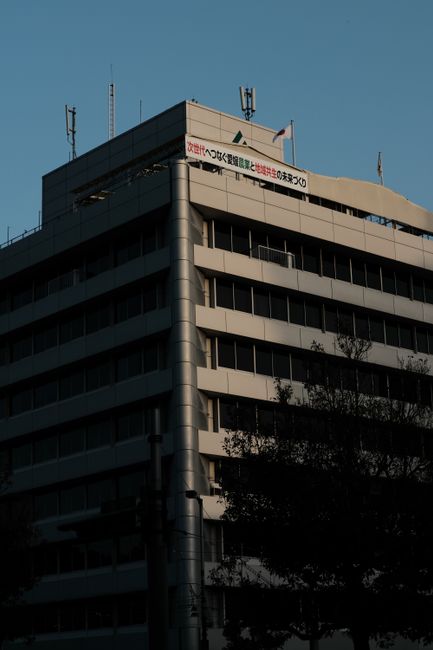
South Korea Implements New Legislation Targeting False Information
New law allows for significant punitive damages against media outlets and influencers for spreading manipulated content.

PENN Explainer
Hear this story explained in 90 seconds.
South Korea has officially begun enforcing a new law aimed at curbing the spread of false information across news outlets and social media platforms. The legislation allows courts to award punitive damages of up to five times the proven losses caused by the dissemination of illegal, false, or manipulated content. This measure applies to both traditional news organizations and large-scale social media channels, including prominent YouTube creators who generate profit from their content. The government states the law is intended to protect the public from harm caused by intentionally deceptive information. Under the new rules, individuals or organizations that distribute information more than twice after a court has officially confirmed it to be false or manipulated face severe financial penalties. These fines can reach up to 1 billion won, which is approximately $656,000, as determined by the country’s media regulator. The enforcement of this law marks a significant shift in how the nation manages digital and broadcast information. Journalist groups have expressed concerns regarding the potential impact of these regulations on public discourse. Critics argue that the threat of steep financial penalties could lead to self-censorship among reporters and media organizations. There is a fear that the law might be used to discourage investigative journalism or critical reporting on sensitive topics. The Seoul Foreign Correspondents’ Club has publicly voiced its apprehension about how these rules might affect the free flow of information. They suggest that the broad language of the law could inadvertently chill the work of legitimate media professionals. Supporters of the legislation maintain that it provides a necessary framework to hold those who profit from misinformation accountable. They argue that the rise of digital platforms requires updated tools to ensure that the public receives accurate and verified news. The debate highlights the ongoing tension between maintaining media integrity and protecting the fundamental right to freedom of the press. As the law takes effect, observers are closely watching how courts will interpret the definitions of false or manipulated information. The outcome of early cases will likely set a precedent for how the media landscape in South Korea evolves under this new regulatory environment. International organizations that monitor press freedom are also keeping a close eye on the situation to assess its long-term effects on democratic expression.
Ask the Author
Subscribers can ask the journalist a question about this story. Subscribe to ask.
Neutrality note
Auto-harvested from global news wires and presented neutrally by PENN.
to vote
Comments
No comments yet — be the first to share your thoughts.