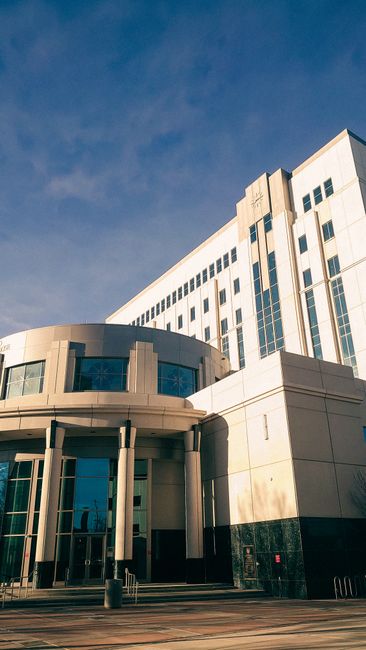
South Korea's Constitutional Court Strikes Down Election 'Blockade Clause'
The court ruled that requiring political parties to win 3% of the vote to receive proportional seats is unconstitutional.

PENN Explainer
Hear this story explained in 90 seconds.
South Korea's Constitutional Court has issued a significant ruling regarding the nation's electoral system. In a decision released on January 29, 2026, the court declared that a specific provision in the Public Official Election Act is unconstitutional. This provision had previously required political parties to secure at least 3% of the nationwide vote or win five constituency seats to be eligible for proportional representation in the National Assembly. The court's decision effectively removes this barrier, which critics often referred to as a 'blockade clause.' By striking down this requirement, the court has opened the door for smaller political parties to gain a foothold in the legislative process. The ruling is expected to have a lasting impact on the diversity of political representation within the South Korean government. Supporters of the change argue that the previous threshold unfairly favored larger, established parties and limited the influence of smaller, emerging political movements. The court's decision emphasizes the importance of ensuring that the electoral system remains fair and accessible to a broader range of voices. This move aligns with ongoing discussions about how to best represent the varied interests of the South Korean public. Legal experts suggest that this ruling will likely lead to a more competitive and pluralistic National Assembly in future elections. The court did not immediately provide a replacement mechanism, leaving it to the legislature to draft new rules that comply with the constitutional mandate for fair representation. Lawmakers are now tasked with revising the election laws to reflect the court's guidance while maintaining the integrity of the voting process. This development marks a notable shift in the legal landscape of South Korean politics, highlighting the role of the judiciary in protecting the democratic rights of smaller political entities. As the country prepares for future electoral cycles, the impact of this decision will be closely monitored by political analysts and citizens alike.
You've reached your free article limit
You've read 10 of 10 free articles this month. Subscribe to Planet Earth News Network for unlimited access to neutral, global journalism — plus puzzles, podcasts, and the weekly newsletter.
Already a subscriber? Sign in.
Ask the Author
Subscribers can ask the journalist a question about this story. Subscribe to ask.
Neutrality note
Auto-harvested from global news wires and presented neutrally by PENN.
to vote
Comments
No comments yet — be the first to share your thoughts.