
SpaceX Completes Second Classified Mission for U.S. Space Force in One Week
The aerospace company continues a rapid launch cadence, supporting national security objectives with back-to-back military satellite deployments.
PENN Explainer
Hear this story explained in 90 seconds.
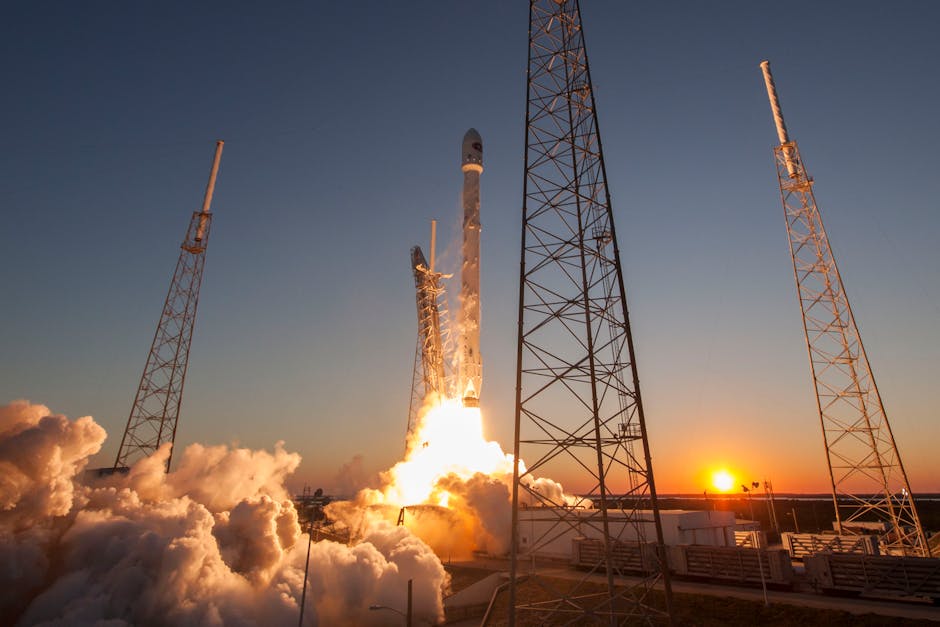
SpaceX successfully launched a classified mission for the United States Space Force on September 16, 2026, marking the company's second military-related flight in less than a week. The liftoff occurred at 9:07 p.m. ET, utilizing a Falcon 9 rocket to carry the payload into orbit. This mission, designated as USSF-259, highlights the increasing reliance of the U.S. military on commercial launch providers to maintain its space-based infrastructure. The rapid turnaround between these two classified launches underscores the operational efficiency that SpaceX has achieved with its reusable rocket fleet. Following the successful deployment of the satellites, the Falcon 9's first-stage booster returned to Earth, landing on a drone ship stationed in the ocean. This recovery process is a standard procedure for the company, allowing for the refurbishment and reuse of hardware to lower the overall cost of access to space. The mission represents the 110th flight for SpaceX in 2026, a year that has seen a high volume of activity across both commercial and government sectors. While the specific details of the USSF-259 payload remain classified, such missions are typically focused on enhancing data transport, communications, or surveillance capabilities for national security. The U.S. Space Force continues to prioritize the expansion of its orbital assets to monitor and respond to potential threats in the space domain. This strategy includes working with various industry partners to ensure that the military maintains a robust and resilient presence in Earth's orbit. The collaboration between the Space Force and private companies like SpaceX has become a cornerstone of modern space policy. By leveraging commercial innovation, the military can deploy new technology more quickly than traditional procurement cycles might allow. As the space environment becomes increasingly crowded, the ability to launch and replace satellites on short notice is viewed as a critical advantage. This latest mission is part of a broader effort to modernize the nation's space-based sensor and communication networks. Officials have noted that these systems are essential for detecting and tracking fast-moving threats that could impact global security. The success of the USSF-259 launch serves as a testament to the reliability of the Falcon 9 platform, which has become the primary workhorse for both civilian and military space operations. As SpaceX continues its busy schedule, the focus remains on maintaining safety and precision for every mission. The company has also utilized its Falcon Heavy and Starship rockets for other objectives throughout the year, demonstrating a diverse range of launch capabilities. Looking ahead, the partnership between the government and the private sector is expected to grow as more nations and organizations increase their activities in space. This ongoing development reflects the evolving nature of space exploration and the importance of maintaining a stable and secure orbital environment for all.
Ask the Author
Subscribers can ask the journalist a question about this story. Subscribe to ask.
Nota de neutralidade
Auto-harvested from global news wires and presented neutrally by PENN.
to vote
Comments
No comments yet — be the first to share your thoughts.
Related stories in Space & Astronomy

European Space Agency Prepares for Historic Arrival at Didymos Asteroid System
2026-09-25
Astronauts Complete Successful Spacewalk to Upgrade International Space Station Antenna
2026-09-25