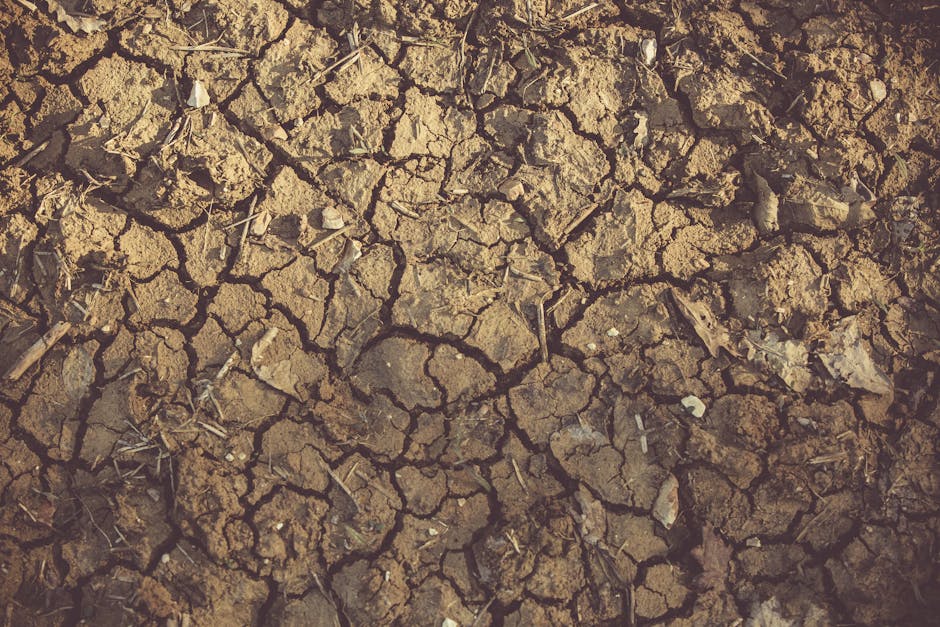
Spain Records Hottest Summer and Most Heatwave Days in History
The national meteorological agency confirms 2026 saw 61 days of extreme heat, surpassing all previous records since 1961.
PENN Explainer
Hear this story explained in 90 seconds.
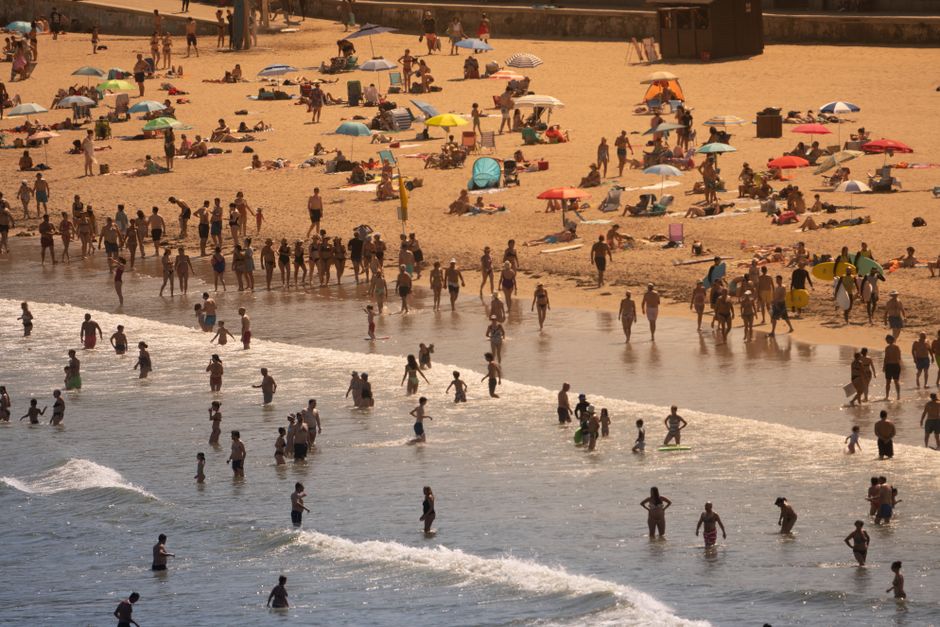
Spain experienced its hottest summer on record in 2026, according to data released by the State Meteorological Agency, known as AEMET. The country endured a total of 61 days of heatwave conditions throughout the season, which is an absolute record since the agency began keeping data in 1961. This figure significantly exceeds the previous high of 41 heatwave days recorded in 2022.
The average temperature for the summer months of June, July, and August reached 24.5 degrees Celsius. This measurement is 0.3 degrees Celsius higher than the previous record set in 2025 and sits 2.4 degrees Celsius above the long-term average for the period between 1991 and 2020. Meteorologists noted that these temperatures consistently exceeded typical seasonal limits across the mainland and the Balearic Islands.
Several prolonged heat episodes contributed to the record-breaking season. AEMET reported that two specific heatwaves in July and August lasted 23 and 24 days respectively, ranking them among the longest ever observed in the country. By the end of May, large areas of Spain were already experiencing temperatures that are usually only seen during the peak of July.
The extreme weather was driven by persistent atmospheric patterns that trapped hot air over Western Europe. This heat was further intensified by surges of dry air moving north from the Sahara Desert. Scientists have noted that these conditions were significantly exacerbated by human-induced climate change, which likely pushed temperatures several degrees higher than they would have been otherwise.
Public health officials monitored the situation closely as the heat placed significant strain on the population. The World Health Organization, led by Director-General Tedros Adhanom Ghebreyesus, warned that the heatwaves were putting the health of Europeans at risk. He urged leaders across the continent to invest in making health services more resilient to such extreme climate events.
The heat also impacted infrastructure and daily life across the country. Schools, offices, and factories faced challenges in maintaining safe working conditions, leading to early closures and shifts toward remote work. In some regions, the extreme heat caused power grid strain as demand for cooling surged during the hottest parts of the day.
Beyond the immediate temperature records, the summer was marked by a lack of rainfall that worsened existing drought conditions. These dry conditions created tinder-dry landscapes, which increased the risk and severity of wildfires throughout the Iberian Peninsula. The combination of heat and water scarcity has prompted calls for a more robust approach to climate resilience.
Government officials are now considering new policies to address these recurring climate challenges. There is growing support for making climate resilience a binding and funded policy at the European Union level. This would involve coordinated efforts to manage water resources and protect vulnerable communities from future heatwaves.
Local authorities in cities like Madrid have already begun implementing measures to mitigate the urban heat island effect. These initiatives include redesigning public spaces to increase shade and cooling, as seen in efforts to reduce city temperatures through green infrastructure. Such projects are viewed as essential steps in adapting to a changing climate.
As Spain looks toward the future, the focus remains on long-term adaptation strategies. The data from 2026 serves as a clear indicator of the shifting weather patterns affecting the region. Policymakers and scientists continue to analyze these trends to better prepare for the environmental realities of the coming years.
You've reached your free article limit
You've read 10 of 10 free articles this month. Subscribe to Planet Earth News Network for unlimited access to neutral, global journalism — plus puzzles, podcasts, and the weekly newsletter.
Already a subscriber? Sign in.
Ask the Author
Subscribers can ask the journalist a question about this story. Subscribe to ask.
Neutrality note
Auto-harvested from global news wires and presented neutrally by PENN.
to vote
Comments
No comments yet — be the first to share your thoughts.
Related stories in Weather & Climate
Widespread Drought Conditions Persist Across Europe as Water Supplies Tighten
2026-11-11
Catalonia Implements Strict Water Restrictions Amid Historic Winter Drought
2026-11-11