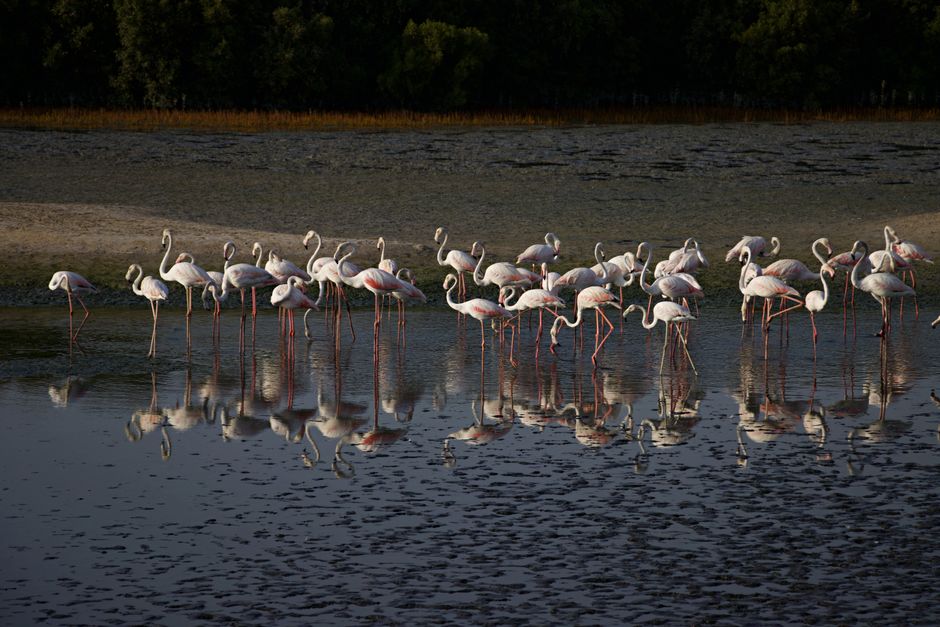
Sri Lanka Flamingo Deaths Highlight Risks of Power Infrastructure in Wetlands
Recent bird fatalities in Sri Lanka raise urgent questions about the impact of electrical grids on sensitive wetland ecosystems.
PENN Explainer
Hear this story explained in 90 seconds.
A series of recent flamingo deaths in Sri Lanka has drawn attention to the potential dangers that power infrastructure poses to migratory birds. Conservationists and local authorities are currently investigating the incidents, which occurred in wetland areas known to be critical habitats for these species. The deaths have sparked a broader conversation about how to balance the country's growing energy needs with the protection of vulnerable wildlife. Experts suggest that collisions with power lines are a significant, yet often overlooked, threat to avian populations in these regions. As wetlands continue to serve as vital stopovers for migratory birds, the need for safer infrastructure designs has become increasingly apparent. Researchers are now working to map high-risk zones where power lines intersect with major flight paths. By identifying these areas, officials hope to implement mitigation strategies that could prevent future fatalities. These strategies may include installing bird diverters or relocating power lines away from sensitive nesting and feeding grounds. The situation in Sri Lanka reflects a global challenge where expanding utility networks must coexist with fragile ecological zones. Local environmental groups are calling for closer collaboration between energy providers and wildlife agencies to ensure that development does not come at the cost of biodiversity. Public awareness regarding the issue has also grown, with many citizens urging for more sustainable planning in rural and coastal areas. The government has expressed a commitment to reviewing current safety standards for electrical installations near protected wetlands. While the investigation is ongoing, the incident serves as a reminder of the complex relationship between human infrastructure and the natural world. Future efforts will likely focus on long-term monitoring to track the effectiveness of any new safety measures implemented. Protecting these migratory species remains a priority for conservationists who emphasize that wetlands are essential for maintaining regional ecological health.
Ask the Author
Subscribers can ask the journalist a question about this story. Subscribe to ask.
Neutrality note
Auto-harvested from global news wires and presented neutrally by PENN.
to vote
Comments
No comments yet — be the first to share your thoughts.