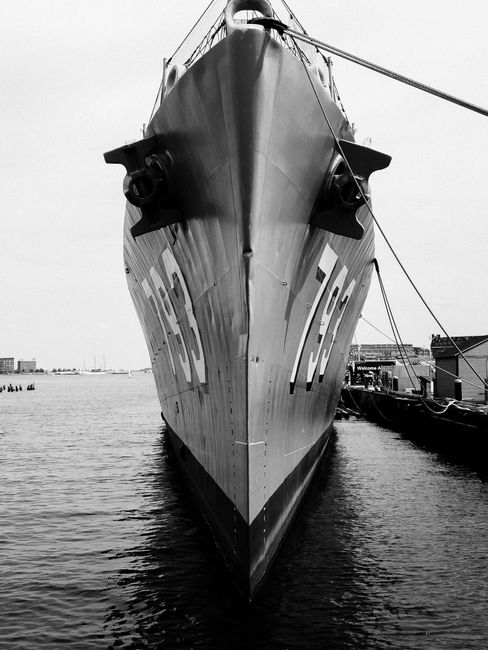
Tensions Rise in Strait of Hormuz as Diplomatic Efforts Intensify
International mediators work to de-escalate maritime standoff as Iran awaits response from the United States.
PENN Explainer
Hear this story explained in 90 seconds.
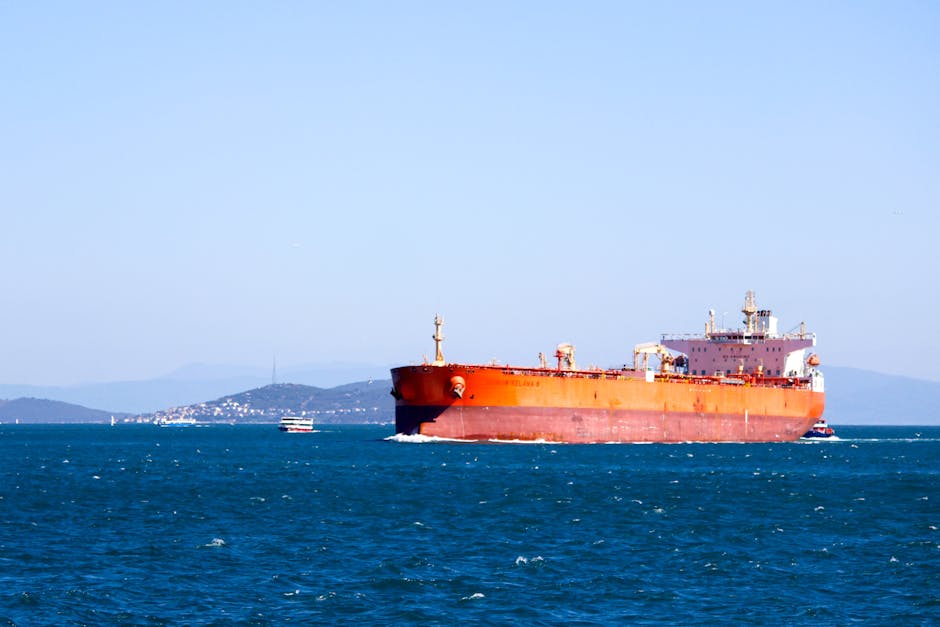
Diplomatic efforts to reopen the critical Strait of Hormuz are intensifying this week as regional stakeholders seek to resolve a growing maritime standoff. The waterway, which serves as a vital artery for global oil shipments, has become the center of a tense geopolitical situation. International observers are closely monitoring the area as trade routes face potential disruption. The situation remains fluid as various nations call for restraint and open communication channels to prevent further escalation. Qatari mediators are currently facilitating discussions between the involved parties to find a peaceful resolution. These intermediaries are working to bridge the gap between Tehran and Washington, D.C. as both sides navigate the complexities of the current impasse. The focus remains on ensuring the safe passage of commercial vessels through the narrow passage. President Donald Trump has publicly addressed the situation, clarifying his administration's stance on potential negotiations. He has denied reports suggesting that the United States is offering sanctions relief to Iran in exchange for a truce. This statement has set clear boundaries for the ongoing diplomatic dialogue. The rejection of a truce proposal has added a layer of complexity to the mediation process. Regional powers and global markets are reacting to the uncertainty surrounding the strait's future. Energy prices have shown volatility as traders assess the risk of prolonged closure or restricted access. Many countries rely on the consistent flow of energy resources through this specific maritime corridor. The international community continues to emphasize the importance of freedom of navigation under international law. Organizations and world leaders are urging all parties to prioritize stability and avoid actions that could lead to a wider conflict. The coming days are expected to be critical as mediators continue their efforts to establish a framework for de-escalation. All eyes remain on the diplomatic exchanges occurring behind closed doors in the Middle East.
Ask the Author
Subscribers can ask the journalist a question about this story. Subscribe to ask.
Nota di neutralità
Auto-harvested from global news wires and presented neutrally by PENN.
to vote
Comments
No comments yet — be the first to share your thoughts.