Tensions Rise in Strait of Hormuz Following Expired Diplomatic Deadline
A vessel was struck by a projectile in the Strait of Hormuz as Iran warns of potential military action following the expiration of a U.S.-Iran peace deal deadline.
PENN Explainer
Hear this story explained in 90 seconds.
Global diplomatic efforts faced a significant setback this week as a 60-day deadline for a comprehensive peace agreement between the United States and Iran expired without a deal. Following the expiration, the United States ruled out extending a temporary ceasefire that had been in place. This development has led to heightened concerns regarding stability in the Middle East and the security of critical maritime trade routes. The situation remains fluid as international observers monitor the potential for further escalation in the region.
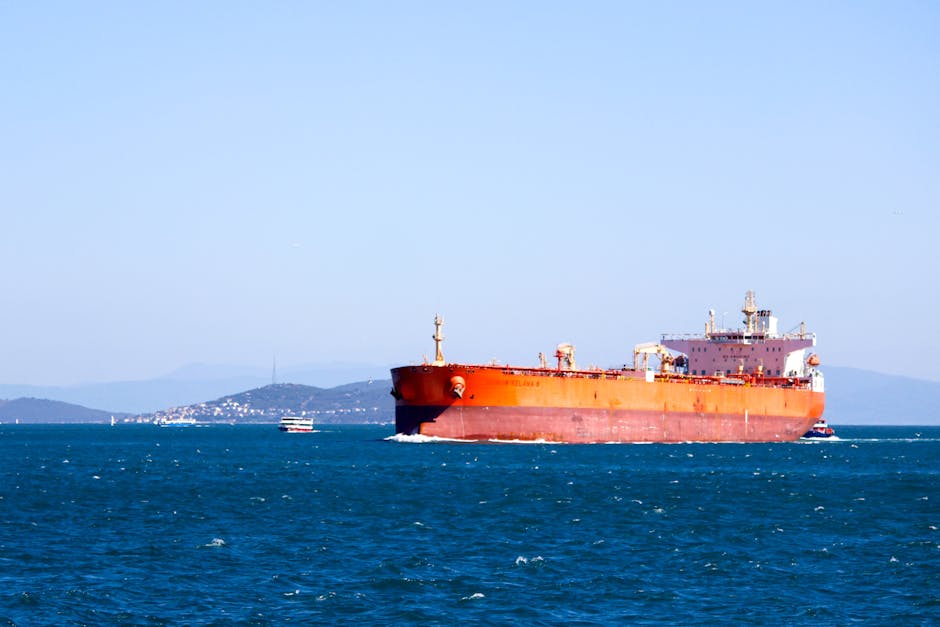
On August 18, 2026, a vessel transiting the Strait of Hormuz was struck by an unknown projectile, according to reports from the United Kingdom Maritime Trade Operations (UKMTO). The impact caused damage to the ship's engine room and resulted in an injury to a crew member. This incident has drawn immediate attention from global shipping authorities and regional powers who rely on the strait for the transport of energy supplies. Investigations into the origin of the projectile are currently underway.
In response to the diplomatic impasse, a senior Iranian official issued a warning that Tehran could take timely and precise military action to challenge what it described as a U.S. naval blockade. The official emphasized that Iran is prepared to defend its interests if necessary. These statements reflect the deepening divide between the two nations as they navigate the collapse of recent negotiations. The rhetoric has contributed to increased uncertainty in global energy markets.
United States officials have maintained a firm stance regarding the negotiations. President Donald Trump recently stated that while he prefers to reach an agreement and avoid conflict, the U.S. remains prepared to launch an attack if deemed necessary. He noted that talks had been ongoing but acknowledged that they could ultimately succeed or fail. The administration continues to emphasize its commitment to protecting international shipping lanes.
Regional neighbors and international organizations are closely watching these developments, fearing that a breakdown in diplomacy could lead to a wider conflict. The Strait of Hormuz is a vital chokepoint for global oil shipments, and any disruption there carries significant economic implications for the world at large. Diplomatic channels remain open, though the current atmosphere is described by analysts as increasingly tense.
Other nations have expressed concern over the potential for a broader confrontation. The Pakistani Foreign Ministry stated that it remains engaged with various countries to address the crisis and is working toward a sustainable solution for the region. These diplomatic efforts are part of a wider attempt to prevent the situation from spiraling into a larger military engagement. The international community continues to call for restraint from all parties involved.
This latest incident follows a period of intense geopolitical maneuvering in the Middle East. The collapse of the peace deal deadline marks a turning point in the ongoing standoff between Washington and Tehran. As both sides assess their next moves, the risk of miscalculation remains a primary concern for global security experts. The situation serves as a reminder of the fragility of peace in regions where economic and strategic interests frequently collide.
Market analysts are also tracking the impact of these tensions on global trade. The uncertainty surrounding the Strait of Hormuz has led to fluctuations in energy prices, reflecting the market's sensitivity to potential supply chain disruptions. Businesses and governments are preparing for various scenarios, including the possibility of prolonged instability. The focus remains on whether a new framework for dialogue can be established to replace the expired agreement.
Humanitarian organizations have also voiced alarm over the potential for conflict to affect civilian populations. The United Nations has consistently urged all parties to prioritize the protection of civilians and to seek peaceful resolutions to their disputes. The current escalation is seen as a test of international diplomatic mechanisms designed to manage such crises. Observers are waiting to see if third-party mediators can help bridge the gap between the two sides.
As the situation develops, the international community is looking for signs of de-escalation. The coming days will be critical in determining whether the current tensions will lead to further military incidents or if a new round of diplomacy can be initiated. For now, the world remains on high alert as the situation in the Strait of Hormuz continues to unfold. The stability of the region remains a top priority for global leaders and international institutions alike.
Ask the Author
Subscribers can ask the journalist a question about this story. Subscribe to ask.
Заметка о нейтральности
Auto-harvested from global news wires and presented neutrally by PENN.
to vote
Comments
No comments yet — be the first to share your thoughts.