Tesla Unveils Autonomous Cybercab and Robovan at California Event
CEO Elon Musk details plans for self-driving taxis and humanoid robots at a high-profile movie studio presentation.

PENN Explainer
Hear this story explained in 90 seconds.
Tesla CEO Elon Musk introduced a new fleet of autonomous vehicles at a high-profile event called "We, Robot." The presentation took place at the Warner Bros. Discovery movie studio in Burbank, California. Musk arrived at the stage in a sleek, silver vehicle known as the Cybercab. This event was meant to show the public how Tesla plans to change the future of transportation.
The Cybercab is a small, two-seat car designed specifically for self-driving. It does not have a steering wheel, pedals, or even a rear window. The doors open upward like the wings of a butterfly, giving it a futuristic appearance. Tesla intends for these cars to operate entirely on their own using artificial intelligence and cameras.
During the presentation, Elon Musk shared some specific goals for the Cybercab's cost and production. He stated that the vehicle would likely be priced at under $30,000. Musk also predicted that production of the Cybercab would begin before the year 2027. However, he admitted that he tends to be optimistic about his timelines for new products.
One unique feature of the Cybercab is how it receives power. Instead of using a traditional charging cable that needs to be plugged in, the car uses inductive charging. This means it can refill its battery simply by parking over a special charging pad on the ground. This technology is designed to make the robotaxi service run smoothly without human help.
In addition to the two-seater car, Tesla unveiled a much larger vehicle called the Robovan. This vehicle is designed to carry up to 20 people or be used for transporting large amounts of goods. It features a very distinct, rounded look with no visible wheels or windshield. Musk explained that the Robovan is intended for high-density travel, like moving a sports team or large groups of commuters.
Safety was a major theme during the "We, Robot" event. Elon Musk claimed that autonomous vehicles will eventually be 10 to 20 times safer than cars driven by humans. He argued that computers do not get tired or distracted like people do. Tesla believes its vision-based artificial intelligence is the best way to achieve this high level of safety.
Tesla also shared its plans for existing models like the Model 3 and Model Y. The company expects to launch "unsupervised" Full Self-Driving software in California and Texas by next year. Currently, Tesla drivers must stay alert and keep their hands ready to take over at any time. This new update would allow the cars to drive themselves without a human monitor in certain areas.
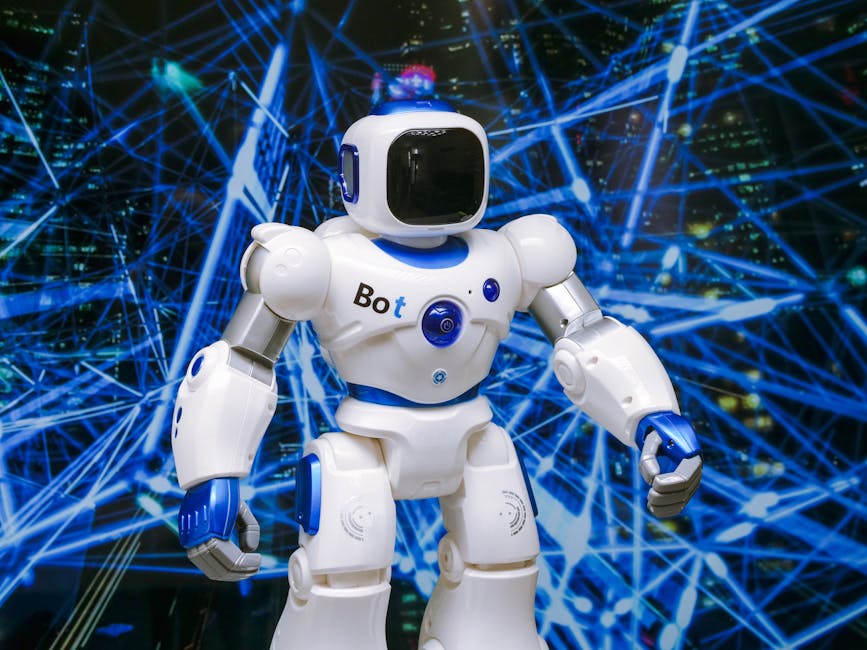
The event also featured Tesla’s humanoid robots, known as Optimus. Dozens of these robots walked through the crowd and interacted with the guests. They served drinks, played simple games, and even performed a synchronized dance routine. Musk said these robots could one day perform chores around the house and cost between $20,000 and $30,000.
Investors and analysts have had mixed reactions to the announcements. Some people are excited about the vision of a world with cheap, safe autonomous travel. Others are concerned about the technical and legal challenges that still remain. Regulators in many countries have strict rules about vehicles that do not have steering wheels or pedals.
The transition to autonomous vehicles could have a major impact on how cities are built. Musk suggested that parking lots could be turned into green spaces if cars are always on the move. He described a future where people have more free time because they no longer have to drive themselves. This vision depends on the technology working perfectly in complex city environments.
While the presentation was full of futuristic ideas, many questions about the business model remain. Tesla did not explain exactly how its ride-sharing app would work for owners of these cars. It is also unclear how the company will handle insurance and liability if a self-driving car is involved in an accident. These details will be important as the technology moves toward real-world use.
Ask the Author
Subscribers can ask the journalist a question about this story. Subscribe to ask.
中立性の注記
Auto-harvested from global news wires and presented neutrally by PENN.
to vote
Comments
No comments yet — be the first to share your thoughts.
Author
Planet Earth News Science & Technology DeskCovering scientific discovery and technological innovation — from astronomy, biology, chemistry, physics, and earth sciences to artificial intelligence, cybersecurity, consumer electronics, and digital infrastructure — with clear, accurate, neutral reporting on peer-reviewed findings, companies, products, and policy debates, and their implications for humanity.
View all articles by Desk →