Travelen
Thailand Adjusts Visa-Free Entry Rules to Standardize Tourist Stays at 30 Days
Authorities recalibrate entry allowances for travelers from 60 countries to better monitor visitor traffic and manage long-term tourism flows.
PENN Explainer
Hear this story explained in 90 seconds.
Thailand has adjusted its visa exemption policy for international travelers, reducing the permitted visa-free stay from 60 days to 30 days for passport holders from 60 eligible nations. The move recalibrates entry frameworks that were previously expanded to stimulate rapid post-pandemic travel growth. Immigration officials and tourism planners introduced the revision to ensure balanced visitor circulation across the country's transportation networks and popular destinations.
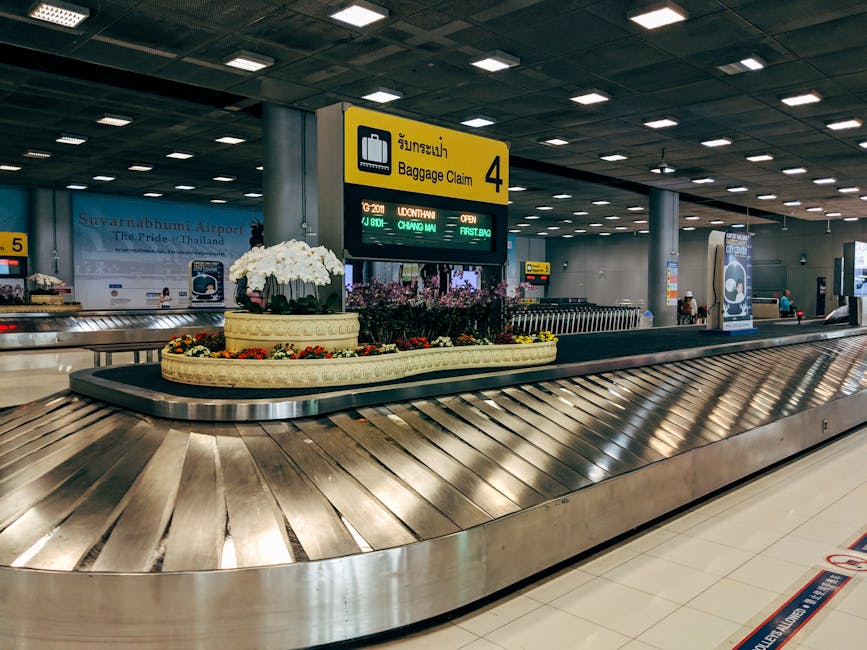
The updated policy affects incoming travelers entering through international airports such as Suvarnabhumi Airport and Don Mueang International Airport in Bangkok, as well as land border crossings. Travelers arriving under the standard visa exemption scheme will receive an entry stamp permitting a stay of up to 30 days upon arrival. Those seeking longer visits will need to apply for extensions through local immigration offices or obtain specialized long-stay visas prior to departure.
Tourism authorities indicated that the initial temporary expansion to 60-day exemptions served its purpose in accelerating inbound arrivals during earlier promotional campaigns. However, border management agencies sought to align visa rules with typical holiday duration patterns, as the vast majority of vacationers visit for under four weeks. The recalibration helps border security officials monitor cross-border movement more effectively and prevents the misuse of short-term tourist exemptions for undeclared employment.
Under the revised guidelines, eligible visitors maintain the ability to seek a single 30-day extension at immigration bureau offices inside Thailand, subject to administrative fees and standard verification. This mechanism provides flexibility for tourists wishing to extend their travels across northern cultural centers such as Chiang Mai or southern coastal hubs like Phuket and Krabi. Travel agencies and airlines have updated their ticketing guidance to remind passengers of the new entry parameters.
Regional hospitality associations in Thailand have noted that the 30-day timeframe remains competitive with neighboring Southeast Asian nations. Countries throughout the Association of Southeast Asian Nations (ASEAN) commonly grant visa-free entry durations ranging from 14 to 30 days. Tourism operators emphasize that regular leisure travelers, package tour groups, and business visitors are unlikely to experience disruptions to standard travel itineraries.
Consular networks across Europe, North America, and parts of Asia have begun issuing notices to inform travelers about the updated terms before they book flights. Airlines operating international routes to Bangkok, Chiang Mai, and Phuket are required to verify return or onward travel tickets within the 30-day window during airport check-in procedures. Passengers without onward bookings or relevant long-stay visas may be required to adjust travel plans prior to boarding.
Officials from the Tourism Authority of Thailand underscored that the country remains open and eager to welcome foreign guests throughout the upcoming high season. Infrastructure investments continue across key regional airports and rail links, designed to distribute visitors beyond primary metropolitan centers into emerging cultural destinations. Sustainable tourism initiatives are also being paired with the updated immigration framework to balance economic development with local community preservation.
Immigration personnel stationed at international border checkpoints have been briefed on the standardized stamping rules to prevent processing delays at arrival terminals. Travelers planning trips longer than a month are encouraged to evaluate alternative visa pathways, including the Destination Thailand Visa and specialized multi-entry tourist visas. These dedicated permits provide legal avenues for extended stays, digital remote work, and participation in cultural exchanges.
Government representatives reiterated that immigration rules are reviewed regularly to match global travel patterns and domestic economic priorities. The decision reflects an ongoing effort to maintain safe, predictable, and transparent border management while fostering international travel. Global airlines and global distribution systems have integrated the revised entry allowances into automated passenger processing databases worldwide.
Travel analysts expect overall arrival numbers to remain steady, citing strong international demand for Southeast Asian travel routes and cultural heritage destinations. By formalizing clear entry thresholds, Thailand aims to maintain high border efficiency, enhance visitor tracking, and provide clear travel expectations for millions of international arrivals each year.
Ask the Author
Subscribers can ask the journalist a question about this story. Subscribe to ask.
Nota de neutralidade
Auto-harvested from global news wires and presented neutrally by PENN.
to vote
Comments
No comments yet — be the first to share your thoughts.