
Thailand Issues New Judicial Guidance to Curb Bad Faith Lawsuits
The Supreme Court of Thailand has released new recommendations to address the misuse of legal processes against public interest advocates.
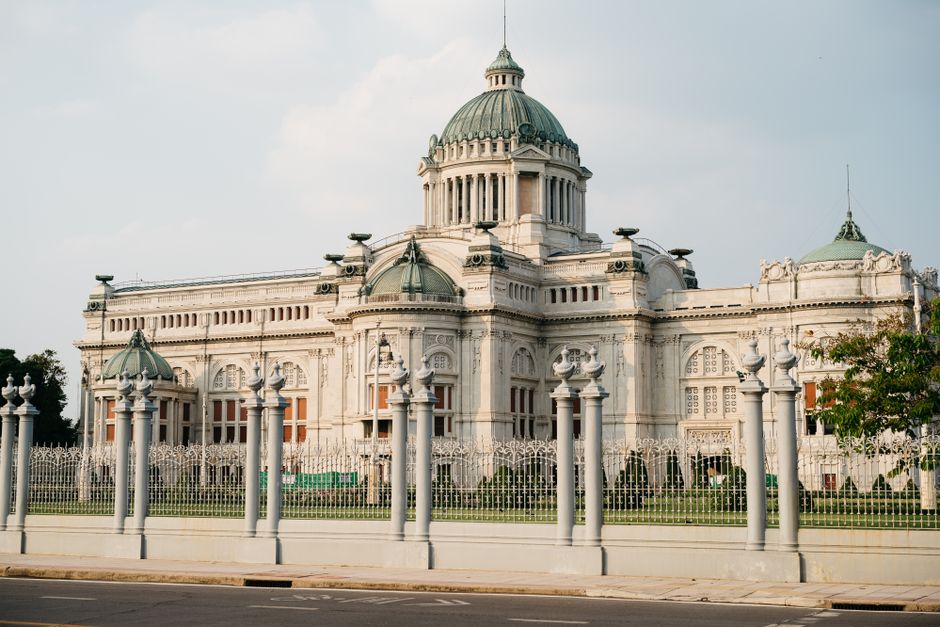
PENN Explainer
Hear this story explained in 90 seconds.
The Supreme Court of Thailand has taken a significant step toward addressing the misuse of the judicial system by issuing new guidance on cases filed in bad faith. These recommendations, published in the Government Gazette on May 29, 2026, aim to clarify how courts should handle lawsuits that may be intended to silence critics. This move is seen as a response to the long-standing concerns regarding the use of legal action to intimidate individuals who speak out on public issues. The guidance specifically addresses the application of Section 161/1 of the Code of Criminal Procedure. This section has historically been a point of contention for legal experts and human rights advocates. Many have argued that the provision was often used as a tool for strategic lawsuits against public participation, commonly known as SLAPPs. By providing clearer standards, the court hopes to reduce the frequency of these types of cases. The International Commission of Jurists, a global human rights organization, has welcomed the publication of these recommendations. They noted that the guidance provides much-needed clarity for judges who must decide whether a case is brought in good faith or as a form of harassment. However, the organization also pointed out that there are still significant gaps in the current legal framework. While the new guidance is a positive development, it does not fully resolve all the challenges faced by those who are targeted by such lawsuits. The issue of judicial abuse remains a complex topic in the Thai legal system. Advocates for reform suggest that further legislative changes may be necessary to provide comprehensive protection for civic engagement. The government has previously taken steps to protect individuals who provide information to anti-corruption bodies, but these protections are currently limited in scope. The new judicial recommendations represent a broader effort to ensure that the court system is not used to suppress freedom of expression. Legal observers will be watching closely to see how these guidelines are applied in practice by lower courts across the country. The effectiveness of this policy will likely depend on the consistency with which judges interpret and enforce these new standards. Ultimately, the goal is to strike a balance between the right to seek legal redress and the protection of public participation in democratic discourse.
Ask the Author
Subscribers can ask the journalist a question about this story. Subscribe to ask.
中立性说明
Auto-harvested from global news wires and presented neutrally by PENN.
to vote
Comments
No comments yet — be the first to share your thoughts.
Related stories in Legal & Justice
United Nations Experts Raise Alarm Over Peru's Constitutional Court Ruling on Crimes Against Humanity
2026-09-25
South Africa Constitutional Court Reviews Asylum Seeker Rights in Landmark Case
2026-09-25