UN Recognizes Major Ecosystem Restoration Projects in Brazil, the Sahel, and Saudi Arabia
Global initiative honors efforts to combat land degradation and improve food security through sustainable landscape management.

PENN Explainer
Hear this story explained in 90 seconds.
The United Nations recently awarded three major environmental projects the status of Restoration Flagships during the UNCCD COP17 conference. These initiatives, located in Brazil’s Cerrado region, the Sahel, and Saudi Arabia, were recognized for their significant contributions to restoring degraded ecosystems. The awards highlight the growing global focus on land health as a foundation for long-term food security and climate resilience. By revitalizing damaged landscapes, these projects aim to support local communities and stabilize agricultural productivity in vulnerable areas.
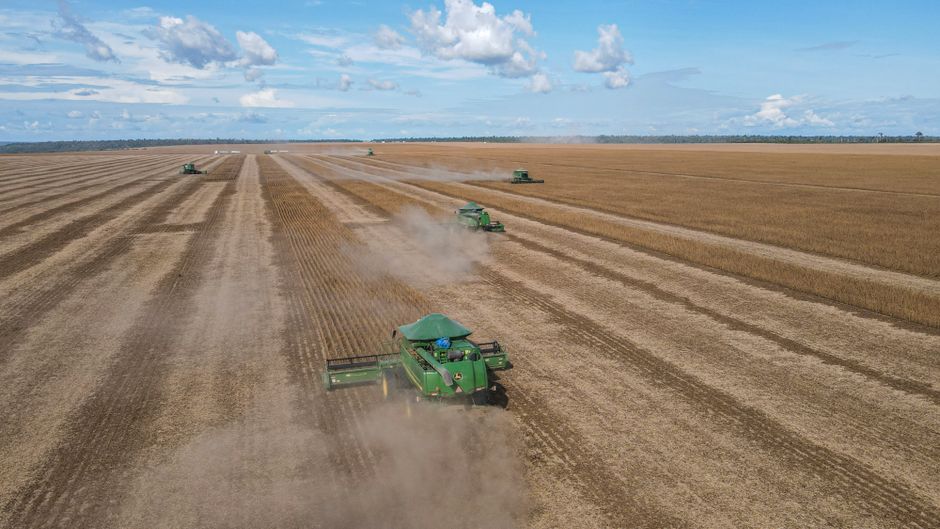
The project in Brazil’s Cerrado focuses on protecting one of the world’s most biodiverse savannas, which serves as a critical agricultural frontier. Efforts here involve balancing large-scale farming needs with the preservation of native vegetation that regulates water cycles. Scientists emphasize that maintaining this balance is essential to preventing further soil erosion and protecting the region's water sources. Local farmers are increasingly adopting sustainable management practices to ensure the land remains productive for future generations.
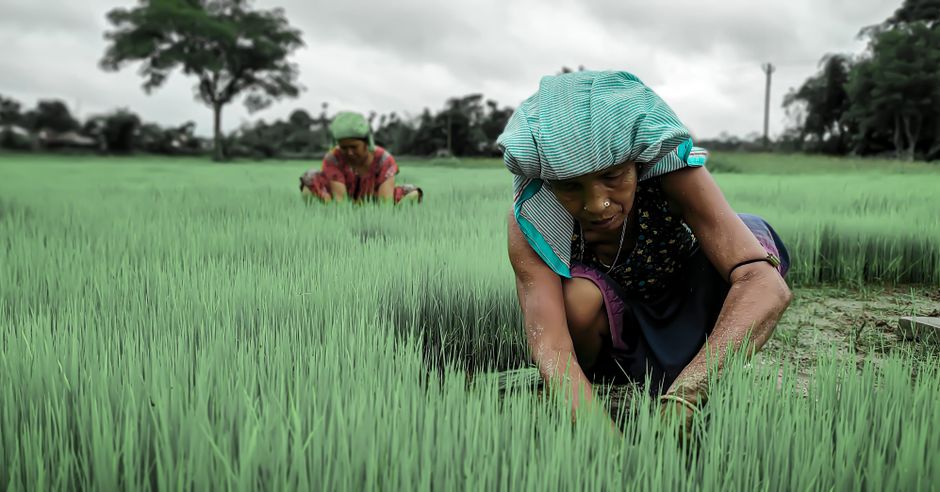
In the Sahel, the restoration initiative addresses the challenges of desertification and land degradation that threaten the livelihoods of millions. This region has faced persistent drought and soil depletion, which have historically hindered agricultural development and food stability. The project promotes the use of traditional knowledge combined with modern techniques to re-green the landscape and improve soil fertility. These efforts are designed to create a more stable environment for pastoralists and smallholder farmers who rely on the land for their daily survival.
Saudi Arabia’s recognized project highlights the potential for large-scale restoration in arid environments. By implementing innovative water management and reforestation strategies, the initiative seeks to expand vegetation cover and mitigate the effects of extreme heat. These efforts are part of a broader strategy to enhance environmental sustainability while addressing the unique challenges of desert ecosystems. The success of these techniques provides a model for other nations facing similar climatic pressures.
Experts at the conference noted that while these projects show promise, the global adoption of sustainable soil management remains too slow. The Food and Agriculture Organization of the United Nations warned that soil erosion continues to be a severe threat to global food systems. Without faster implementation of proven restoration solutions, the ability to feed a growing population may be compromised. The recognition of these flagships serves as a call to action for governments and private stakeholders to increase their investment in land health.
Director-General of the Food and Agriculture Organization Qu Dongyu emphasized the role of science and technology in bridging the gaps that currently hinder progress. He stated that innovation is necessary to tackle persistent hunger and rural inequalities that often accompany land degradation. By integrating digital tools and scientific research, agricultural systems can become more efficient and better equipped to handle environmental shocks. This approach is seen as a vital step toward achieving global food security goals.
Beyond the immediate environmental benefits, these restoration efforts are expected to have positive economic consequences for local populations. Improved land quality often leads to higher crop yields and more reliable income streams for rural families. By reducing the reliance on external inputs and restoring natural fertility, farmers can lower their production costs over time. These economic improvements are essential for building the resilience of communities against future climate-related disruptions.
International cooperation remains a central theme in the success of these restoration flagships. The collaboration between the United Nations, national governments, and local organizations demonstrates the importance of a unified approach to environmental management. Sharing knowledge and resources across borders allows for the scaling of effective solutions that might otherwise remain localized. This collective effort is viewed as a necessary component of any strategy to address the global climate crisis.
As these projects move into their next phases, monitoring and evaluation will be critical to ensuring their long-term success. The United Nations plans to continue tracking the progress of these flagships to provide data that can inform future restoration policies. This transparency is intended to build trust among stakeholders and encourage further participation in similar initiatives worldwide. The goal is to create a network of restored landscapes that can support both human needs and biodiversity.
Looking ahead, the focus will likely shift toward scaling these models to other regions facing similar environmental challenges. The lessons learned from the Cerrado, the Sahel, and Saudi Arabia provide a roadmap for addressing the complex interplay between land use and food security. While the path forward involves significant technical and financial hurdles, the progress made by these projects offers a clear example of what can be achieved through coordinated action. The international community remains committed to supporting these efforts as part of a broader agenda for sustainable development.
Ask the Author
Subscribers can ask the journalist a question about this story. Subscribe to ask.
Nota de neutralidade
Auto-harvested from global news wires and presented neutrally by PENN.
to vote
Comments
No comments yet — be the first to share your thoughts.
Related stories in Agriculture & Food Security
Brazil Adjusts Agricultural Outlook Amid Shifting Climate Patterns
2026-10-03
Brazilian Farmers Face Planting Delays as Dry Weather Persists
2026-10-03