Travelen
UN Urges Tanzania to Halt Maasai Evictions Linked to Tourism Expansion
The United Nations calls for an immediate stop to the removal of indigenous families from lands near the Serengeti National Park.
PENN Explainer
Hear this story explained in 90 seconds.
The United Nations has officially called on the government of Tanzania to immediately stop the eviction of Maasai families from their ancestral lands. The UN Committee on the Elimination of Racial Discrimination issued this urgent request following reports of forced removals. These evictions are reportedly being carried out to make room for new tourism developments and conservation projects. The committee expressed deep concern over the impact these actions have on the lives of indigenous people.
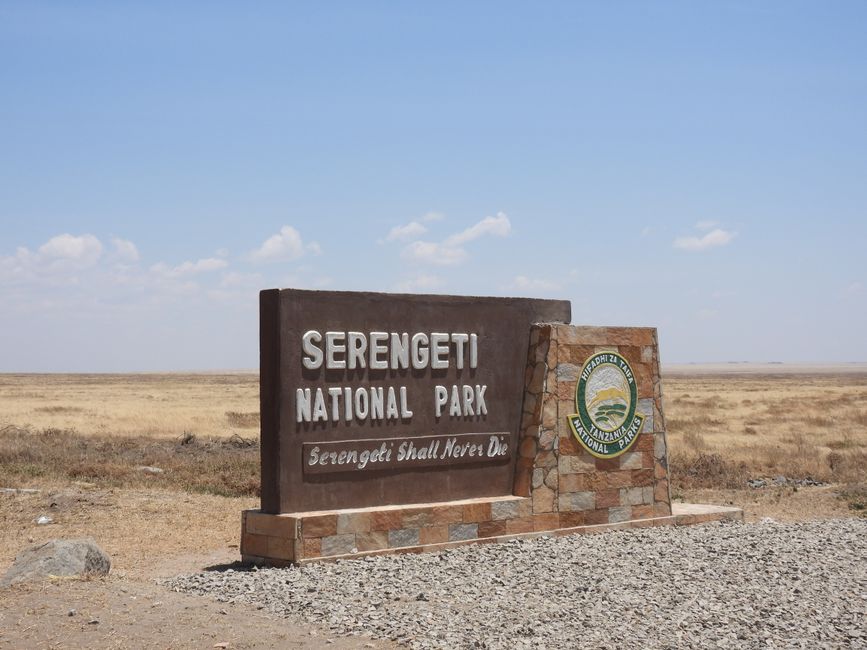
The dispute centers on lands bordering the world-famous Serengeti National Park and the Ngorongoro Conservation Area. These regions are major destinations for international travelers who come to see the annual wildebeest migration and other wildlife. The Tanzanian government has been working to expand tourism infrastructure in these areas to boost the national economy. However, this expansion has led to increasing tension with the Maasai people who have lived there for generations.
According to the UN committee, the evictions are happening without adequate and meaningful consultation with the affected communities. The experts stated that the Maasai have not given their free, prior, and informed consent to be moved. This lack of agreement is a central point of the UN's rebuke of the current land management policies. The committee emphasized that indigenous rights must be respected even when pursuing economic or environmental goals.
Tanzanian officials have defended their actions by citing the need for environmental protection. They argue that the growing human and livestock populations in these sensitive areas are putting too much pressure on the ecosystem. The government believes that moving residents to other locations is necessary to preserve the land for future generations. They have offered relocation packages, but many Maasai leaders say these offers are not sufficient.
The Maasai people argue that they are the natural guardians of the land and have lived in harmony with wildlife for centuries. They believe their traditional way of life is being sacrificed for the benefit of foreign tourism investors. Indigenous leaders have pointed out that their culture and identity are deeply tied to these specific geographic locations. Losing access to their grazing lands could lead to the disappearance of their unique heritage.
This situation has raised significant questions about the ethics of global tourism and conservation. While many travelers visit Tanzania to support wildlife protection, the displacement of local people creates a complex moral dilemma. Human rights organizations are now calling for a more inclusive approach to sustainable tourism. They suggest that local communities should be partners in conservation rather than obstacles to be removed.
In recent years, the Maasai have faced various restrictions on where they can graze their cattle and build homes. These measures are often described by the government as essential for modern land management and wildlife safety. However, the UN committee noted that these restrictions often lead to poverty and food insecurity for the Maasai. The committee is asking for a full review of these policies to ensure they do not unfairly target specific ethnic groups.
The UN's recommendations include providing clear legal protections for Maasai land rights. They also suggested that any future relocation efforts must be entirely voluntary and include fair compensation. The committee wants the Tanzanian government to report back on the steps taken to address these concerns. This international pressure adds a new layer of scrutiny to Tanzania's tourism industry.
International travel groups and conservationists are also watching the situation closely. Some organizations have expressed worry that the conflict could damage Tanzania's reputation as a top travel destination. They are urging the government to find a peaceful resolution that balances the needs of the people with the needs of the environment. The goal is to create a tourism model that benefits everyone involved.
The outcome of this dispute could set an important precedent for other nations facing similar challenges. Many countries struggle to balance the rights of indigenous populations with the demands of a growing tourism sector. The UN's involvement highlights the global importance of protecting human rights within the travel industry. For now, the world remains focused on how the Tanzanian government will respond to these international calls for change.
As the situation unfolds, the Maasai continue to advocate for their right to remain on their land. They have held peaceful protests and sought legal help to stop the evictions. The government has not yet announced any major changes to its plans following the UN statement. Travelers planning visits to the region are being encouraged to stay informed about the local social and political climate.
This story highlights the ongoing struggle between modernization and the preservation of ancient cultures. It serves as a reminder that the places people visit for leisure are often the homes of communities with deep historical roots. Finding a way to respect those roots while sharing the beauty of the land with the world remains a difficult task. The international community continues to hope for a solution that honors both the people and the wildlife of Tanzania.
Ask the Author
Subscribers can ask the journalist a question about this story. Subscribe to ask.
Neutrality note
Auto-harvested from global news wires and presented neutrally by PENN.
to vote
Comments
No comments yet — be the first to share your thoughts.