Underwater Microphones Deployed to Combat Illegal Blast Fishing in Indonesia
Researchers use acoustic technology to protect coral reefs from destructive fishing practices in the Spermonde Archipelago.
PENN Explainer
Hear this story explained in 90 seconds.
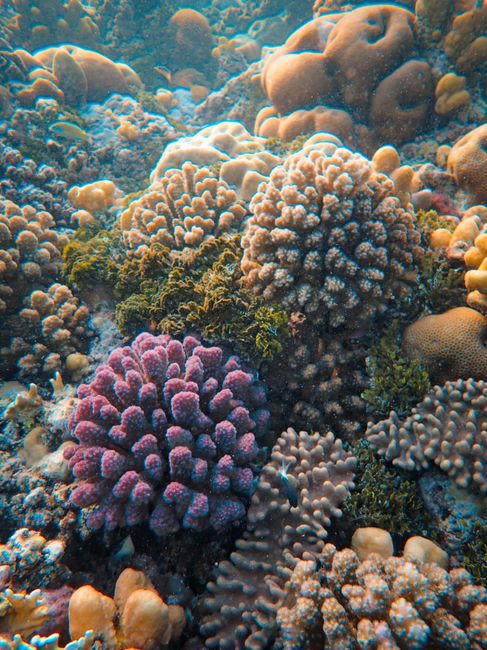
A team of researchers has begun using advanced underwater microphones, known as hydrophones, to monitor and protect coral reefs in Indonesia's Spermonde Archipelago. This initiative aims to address the persistent threat of blast fishing, a destructive practice that uses explosives to kill fish in large numbers. The explosions shatter the delicate structure of coral reefs, causing long-term damage to marine habitats that can take decades to recover. By deploying these acoustic sensors, scientists hope to gather real-time data on where and when these illegal activities occur. The project is led by researchers including Ben Williams, who has been working to document the impact of these blasts on local biodiversity. The hydrophones are designed to detect the distinct sound signature of underwater explosions, allowing authorities to pinpoint the location of illegal fishing vessels. This technology provides a significant advantage in patrolling remote areas where traditional surveillance is often difficult or impossible. Blast fishing remains a major concern for conservationists because it destroys the very foundation of the marine ecosystem. Beyond the immediate loss of fish, the destruction of the reef structure removes essential shelter and breeding grounds for countless other marine species. The loss of these habitats can lead to a collapse in local fish populations, which directly impacts the livelihoods of coastal communities that rely on sustainable fishing. By identifying the hotspots of illegal activity, the team hopes to provide law enforcement with the information needed to intervene more effectively. The data collected will also help researchers understand the scale of the problem and track the effectiveness of conservation efforts over time. This effort is part of a broader push to integrate technology into marine protection strategies across the region. As the project continues, the team plans to share their findings with local stakeholders and government agencies to encourage better management of the archipelago's natural resources. The use of acoustic monitoring represents a growing trend in environmental science, where innovative tools are being used to safeguard ecosystems from human-driven threats. Through these efforts, scientists aim to restore the health of the reefs and ensure that these vital underwater environments can thrive for future generations.
You've reached your free article limit
You've read 10 of 10 free articles this month. Subscribe to Planet Earth News Network for unlimited access to neutral, global journalism — plus puzzles, podcasts, and the weekly newsletter.
Already a subscriber? Sign in.
Ask the Author
Subscribers can ask the journalist a question about this story. Subscribe to ask.
Neutrality note
Auto-harvested from global news wires and presented neutrally by PENN.
to vote
Comments
No comments yet — be the first to share your thoughts.