
UNESCO Releases 2026 Global Education Monitoring Report in Nairobi
New report highlights critical gaps in access and equity as the world approaches the 2030 education goals.
PENN Explainer
Hear this story explained in 90 seconds.
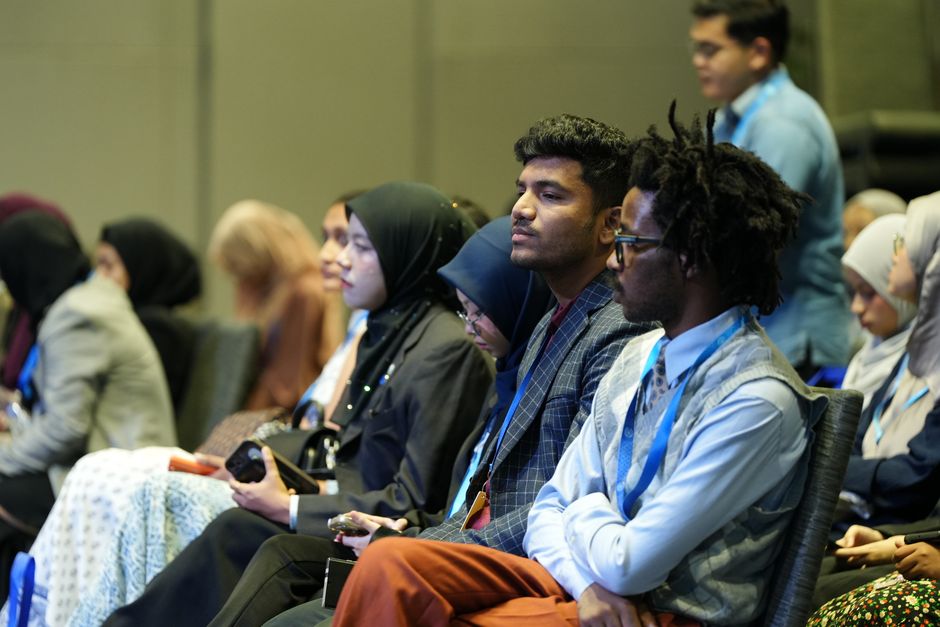
UNESCO recently unveiled key findings from its 2026 Global Education Monitoring (GEM) Report during the 2nd East African Community (EAC) Conference on Education. The event, held in Nairobi, Kenya, on August 26, 2026, served as a platform to discuss the first installment of the new Countdown to 2030 series. This report provides an independent analysis of global progress toward Sustainable Development Goal 4, which aims to ensure inclusive and equitable quality education for all. Experts gathered at the conference to examine the current state of learning and identify barriers that prevent children from completing their schooling. The report focuses heavily on the themes of access and equity, which remain central to the international education agenda. By analyzing global trends in enrollment and school completion, the document offers a roadmap for policymakers to address systemic exclusion. A primary goal of the research is to ensure that disadvantaged learners are not left behind as nations work toward their 2030 commitments. The findings highlight that while some progress has been made, significant challenges persist in reaching the most marginalized populations. The report emphasizes that policy interventions must be tailored to the specific needs of diverse communities to be effective. During the conference, representatives from various East African nations discussed how these insights could be integrated into their own national education strategies. The discussion underscored the importance of regional cooperation in tackling shared obstacles to quality learning. Participants noted that the data provided by UNESCO is essential for holding governments and international partners accountable for their promises. The 2026 GEM Report serves as a reminder that education is a fundamental right that requires sustained investment and political will. As the world moves closer to the 2030 deadline, the focus remains on transforming education systems to be more resilient and inclusive. The insights shared in Nairobi are expected to influence future policy dialogues and resource allocation across the region and beyond.
You've reached your free article limit
You've read 10 of 10 free articles this month. Subscribe to Planet Earth News Network for unlimited access to neutral, global journalism — plus puzzles, podcasts, and the weekly newsletter.
Already a subscriber? Sign in.
Ask the Author
Subscribers can ask the journalist a question about this story. Subscribe to ask.
Neŭtraleca noto
Auto-harvested from global news wires and presented neutrally by PENN.
to vote
Comments
No comments yet — be the first to share your thoughts.
Related stories in Education

OECD and European Commission Launch Landmark AI Literacy Framework for Schools
2026-09-30
United Kingdom Government Awards £300,000 Contract to Develop National AI Standards for Schools
2026-09-30