Politicsen
United Nations Security Council Confronts Political Impasse and Escalating Tensions Across Libya
Diplomats address prolonged electoral delays, institutional fragmentation, and fragile stabilization efforts as the mission's mandate approaches renewal.
PENN Explainer
Hear this story explained in 90 seconds.
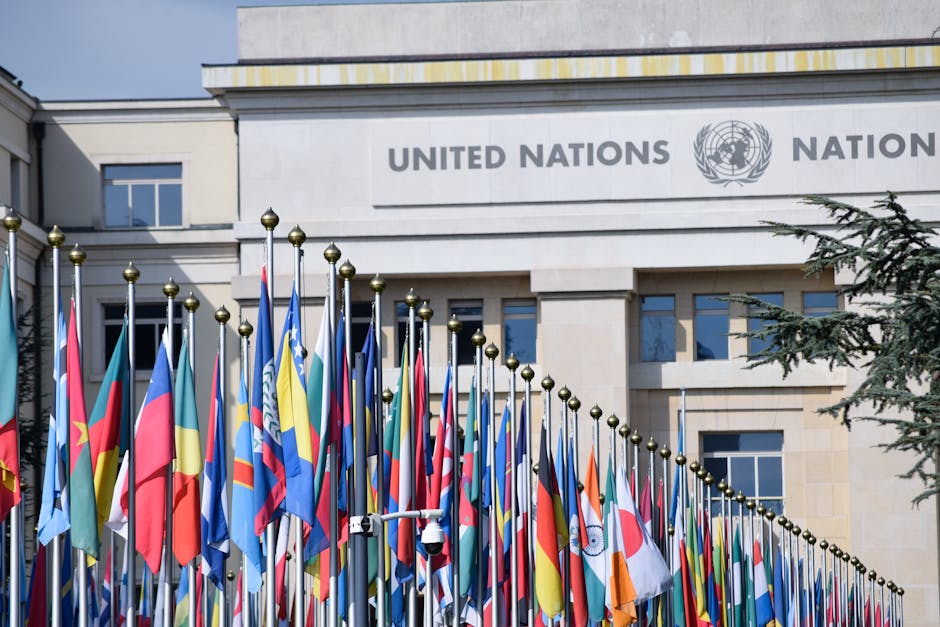
The United Nations Security Council met in New York to examine the deepening political deadlock in Libya, where postponed elections and institutional division continue to impede national stability. Envoys received detailed briefings regarding the security and economic difficulties facing the North African country. Officials stressed that the lack of a unified executive authority has complicated nationwide administration and delayed long-sought democratic voting.
The current governance divide pits the United Nations-recognized Government of National Unity, located in Tripoli, against a rival administration situated in the east. The eastern authority operates with the endorsement of the House of Representatives and receives military backing from Khalifa Haftar's Libyan National Army. Both sides remain locked in disagreements regarding the constitutional foundation required to administer comprehensive national elections.
Electoral efforts in Libya have been stalled since December 2021, when planned national elections were indefinitely postponed due to disputes over candidate eligibility and election laws. Since that postponement, diplomatic initiatives to establish a single, unified interim executive have met recurring administrative resistance. Council members highlighted that unresolved institutional rivalries continue to create significant hurdles for regular civil administration.
Security Council briefings also underscored how political fragmentation directly affects the nation's economy and infrastructure. In recent weeks, isolated armed clashes and strikes have damaged energy facilities, including incidents that ignited blazes at critical refining sites. The Libyan economy relies heavily on oil revenue, making the security of energy assets a central issue for domestic stability and international commerce.
Beyond military and legislative friction, civic presenters alerted the Council to compounding environmental and social pressures. Representatives noted that extreme heatwaves, persistent water scarcity, and strained municipal services are placing severe pressure on ordinary citizens. When combined with institutional paralysis, these everyday challenges present significant risks to wider peace and humanitarian conditions.
The United Nations Support Mission in Libya, known as UNSMIL, has operated in the country since 2011 to assist with political reconciliation and state-building. UNSMIL's operational mandate, extended through October, focuses on mediating discussions between the competing authorities and building agreement on electoral frameworks. UN diplomats stressed that while international facilitation remains active, lasting progress requires direct cooperation among domestic political actors.
During the council session, participating delegations offered varying perspectives on how best to break the political impasse. Some member states emphasized the urgency of holding immediate general elections to restore broad civic legitimacy. Other representatives maintained that forming an interim transitional framework must occur first to ensure equal security and administrative oversight across all regions.
Civil society observers also shared concerns regarding the civic space required for credible public participation across the divided territory. Advocates emphasized that genuine freedom of expression, unhindered assembly, and protection for independent journalists are essential prerequisites for fair voting. Without these basic safeguards, civic leaders warned, any future electoral outcome could face legitimacy challenges from local communities.
Libyan authorities in both Tripoli and the eastern region have expressed theoretical backing for national unity, yet practical negotiations over statutory terms have repeatedly stalled. Disagreements remain focused on whether military personnel and dual citizens should be permitted to seek the presidency. These unsettled legal points continue to hinder the finalization of an agreed-upon electoral code.
The meeting concluded with Security Council members reaffirming support for ongoing United Nations mediation efforts while calling on domestic factions to prioritize compromise. Envoys emphasized that the ongoing status quo remains unsustainable for long-term regional stability. The Council is scheduled to review the mission's operational status again prior to the formal expiration of its current mandate.
Ask the Author
Subscribers can ask the journalist a question about this story. Subscribe to ask.
中立性の注記
Auto-harvested from global news wires and presented neutrally by PENN.
to vote
Comments
No comments yet — be the first to share your thoughts.