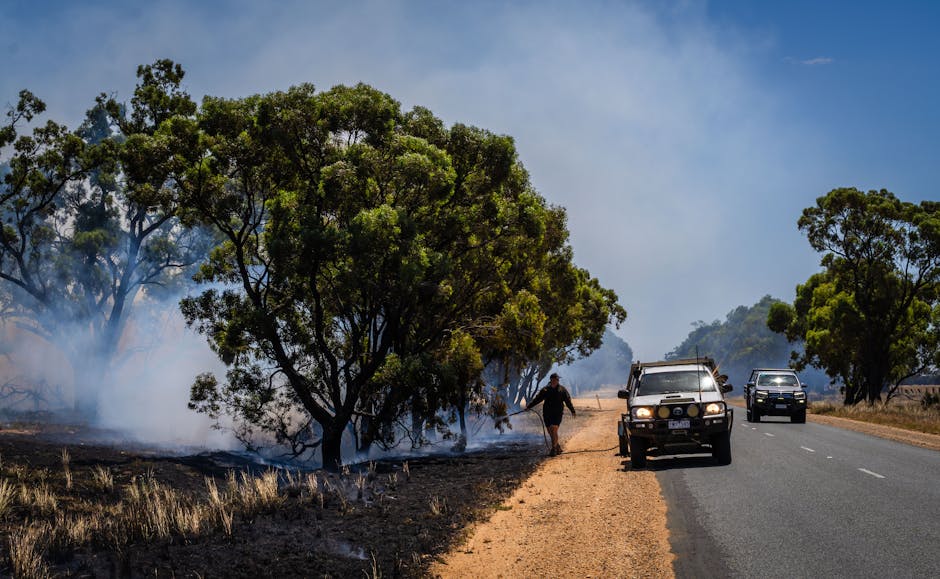
United States Wildfire Preparedness Level Lowered as 2026 Season Progresses
National authorities report a decrease in fire activity as the country manages ongoing suppression efforts across western states.

PENN Explainer
Hear this story explained in 90 seconds.
The National Interagency Fire Center (NIFC) announced a significant update regarding the national wildfire situation on Tuesday, September 22, 2026. Officials officially lowered the National Wildland Fire Preparedness Level to Level 2 as of 7:30 a.m. Mountain Time. This change reflects a shift in the intensity and frequency of fire activity across the United States. The decision follows a period of monitoring and assessment by fire management experts. Lowering the level indicates that current resources are sufficient to handle ongoing incidents without requiring additional national mobilization. While the threat remains, the overall demand for firefighting assets has decreased compared to earlier in the summer. The NIFC continues to coordinate with various agencies to ensure that all regions remain protected. Data from the Western Fire Chiefs Association (WFCA) shows that wildfire activity is being tracked in near real-time across the western United States and Alaska. These digital tools allow emergency responders to monitor fire perimeters and allocate personnel effectively. Residents in affected areas are encouraged to stay informed through official channels and local fire department updates. Public safety remains the primary focus for all agencies involved in suppression efforts. Throughout the 2026 season, military aircraft equipped with Modular Airborne FireFighting Systems (MAFFS) have been mobilized to assist ground crews. These specialized aircraft provide critical support in suppressing large fires that are difficult to reach by land. The collaboration between military and civilian agencies has been a key component of the national response strategy. Such partnerships help ensure that specialized equipment is available where it is needed most. As of late September, the total area burned in the United States for 2026 stands at approximately 3,243,965 hectares. This figure is notably 41% below the 20-year average for this time of year. While the total acreage is lower than historical norms, individual fires still pose risks to local communities and ecosystems. Firefighters continue to work on containment lines to prevent further spread. The 2026 wildfire season has seen a variety of incidents, ranging from small brush fires to larger, more complex events. For example, the Shingle Fire, which began on July 23, 2026, following a widespread lightning event, required significant resources to manage. Such incidents highlight the unpredictable nature of wildfire behavior during the summer months. Agencies like the U.S. Forest Service and CAL FIRE remain vigilant as they transition into the autumn season. The focus now shifts toward monitoring remaining uncontained fires and preparing for potential late-season activity. Officials emphasize that even as the national level drops, the risk of fire persists in many regions. Continued cooperation between federal, state, and local authorities is essential for effective management. The public is reminded to follow all fire safety regulations and evacuation orders if they are issued in their area. By staying prepared and informed, communities can better navigate the challenges posed by the remainder of the 2026 wildfire season.
Ask the Author
Subscribers can ask the journalist a question about this story. Subscribe to ask.
Note de neutralité
Auto-harvested from global news wires and presented neutrally by PENN.
to vote
Comments
No comments yet — be the first to share your thoughts.
Related stories in Weather & Climate
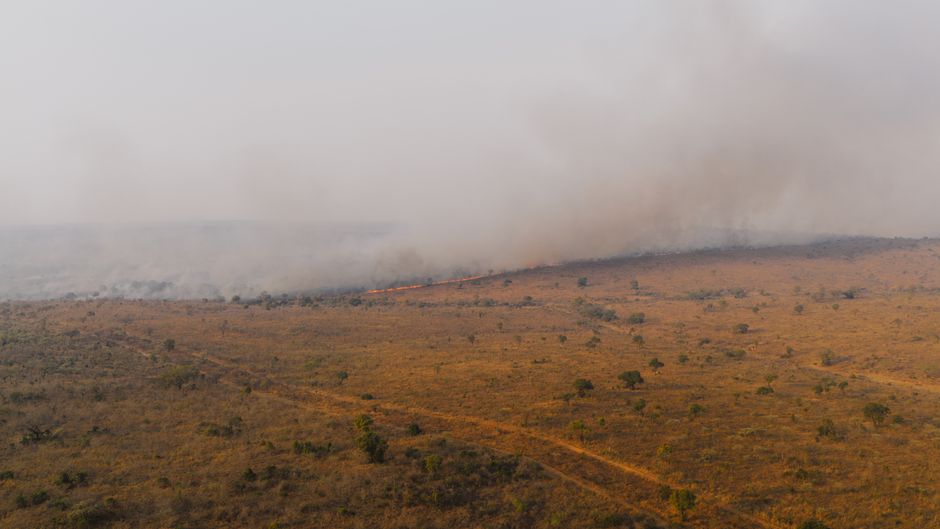
Wildfires Devastate Large Portions of Namibia's Etosha National Park
2026-09-24
Wildfires Surge Across Europe and North Africa as Temperatures Reach Record Highs
2026-09-24