
Urban Vertical Farming Expands as Key Strategy for Global Food Security in 2026
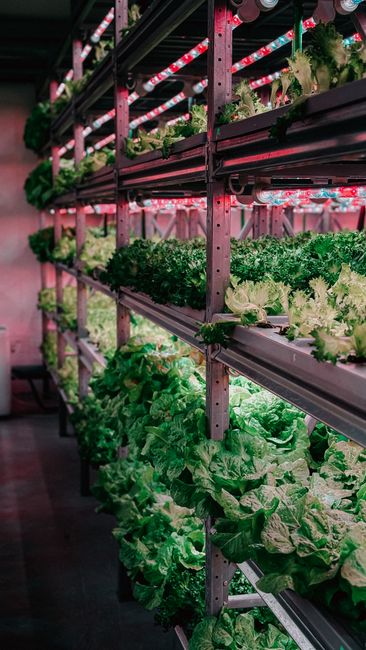
New advancements in automation and controlled-environment agriculture are transforming city infrastructure into high-density food production hubs.
PENN Explainer
Hear this story explained in 90 seconds.
The year 2026 has marked a significant turning point for urban vertical farming as cities worldwide increasingly adopt controlled-environment agriculture to bolster food security. By utilizing advanced technologies like hydroponics and aeroponics, these farms are now capable of producing crops year-round, regardless of external weather conditions or seasonal changes. This shift is helping urban centers reduce their reliance on long-distance supply chains for fresh produce. The integration of Internet of Things (IoT) sensors and precision automation has allowed these facilities to operate with unprecedented efficiency. These systems monitor plant health in real-time, ensuring that water and nutrient delivery are optimized to minimize waste. As a result, vertical farms are becoming a staple solution for both large-scale commercial operations and smaller community-based projects. A major advantage of this approach is the ability to maximize limited urban space by building upwards rather than outwards. By retrofitting existing city infrastructure or incorporating farming modules into new mixed-use developments, planners are effectively multiplying the available area for food production. This high-density model is particularly beneficial for densely populated regions where traditional farmland is scarce. Beyond production, researchers are increasingly focusing on how these farms fit into broader circular economy principles. By recycling water and utilizing low-carbon energy sources, vertical farming is being positioned as a sustainable strategy for green infrastructure expansion. This holistic view aims to address not just food availability, but also the environmental impact of urban food systems. Despite the rapid growth, experts emphasize that the industry must continue to evolve to meet long-term sustainability goals. Ongoing research into crop-specific production systems and AI-driven management is expected to further lower operational costs throughout the remainder of 2026. These innovations are essential for making fresh, locally grown food more accessible to diverse urban populations. As global food systems face ongoing pressures from climate variability, the expansion of vertical farming represents a proactive step toward resilience. By blending modern technology with urban planning, cities are creating new pathways to ensure consistent food supplies for their residents. This trend highlights a broader movement toward localized, technology-enabled agriculture in the face of global challenges.
Ask the Author
Subscribers can ask the journalist a question about this story. Subscribe to ask.
Neutrality note
Auto-harvested from global news wires and presented neutrally by PENN.
to vote
Comments
No comments yet — be the first to share your thoughts.
Related stories in Agriculture & Food Security

Global Coffee Sector Faces Growing Instability Amid Climate and Economic Pressures
2026-09-29
European Union Finalizes Implementation Details for Deforestation-Free Product Regulations
2026-09-29