
U.S. Senate Blocks Clarity Act, Stalling Proposed Cryptocurrency Regulatory Framework
Legislative effort to define digital asset classification fails to advance amid opposition from lawmakers.
PENN Explainer
Hear this story explained in 90 seconds.
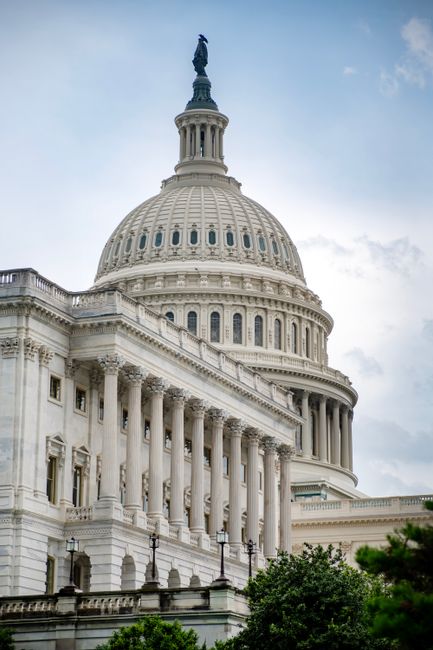
The United States Senate recently failed to advance the Clarity Act, a significant piece of legislation intended to establish a formal regulatory framework for the cryptocurrency industry. The bill sought to clarify how digital assets are classified under federal law, specifically determining whether tokens should be regulated as securities, commodities, or under a separate category. This legislative push was viewed by many industry participants as a milestone for providing much-needed legal certainty in the digital asset space. Despite the high expectations surrounding the bill, the Senate vote resulted in a failure to move the legislation forward. The outcome highlights the ongoing challenges in reaching a consensus on how to govern the rapidly evolving cryptocurrency market. Nikhilesh De, the managing editor for global policy and regulations at CoinDesk, noted that the failure to advance the bill reflects deep-seated concerns among both Democratic and some Republican lawmakers. The debate over the Clarity Act has been a focal point for the industry, which has long argued that existing rules, written before the rise of digital assets, create confusion and drive investment offshore. Critics of the current regulatory environment suggest that the lack of a clear framework hinders innovation and leaves market participants in a state of uncertainty. Conversely, some legislators have expressed caution, emphasizing the need for robust consumer protections before implementing a sweeping new regulatory structure. The legislative process has been marked by intense lobbying, with cryptocurrency interests contributing significant campaign donations to members of both political parties. Despite this financial support, the Senate vote demonstrated that the industry still faces substantial hurdles in securing broad political backing for its preferred regulatory path. The failure of the Clarity Act leaves the current regulatory landscape largely unchanged for now. Market participants will continue to operate under existing federal securities regulations while awaiting further developments from Washington. Meanwhile, other initiatives, such as the Securities and Exchange Commission's broader Project Crypto initiative led by SEC Chair Atkins, continue to explore ways to modernize the approach to digital assets. The future of cryptocurrency regulation in the United States remains a complex and highly debated topic. As the industry continues to grow, the pressure for a clear, comprehensive legal framework is likely to persist. Observers will be watching closely to see how lawmakers and regulators navigate these competing interests in the coming months.
Ask the Author
Subscribers can ask the journalist a question about this story. Subscribe to ask.
Note de neutralité
Auto-harvested from global news wires and presented neutrally by PENN.
to vote
Comments
No comments yet — be the first to share your thoughts.
Related stories in Cryptocurrency & Digital Assets

U.S. House Passes Trio of Cryptocurrency Bills Including GENIUS Act
2026-09-28
Ripple’s RLUSD Stablecoin Supply Reaches Record $2.5 Billion Milestone
2026-09-28