
U.S. Supreme Court Concludes 2025-2026 Term with Significant Rulings
The high court issued final opinions on executive power and administrative authority before beginning its traditional summer recess.
PENN Explainer
Hear this story explained in 90 seconds.
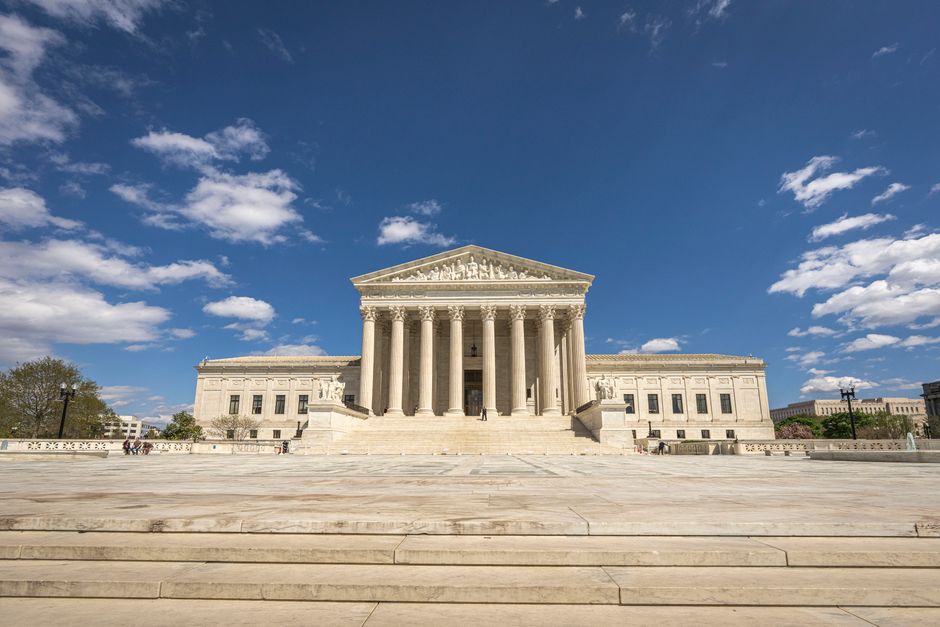
The United States Supreme Court officially concluded its 2025-2026 term on June 30, 2026, releasing a series of final opinions before entering its traditional summer recess. This term, which began in October 2025, was widely viewed by legal analysts as one of the most consequential in recent history. The Court accepted a docket of 59 cases, addressing foundational questions regarding the scope of federal authority and constitutional law. Chief Justice John Roberts presided over the term, which featured a bench composed of six justices appointed by Republican presidents and three appointed by Democratic presidents. The final days of the term saw the resolution of several high-profile appeals that had been closely watched by legal experts and the public alike. Among the most anticipated outcomes were rulings concerning executive power and the reach of administrative agencies. These decisions are expected to have lasting impacts on how federal regulations are implemented and enforced across the country. The Court's work this year continued to build upon previous precedents, including the 2022 decision in West Virginia v. EPA, which has served as a touchstone for debates over regulatory authority. Throughout the term, the justices navigated complex legal questions ranging from immigration enforcement to free speech in the digital age. The Court's process for selecting cases remains highly selective, as it typically hears fewer than 80 cases out of thousands of petitions submitted annually. For a case to be heard, at least four of the nine justices must agree to grant a petition for review. The resulting decisions often set national legal standards that influence lower courts and state-level jurisprudence. As the justices depart for their summer break, the legal community is already beginning to analyze the long-term implications of these rulings. The 2025-2026 term has reinforced the Court's role as the final arbiter of constitutional interpretation in the United States. Observers note that the conservative-leaning majority has continued to shape the direction of federal law in significant ways. The impact of these decisions will likely be felt in various sectors, including government administration, civil rights, and corporate regulation. Looking ahead, the Court will prepare for its next term, which is scheduled to begin in October 2026. The docket for the upcoming term will likely continue to address the evolving relationship between the branches of government and the rights of individuals. For now, the conclusion of this term marks a period of reflection for legal scholars and practitioners across the nation.
Ask the Author
Subscribers can ask the journalist a question about this story. Subscribe to ask.
中立性の注記
Auto-harvested from global news wires and presented neutrally by PENN.
to vote
Comments
No comments yet — be the first to share your thoughts.
Related stories in Legal & Justice

UN Fact-Finding Mission Reports External Support Networks Fueling Sudan Conflict
2026-09-29
Hong Kong Court Upholds Convictions of Humanitarian Fund Organizers
2026-09-29