
US Supreme Court Rejects Disputed Congressional Map Drawn by Missouri Lawmakers
The emergency order blocks the state from implementing a redistricting boundary that the Missouri Supreme Court declared unconstitutional.
PENN Explainer
Hear this story explained in 90 seconds.
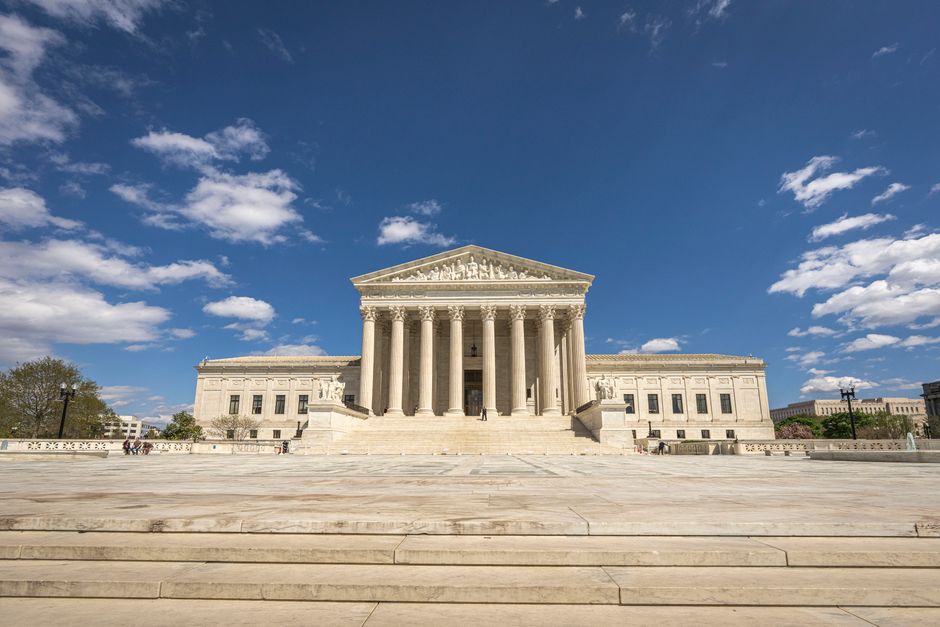
The Supreme Court of the United States issued an emergency order blocking the state of Missouri from utilizing a contentious new congressional map in upcoming legislative races. The decision stays a prior ruling by a federal district judge that had attempted to mandate the use of the boundaries. State election authorities must now conduct elections under existing district configurations unless lawful revisions receive final judicial or voter approval.
The high court acted after voters and voting rights organizations submitted an urgent appeal challenging the revised electoral borders. Opponents argued that the newly configured map concentrated opposition voters into limited districts to secure an advantage for Republican candidates. The Missouri Supreme Court had previously determined that the legislature's map was invalid because it had not received mandatory approval from voters under state constitutional guidelines.
A federal judge had subsequently ordered state officials to proceed with the disputed boundaries, citing logistical deadlines for ballot printing and administrative preparations. That move created conflicting directives between state and federal judicial authorities. The competing rulings raised fundamental constitutional questions regarding whether federal courts can supersede state supreme court interpretations of their own state constitutions on electoral rules.
The application submitted to the highest bench asked the justices to resolve what petitioners described as irreconcilable legal determinations. Attorneys representing the challengers maintained that implementing a map deemed unconstitutional by the state's highest court would undermine democratic integrity and disregard state sovereignty over internal redistricting rules. State officials had defended the federal order, contending that changing maps close to an election risks operational disorder for local election clerks.
The emergency stay granted by the nation's top bench halts the federal district court's intervention, leaving the Missouri Supreme Court's determination in force. The order allows administrative officials to rely on established, verified boundaries rather than adopting the contested layout. Observers noted that the ruling emphasizes the authority of state supreme courts to enforce state constitutional limitations against legislative mapmakers.
Redistricting disputes remain a persistent source of litigation across American federal and state courts following decennial census adjustments. Legal standards governing congressional boundary lines frequently balance state legislative authority against protections against unlawful gerrymandering and procedural safeguards established in state constitutions. Similar litigation continues to wind through several appellate jurisdictions nationwide.
Civil liberties advocates welcomed the high court's decision, emphasizing that upholding state court rulings protects checks and balances within state governance. Meanwhile, proponents of the legislative map expressed disappointment, arguing that federal oversight should have prevented procedural disruption so close to candidate qualifying deadlines. Both parties now turn their focus to preparing candidates and voters under the preserved district borders.
The procedural disposition by the Supreme Court of the United States concludes immediate emergency litigation surrounding the map for the impending election cycle. State election directors confirmed that ballot layouts, voter assignment registries, and polling designations will conform to the validated boundaries without further alterations.
Ask the Author
Subscribers can ask the journalist a question about this story. Subscribe to ask.
中立性の注記
Auto-harvested from global news wires and presented neutrally by PENN.
to vote
Comments
No comments yet — be the first to share your thoughts.
Related stories in Legal & Justice

Brazil Supreme Court Expands Liability for Online Platforms Regarding User Content
2026-09-30
Hong Kong Court Upholds Convictions of Humanitarian Fund Organizers
2026-09-29