
U.S. Supreme Court Ruling Reshapes Asylum Access at Southern Border
The court's decision allows federal authorities to turn back asylum seekers who have not yet physically entered the United States.
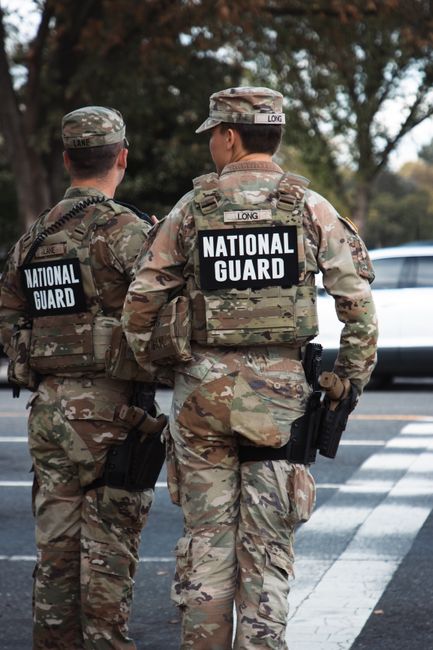
PENN Explainer
Hear this story explained in 90 seconds.
The Supreme Court of the United States issued a significant ruling on June 25, 2026, that fundamentally changes how asylum seekers are processed at the U.S.-Mexico border. In a 6-3 decision, the court determined that the federal government may systematically turn back individuals who seek to claim asylum while still standing on Mexican soil. The justices concluded that because these individuals have not yet physically entered the country, they do not meet the legal requirement of being present in the United States to initiate an asylum claim. This ruling effectively revives a practice often referred to as "metering," which limits the number of people who can present themselves for asylum processing each day.
The legal debate centered on the interpretation of federal immigration law, which grants the right to seek asylum to those who "arrive in" the United States. Justice Samuel Alito, writing for the majority, noted that in ordinary speech, a person cannot be said to have arrived in a place before they have actually entered it. This decision marks the culmination of a long-standing legal battle that began in 2017. The case was originally brought forward by Al Otro Lado, a legal and humanitarian service provider based in California, which argued that such policies prevent vulnerable people from accessing necessary protections.
Supporters of the policy, including members of the Trump administration, have framed the move as a necessary step to manage border surges and maintain order. They argue that the asylum system is currently overwhelmed and that these measures help ensure that resources are directed toward the most urgent claims. By controlling the flow of people at the border, officials aim to reduce the strain on federal facilities and personnel. The administration has emphasized that this approach is intended to streamline the overall immigration process.
Conversely, critics and humanitarian advocates have expressed deep concern regarding the potential impact on those fleeing persecution. They argue that turning back asylum seekers at the border denies them their legal right to seek safety and could lead to dangerous outcomes for families and individuals. Some observers have warned that such policies may increase the risks faced by migrants waiting in border regions. The debate highlights the ongoing tension between national border security objectives and international humanitarian obligations.
In a separate but related development, the U.S. Citizenship and Immigration Services announced a new federal rule in July 2026 aimed at addressing the massive backlog of asylum cases. This policy eliminates the requirement for asylum officers to conduct initial interviews for certain applicants, instead referring them directly to immigration judges for removal proceedings. The agency estimates that this change could affect up to 444,000 cases. Officials state that this shift is designed to reduce a backlog that has grown to approximately 1.4 million cases.
While the administration describes this as an effort to improve efficiency, some legal experts and advocacy groups have raised questions about the capacity of the immigration court system to handle such a large influx of cases. They point out that the courts are already facing significant delays and that moving cases directly to judges may not necessarily speed up the final resolution for applicants. The move is part of a broader effort by the government to restrict the legal immigration system and prioritize enforcement. These policy changes reflect a significant shift in how the United States manages its borders and asylum claims.
As these new rules take effect, the impact on both the immigration system and the individuals involved remains a subject of intense national discussion. The combination of the Supreme Court's ruling on border access and the new administrative procedures for asylum cases represents a major change in U.S. immigration policy. Observers are closely monitoring how these measures will be implemented on the ground by federal agents and immigration officials. The long-term consequences for the asylum system and the people seeking protection continue to be evaluated by policymakers and legal experts alike.
Meanwhile, the broader context of U.S. immigration remains complex, with various legislative proposals and executive actions being debated in Washington. For instance, bills such as the Asylum Accountability Act have been introduced in Congress to further address concerns regarding the integrity of the asylum process. These legislative efforts often mirror the administration's focus on enforcement and the tightening of eligibility requirements. The ongoing dialogue underscores the difficulty of balancing security concerns with the humanitarian needs of those arriving at the border.
As the situation evolves, the role of international and non-governmental organizations in providing support to migrants also remains critical. These groups continue to provide legal aid, humanitarian assistance, and advocacy for those navigating the increasingly complex U.S. immigration landscape. Their work highlights the human dimension of these policy shifts, as individuals and families seek to understand their rights and options under the current legal framework. The intersection of law, policy, and human experience continues to define the challenges facing the U.S. immigration system today.
Ultimately, the recent actions by the Supreme Court and the executive branch signal a period of significant transition for U.S. immigration policy. Whether these changes will achieve the stated goals of reducing backlogs and managing border security remains to be seen. As the country moves forward, the debate over how to best manage migration while upholding legal and humanitarian standards is expected to persist. The developments of the past few months serve as a clear indicator of the evolving priorities within the American immigration system.
Ask the Author
Subscribers can ask the journalist a question about this story. Subscribe to ask.
Neutrality note
Auto-harvested from global news wires and presented neutrally by PENN.
to vote
Comments
No comments yet — be the first to share your thoughts.
Related stories in Immigration & Migration
Global Displacement Trends Shift as UNHCR Reports First Decline in a Decade
2026-09-30
Australia Announces Significant Overhaul of Migration and Visa Framework
2026-09-30