
Vietnam Targets Rice Straw as Key Resource for Sustainable Agriculture
New initiatives in the Mekong Delta aim to transform agricultural waste into a valuable biomass resource to support low-emission farming.
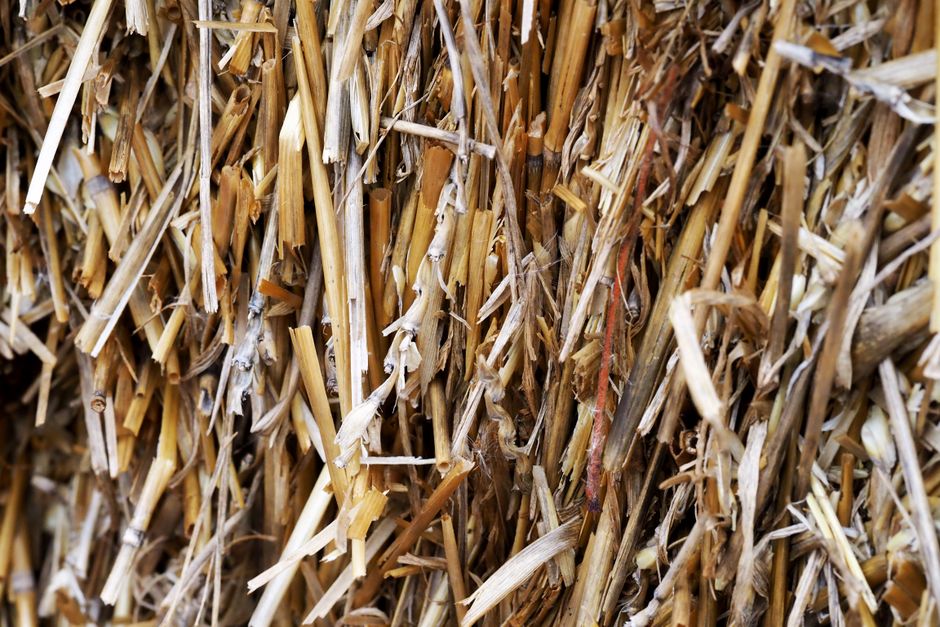
PENN Explainer
Hear this story explained in 90 seconds.
Agricultural leaders and scientists in Vietnam are working to transform rice straw from a common waste product into a strategic asset for the nation's green economy. During a recent workshop in Can Tho City, experts from across the Mekong Sub-region discussed how to better utilize the nearly 100 million tons of rice straw produced annually. This shift is a central component of Vietnam's broader strategy to modernize its rice sector while meeting international climate commitments. Currently, a significant portion of this straw is burned after harvest, which creates environmental challenges for the region.
By repurposing this material, officials hope to reduce emissions and create new income streams for farmers. This effort is part of the government's ambitious project to develop one million hectares of high-quality, low-emission rice production by 2030. The initiative focuses on reorganizing production along value chains and promoting circular agriculture practices. Le Thanh Tung, the Standing Vice Chairman of the Vietnam Rice Industry Association, stated that these technologies are essential to enhance agricultural value and reduce greenhouse gas emissions.
Localities are being encouraged to adopt models that fit their specific conditions to help increase farmer incomes. The project also emphasizes the need for better irrigation infrastructure and investment in biomass power plants that can use rice husks and straw. Financial support has already begun to flow into these efforts, with the Vietnam Bank for Agriculture and Rural Development and other commercial lenders providing significant credit to participating cooperatives. As the Mekong Delta continues to produce over half of Vietnam's total rice output, the success of these sustainable practices is vital for national food security.
The transition toward low-emission farming represents a significant change for a region that has historically prioritized high-volume production. By integrating technology and circular economy principles, Vietnam aims to balance its role as a leading global rice exporter with the urgent need for climate resilience.
Ask the Author
Subscribers can ask the journalist a question about this story. Subscribe to ask.
নিরপেক্ষতা নোট
Auto-harvested from global news wires and presented neutrally by PENN.
to vote
Comments
No comments yet — be the first to share your thoughts.
Related stories in Agriculture & Food Security
European Union Finalizes Implementation Guidance for Deforestation-Free Product Regulations
2026-10-04
European Union Postpones Deforestation Regulation to Simplify Implementation
2026-10-04