White Rhinos Return to Uganda's Kidepo Valley National Park After Decades of Absence
A landmark reintroduction initiative marks the return of wild rhinos to northern Uganda forty years after heavy poaching drove them to local extinction.
PENN Explainer
Hear this story explained in 90 seconds.
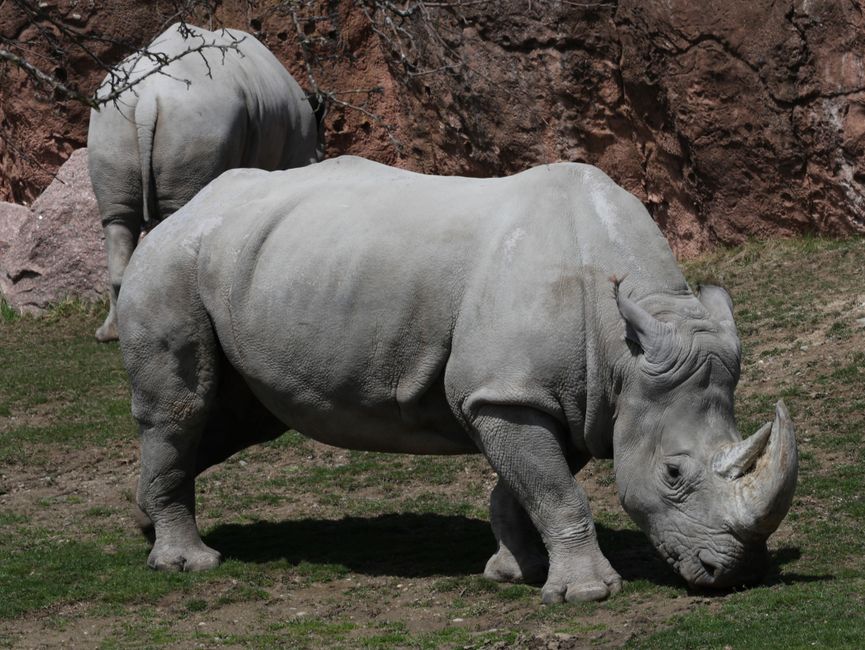
Wildlife authorities and conservation organizations have achieved a significant ecological milestone with the successful transfer and reintroduction of southern white rhinos to Kidepo Valley National Park in northern Uganda. The arrival of the animals marks the first time that wild rhinos have roamed the remote savannah landscape in more than four decades. During the late twentieth century, rampant illegal poaching fueled by civil instability completely eliminated Uganda's wild rhino populations.
The relocation initiative was coordinated by the Uganda Wildlife Authority (UWA) in partnership with the international non-governmental organization Global Conservation and the Rhino Fund Uganda. Specialists conducted health assessments, tranquilization, and specialized crate loading of the selected rhinos at the Ziwa Rhino Sanctuary in central Uganda before transporting them overland across hundreds of miles to Kidepo Valley. Experienced veterinarians monitored the animals continuously throughout the convoy journey to minimize stress and prevent physical injuries.
Kidepo Valley National Park, which covers roughly 1,442 square kilometers near Uganda’s northern frontier with South Sudan, once harbored abundant wildlife, including both black and northern white rhinos. By 1983, decades of unchecked hunting had wiped out the park's entire resident rhino population. The establishment of the Ziwa sanctuary in the early 2000s helped rebuild an initial breeding stock in secure enclosures, paving the way for eventual rewilding into historic native habitats.
To ensure the long-term survival of the newly introduced population, the Uganda Wildlife Authority has bolstered park security through comprehensive monitoring systems. Upgraded defenses include newly constructed ranger outposts, satellite-linked tracking collars on the rhinos, and real-time sensor cameras across key watering holes. Ranger units in the park have also received advanced anti-poaching training and motorized equipment to patrol broad corridors along the park borders.
Ecologists emphasize that large herbivores like rhinos fulfill critical ecological functions within savannah ecosystems. As selective mega-grazers, rhinos consume substantial volumes of tall grasses, creating natural firebreaks that curb sweeping wildfires during dry seasons. Their grazing patterns open up sunlight and space for shorter, highly nutritious grasses that sustain antelopes, zebras, and other smaller plains species.
Local community engagement forms an integral pillar of the ongoing conservation project. The Uganda Wildlife Authority works alongside neighboring pastoral communities to establish shared revenue programs and employment opportunities for local trackers and guides. By linking the protection of megafauna to economic benefits and school funding, program coordinators aim to minimize conflicts between wildlife and livestock around park boundaries.
Veterinary teams will maintain close observation of the released herd over the coming months to track grazing patterns, herd dynamics, and general acclimation to local flora. Wildlife managers note that careful genetic management and periodic additions of new animals will be necessary to ensure genetic diversity and population stability as the herd establishes permanent territories.
The successful reintroduction in Kidepo Valley represents a central phase of Uganda’s national wildlife recovery strategy. Conservation officials hope that establishing a self-sustaining wild rhino population in the north will eventually allow for similar wildlife corridors across other historic ranges in eastern and central Africa.
Ask the Author
Subscribers can ask the journalist a question about this story. Subscribe to ask.
Nota de neutralidade
Auto-harvested from global news wires and presented neutrally by PENN.
to vote
Comments
No comments yet — be the first to share your thoughts.