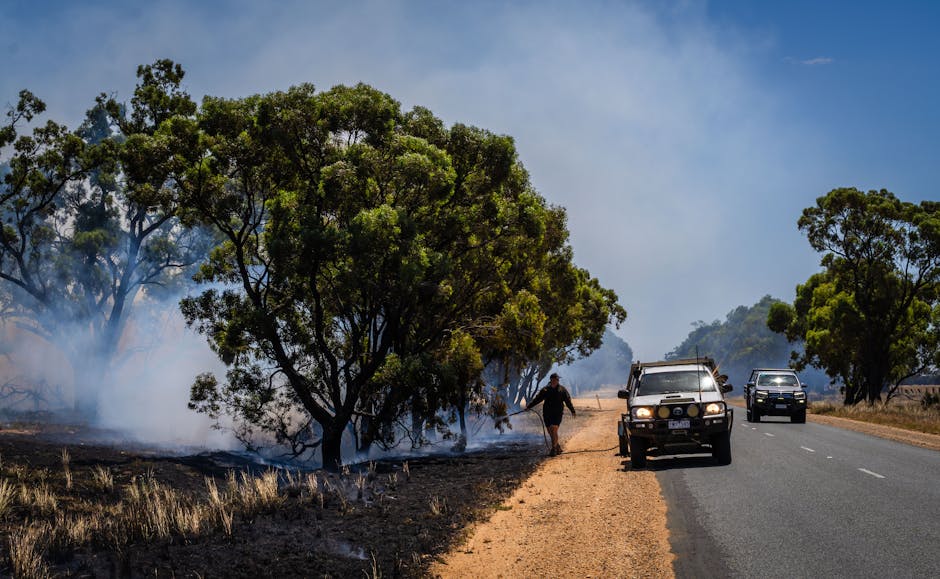
Wildfires Surge Across Europe and North Africa as Temperatures Reach Record Highs
Emergency crews struggle to contain massive blazes that have scorched over 1.2 million hectares this summer.

PENN Explainer
Hear this story explained in 90 seconds.
A series of intense wildfires has spread rapidly across parts of Europe and North Africa throughout the summer of 2026. These fires have created a significant challenge for emergency responders and local governments working to protect communities. The scale of the destruction has drawn international attention as the blazes continue to burn through vast areas of land. Data from the European Environment Agency indicates that more than 1.2 million hectares have been affected between July 1 and August 31. This figure highlights the severity of the current fire season in these regions. Firefighters are working around the clock to contain the flames, but the hot and dry conditions have made their efforts difficult. The combination of high temperatures and strong winds has allowed the fires to move quickly across the landscape. Many local authorities have had to issue evacuation orders to ensure the safety of residents living near the fire zones. The impact of these fires extends beyond the immediate loss of vegetation and property. Smoke from the blazes has affected air quality in several cities, leading to health concerns for vulnerable populations. Public health organizations are advising people to stay indoors and limit physical activity when smoke levels are high. Scientists are studying the relationship between these extreme weather events and broader climate trends. While wildfires are a natural part of many ecosystems, the frequency and intensity of these events have raised questions about long-term environmental changes. Researchers are looking at how rising global temperatures contribute to the drying of forests and grasslands. This drying process makes it easier for fires to start and harder for them to be extinguished. International cooperation has become a key part of the response to these disasters. Several countries have sent specialized equipment and personnel to assist in the firefighting efforts. This collaborative approach is intended to share resources and expertise in managing large-scale emergencies. As the summer season progresses, officials remain on high alert for new fire outbreaks. The focus remains on protecting human life and minimizing the damage to critical infrastructure. Future planning will likely involve more robust strategies for fire prevention and forest management to address these growing risks.
Ask the Author
Subscribers can ask the journalist a question about this story. Subscribe to ask.
तटस्थता टिप्पणी
Auto-harvested from global news wires and presented neutrally by PENN.
to vote
Comments
No comments yet — be the first to share your thoughts.
Related stories in Weather & Climate

United States Wildfire Preparedness Level Lowered as 2026 Season Progresses
2026-09-24
Wildfires Devastate Large Portions of Namibia's Etosha National Park
2026-09-24