
World Court Rules Nations Legally Obligated to Curb Climate Change
The International Court of Justice declares that states must protect the environment and fulfill climate commitments to avoid legal responsibility.
PENN Explainer
Hear this story explained in 90 seconds.
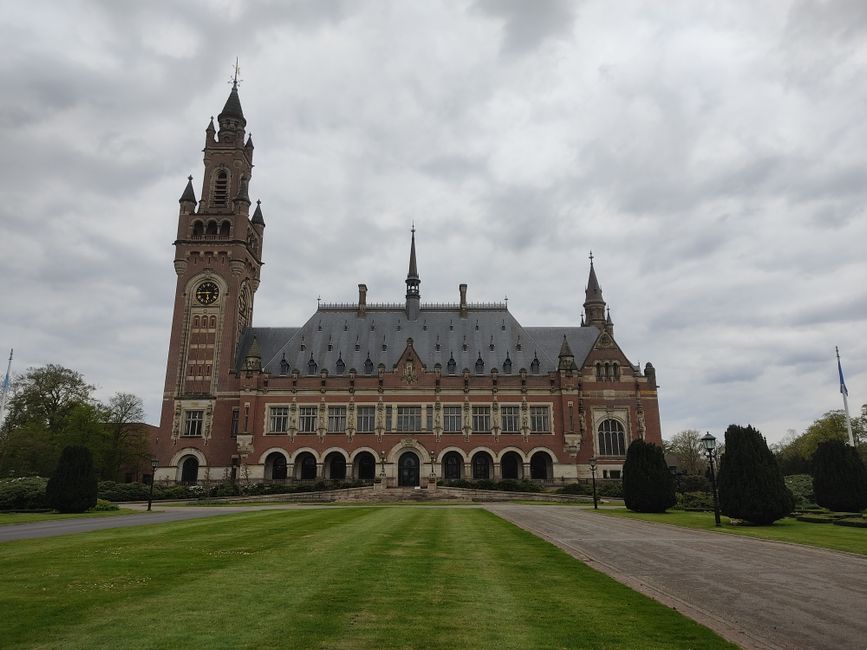
In a historic advisory opinion delivered in The Hague, the International Court of Justice (ICJ) has established that nations hold a clear legal obligation to protect the environment from greenhouse gas emissions. The ruling, read by the President of the Court, Judge Iwasawa Yuji, emphasizes that countries must act with due diligence and cooperation to address the global climate crisis. This decision marks a significant development in international law, as it clarifies the legal responsibilities of states regarding the health of the planet. The ICJ is the principal judicial body of the United Nations and serves as the world's highest court for disputes between nations. While advisory opinions are not strictly binding, they carry immense legal and moral weight, often shaping how international treaties are interpreted and applied. By defining these obligations, the Court has provided a framework that could influence future climate litigation and policy worldwide. The ruling specifically highlights the importance of the Paris Agreement on climate change, which aims to limit global warming to 1.5°C above pre-industrial levels. The Court noted that failing to meet these environmental commitments can result in legal responsibility for nations. If a state breaches these duties, it may be required to stop the harmful conduct, provide guarantees that the actions will not happen again, and potentially offer full reparation for damages caused. This reasoning is rooted in a wide range of existing environmental and human rights treaties that member states have already signed. The case was unprecedented in its scale, involving 91 written statements and participation from 97 states during oral proceedings. UN Secretary-General António Guterres welcomed the decision, describing it as a victory for climate justice and for the efforts of young people globally. He noted that the ruling reinforces the urgent need for a transition to renewable energy. The ICJ, often called the World Court, remains the only international court that adjudicates general disputes between nations. Its role in clarifying these obligations is seen by many legal experts as a vital step in holding governments accountable for their environmental impact. As the international community continues to navigate the challenges of climate change, this ruling provides a new legal benchmark for state conduct. It serves as a reminder that international law is an evolving field, capable of addressing the most pressing issues facing the modern world.
You've reached your free article limit
You've read 10 of 10 free articles this month. Subscribe to Planet Earth News Network for unlimited access to neutral, global journalism — plus puzzles, podcasts, and the weekly newsletter.
Already a subscriber? Sign in.
Ask the Author
Subscribers can ask the journalist a question about this story. Subscribe to ask.
中立性の注記
Auto-harvested from global news wires and presented neutrally by PENN.
to vote
Comments
No comments yet — be the first to share your thoughts.
Related stories in Legal & Justice

Brazil Supreme Court Expands Liability for Online Platforms Regarding User Content
2026-09-30
Hong Kong Court Upholds Convictions of Humanitarian Fund Organizers
2026-09-29