Acción Andina Leads Community-Driven Restoration of High-Altitude Polylepis Forests
Indigenous and rural communities in the Andes are reviving rare, paper-barked forests to protect vital water sources and biodiversity.
PENN Explainer
Hear this story explained in 90 seconds.
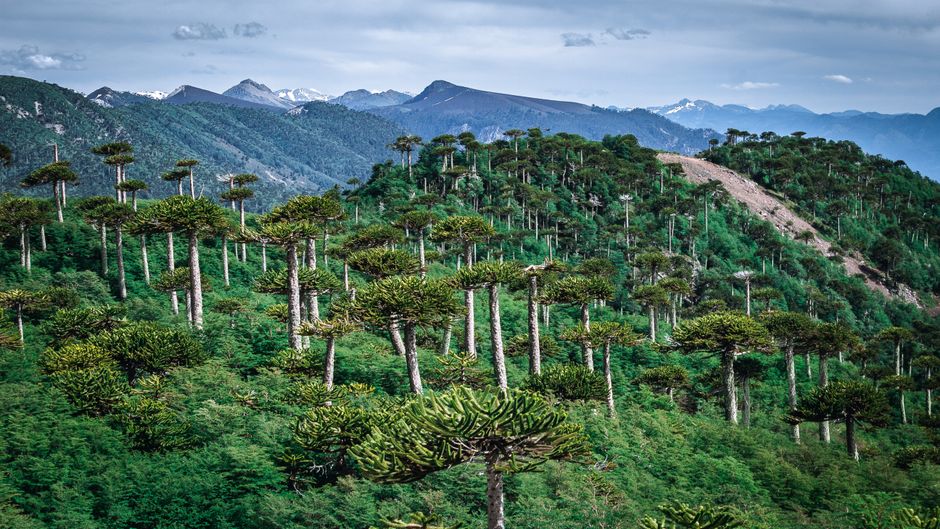
High in the Andes Mountains, a significant conservation initiative is working to restore ecosystems that have been lost for generations. The project, known as Acción Andina, focuses on the revival of Polylepis forests. These unique, high-altitude woodlands are characterized by their twisted, paper-barked trees that thrive at elevations where few other plant species can survive. By restoring these forests, the initiative aims to secure critical water supplies and protect the biodiversity of the Andean region.
The success of this project relies on a collaborative model that centers on Indigenous and rural communities. These local groups possess deep, generational knowledge of the landscape, which is essential for effective reforestation. Rather than imposing top-down strategies, the initiative works alongside these communities to ensure that restoration efforts are culturally respectful and environmentally sound. This approach fosters long-term stewardship, moving beyond temporary fixes to create lasting ecological health.
A network of experts provides the necessary technical resources and support to help these communities succeed. This partnership ensures that the reforestation work is backed by scientific data while remaining grounded in local expertise. By combining modern conservation science with traditional land management practices, the project has been able to scale its efforts across various challenging terrains. This dual approach is a key factor in the initiative's ability to achieve measurable progress in difficult environments.
Polylepis forests play a vital role in the Andean water cycle, acting as natural sponges that capture moisture from the air and regulate water flow into the valleys below. As climate change alters weather patterns, the protection of these water-regulating ecosystems has become increasingly urgent. The restoration of these forests provides a nature-based solution to water scarcity, benefiting both the wildlife that depends on the habitat and the human populations that rely on the water for agriculture and daily life.
The initiative has already seen success in various regions across the Andes, where community-led planting efforts have begun to reconnect fragmented forest patches. These efforts are not only restoring the physical landscape but are also strengthening the social fabric of the participating communities. By taking ownership of their natural resources, these groups are building resilience against environmental changes. The project serves as a model for how community-led conservation can address complex ecological challenges.
Evidence of the project's impact can be seen in the increasing survival rates of native saplings and the return of local wildlife to restored areas. The initiative emphasizes the importance of monitoring and evaluation to ensure that the restoration work is meeting its goals. By tracking the growth of the forests and the health of the surrounding soil, the organizers can refine their methods and share best practices with other regions. This commitment to evidence-based action is central to the project's philosophy.
Beyond the immediate environmental benefits, the project also highlights the importance of Indigenous leadership in global conservation efforts. By recognizing the rights and knowledge of local people, the initiative demonstrates that effective environmental protection is inseparable from social equity. This perspective is gaining traction among international conservation organizations as a standard for future projects. The success of Acción Andina provides a clear example of how such partnerships can lead to meaningful change.
As the project continues to expand, it faces the ongoing challenge of balancing restoration goals with the economic needs of local populations. The initiative addresses this by promoting sustainable land-use practices that allow communities to thrive alongside the restored forests. This holistic view ensures that the conservation efforts are sustainable in the long term. It also helps to build broader support for the project among diverse stakeholders.
The work being done in the Andes is part of a larger, global movement toward nature-based solutions for climate change. By focusing on the restoration of native habitats, these projects are helping to sequester carbon and protect vulnerable species. The lessons learned from the Polylepis restoration are being applied to other ecosystems, demonstrating the scalability of the community-led model. This progress offers a hopeful outlook for the future of global conservation.
Ultimately, the Acción Andina initiative proves that ecological recovery is possible when innovation meets local action. By empowering those who live closest to the land, the project is rewriting the rules of conservation. The ongoing efforts in the Andes serve as a reminder that the most effective solutions are often those that honor the connection between people and their environment. As the forests grow, so too does the resilience of the communities that protect them.
Ask the Author
Subscribers can ask the journalist a question about this story. Subscribe to ask.
中立性说明
Auto-harvested from global news wires and presented neutrally by PENN.
to vote
Comments
No comments yet — be the first to share your thoughts.