Philippines Community Project Restores Mangroves to Protect Coastal Infrastructure
The EARTH project integrates waste management and nature-based solutions to safeguard vulnerable coastlines from environmental degradation.
PENN Explainer
Hear this story explained in 90 seconds.
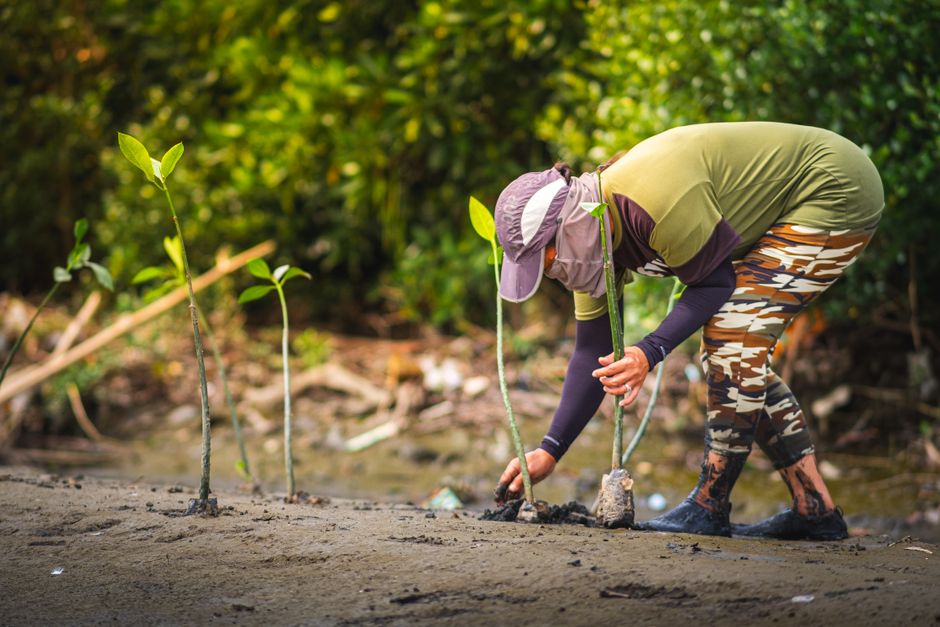
In the Philippines, a community-led initiative known as the EARTH project is working to restore vital mangrove ecosystems. These coastal forests serve as natural infrastructure, providing essential protection against storms and flooding for urban and rural populations. By focusing on areas ranging from the waterways of Malabon to the coastal forests of Zamboanga, the project aims to improve water quality and support local fisheries. The initiative recognizes that healthy ecosystems are foundational to the long-term safety and economic stability of coastal residents. Through these efforts, the project demonstrates how nature-based solutions can be integrated into broader community development strategies. The EARTH project was established to address the environmental impacts that can sometimes arise from humanitarian crises and response efforts. Organizers emphasize that support for vulnerable communities must not come at the expense of the natural resources they rely on for survival. By prioritizing ecological health, the project ensures that development remains sustainable and resilient against future climate challenges. This approach highlights the importance of balancing immediate human needs with long-term environmental stewardship. Implementation of the project involves a multi-faceted strategy that combines environmental restoration with practical waste management systems. Residents are actively involved in cleaning up waterways and managing waste to prevent pollution from reaching the mangroves. Additionally, the project encourages the formation of community savings groups to foster local cooperation and financial independence. These groups provide a platform for residents to coordinate their efforts and share resources effectively. More than halfway through its planned implementation, the EARTH project is already showing measurable progress in both environmental and social outcomes. Local communities have reported improvements in the health of their surrounding ecosystems, which in turn supports the biodiversity necessary for sustainable fishing. By empowering residents to take ownership of their environment, the project creates a model that can be adapted for other regions facing similar coastal threats. The success of this initiative underscores the effectiveness of community-driven action in addressing complex environmental problems. As the project continues, it serves as a practical example of how local knowledge and collective action can lead to significant, evidence-based improvements in environmental resilience. The integration of waste management and ecosystem restoration provides a comprehensive framework for protecting vulnerable coastlines. Future efforts will likely focus on scaling these successes to reach more communities across the archipelago. By documenting these results, the EARTH project contributes valuable data to the global understanding of nature-based solutions.
Ask the Author
Subscribers can ask the journalist a question about this story. Subscribe to ask.
Neutrality note
Auto-harvested from global news wires and presented neutrally by PENN.
to vote
Comments
No comments yet — be the first to share your thoughts.