Australia Faces Heightened Bushfire Risk Across Multiple States
Satellite data confirms hundreds of active fires as authorities warn of an early start to the season due to warmer, drier conditions.
PENN Explainer
Hear this story explained in 90 seconds.
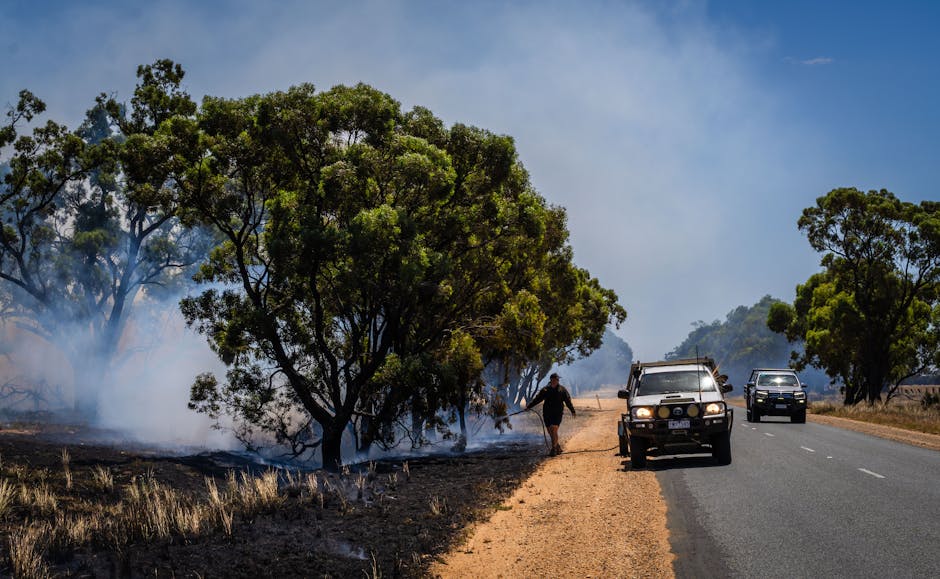
Satellite monitoring systems have detected over 500 significant bushfires burning across seven states and territories in Australia. These fires, which vary in intensity, are currently being tracked by emergency services as they monitor potential threats to local communities. The widespread nature of these incidents highlights the ongoing challenges faced by fire management agencies across the continent. Officials are urging residents to remain vigilant and maintain updated emergency plans as conditions evolve.
The current situation reflects a complex meteorological environment that has allowed fires to persist in diverse regions, from the Clarence Valley in New South Wales to the Kimberley region in Western Australia. Each fire is being assessed for its intensity and potential impact on surrounding areas. The Australian and New Zealand National Council for fire and emergency services, known as AFAC, recently released a seasonal outlook that warned of an increased fire risk for the winter months. This forecast specifically identified northern parts of Western Australia and central and northern New South Wales as areas of particular concern.
The outlook is based on climate drivers that suggest warmer and drier-than-average conditions will persist across much of eastern Australia. These environmental factors are often associated with shifts toward El Niño, which historically has amplified fire risks across the country. In addition to temperature trends, fuel loads play a critical role in the current fire activity. Above-average rainfall during the previous wet season in regions like the Kimberley and the Great Sandy Desert has led to significant vegetation growth.
As the dry season progresses, this vegetation cures and becomes highly flammable, creating elevated risks for rapid fire spread. Fire authorities are closely monitoring these fuel loads to predict where future outbreaks might occur. The combination of high fuel availability and dry weather creates a volatile situation for emergency responders. Residents in affected areas are encouraged to follow official guidance and stay informed through local emergency alert systems.
These systems are designed to provide timely information regarding fire locations and safety warnings. Maintaining a clear evacuation strategy remains a primary recommendation for those living in high-risk zones. As the season continues, the focus remains on early detection and rapid response to minimize the impact on both human communities and local ecosystems. The ongoing monitoring efforts by satellite and ground crews are essential for managing the current fire landscape. Future developments will depend on shifting weather patterns and the continued vigilance of both authorities and the public.
Ask the Author
Subscribers can ask the journalist a question about this story. Subscribe to ask.
Neŭtraleca noto
Auto-harvested from global news wires and presented neutrally by PENN.
to vote
Comments
No comments yet — be the first to share your thoughts.