
Australia Introduces Landmark Legislation to Boost Housing Density Near Transit Hubs
New planning reforms in New South Wales aim to fast-track residential construction to address ongoing supply shortages.
PENN Explainer
Hear this story explained in 90 seconds.
The New South Wales government in Australia has introduced significant planning reforms designed to accelerate the construction of high-density housing near major transport corridors. This legislative push, announced by Premier Chris Minns, targets areas within 800 meters of rail stations and key service centers across Sydney and regional hubs. The initiative seeks to streamline approval processes for developments that include a substantial portion of affordable units. This policy represents a shift in how the state handles urban density and infrastructure integration.
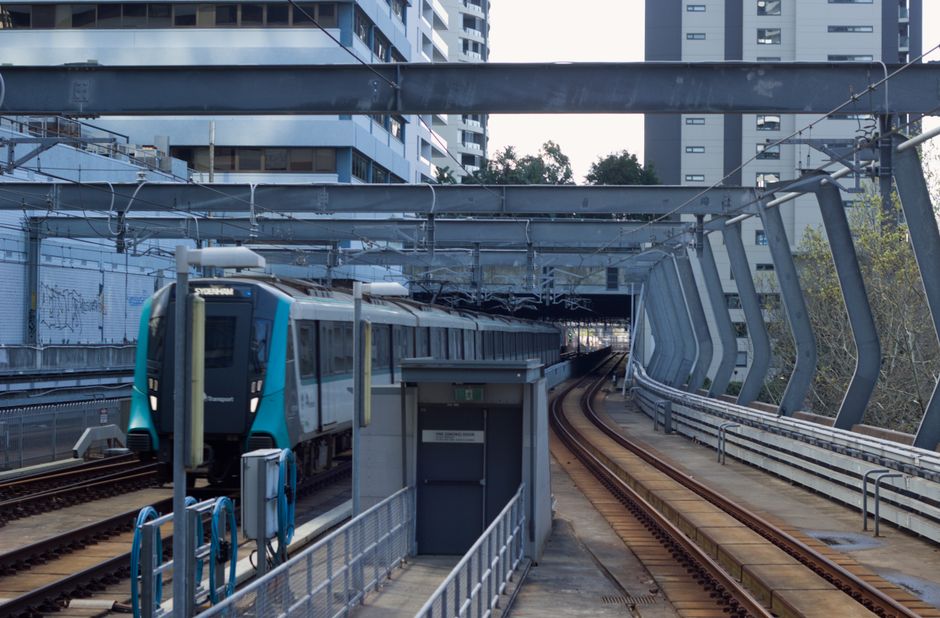
By prioritizing development near existing transit networks, officials hope to reduce commuter reliance on cars while simultaneously increasing the total number of available homes. Planners expect these changes to accommodate thousands of new residents over the next decade. Under the new rules, developers will gain the ability to build taller apartment complexes in designated zones that were previously restricted by strict height and density caps. These projects will be subject to expedited assessment pathways to ensure they move from concept to completion more quickly than traditional proposals.
The government stated that this measure is necessary to combat the systemic undersupply that has kept prices high for many buyers. Critics of the proposal have raised questions regarding the impact on existing neighborhood character and local infrastructure capacity. Some community groups argue that rapid densification could strain local sewage, road, and school systems if upgrades do not keep pace with construction. Planning Minister Paul Scully has countered these concerns by noting that development contributions will be used to fund the necessary upgrades to local amenities.
Industry organizations have generally welcomed the move as a pragmatic step toward market stabilization. Property developers suggest that reducing regulatory hurdles is essential for making multi-family projects financially viable in a high-interest rate environment. The Urban Taskforce Australia, an industry group, noted that the certainty provided by these clear zones encourages long-term investment in housing stock. Despite the support from the building sector, some local councils have voiced opposition to the state-led nature of these reforms.
They argue that local planning authorities are better positioned to determine the specific needs of their unique neighborhoods. Some council members expressed concern that the state government is overriding local democratic decision-making in favor of a top-down approach to growth. To address concerns regarding affordability, the policy mandates that a percentage of new units in these high-density zones must be classified as affordable housing. These units will be managed by registered community housing providers to ensure they remain accessible to low-to-moderate income households.
This requirement is intended to prevent the new construction from only catering to the luxury market. Economic analysts point out that the success of this strategy depends on the broader economic climate, including construction costs and labor availability. While the policy lowers the administrative barriers, builders must still contend with the rising costs of materials and the shortage of skilled tradespeople. Many firms are watching these developments closely to see if the increased volume can compensate for higher operational expenses.
Previous efforts to incentivize density in the state have seen mixed results due to complex zoning laws and lengthy approval times. By centralizing the approval process, the government aims to eliminate the friction that has historically delayed essential projects. This is considered one of the most ambitious attempts to reshape the urban landscape of Sydney in recent memory. The New South Wales government plans to monitor the implementation of these reforms closely to ensure developers are meeting their obligations.
They have promised to adjust the framework if specific areas experience negative impacts on quality of life or public services. Future stages of the plan may expand to cover additional transit corridors currently outside the scope of the initial proposal. As the state moves forward, the primary goal remains achieving a balance between necessary urban expansion and the maintenance of liveable cities. Whether this policy effectively eases the pressure on the housing market will likely depend on the speed of delivery and the absorption rate of the new units. The coming years will serve as a test for the state’s ability to manage growth through legislative reform.
Ask the Author
Subscribers can ask the journalist a question about this story. Subscribe to ask.
Neutrality note
Auto-harvested from global news wires and presented neutrally by PENN.
to vote
Comments
No comments yet — be the first to share your thoughts.
Related stories in Real Estate & Housing

Germany Faces Shift in Commercial Real Estate as Office Vacancy Rates Climb
2026-10-06
Singapore Public Housing Market Records Second Consecutive Quarterly Price Decline
2026-10-05