
Brazil's Agricultural Sector Faces Logistics and Climate Challenges
Strong soybean export demand drives up freight rates as farmers monitor El Niño impacts on future harvests.
PENN Explainer
Hear this story explained in 90 seconds.
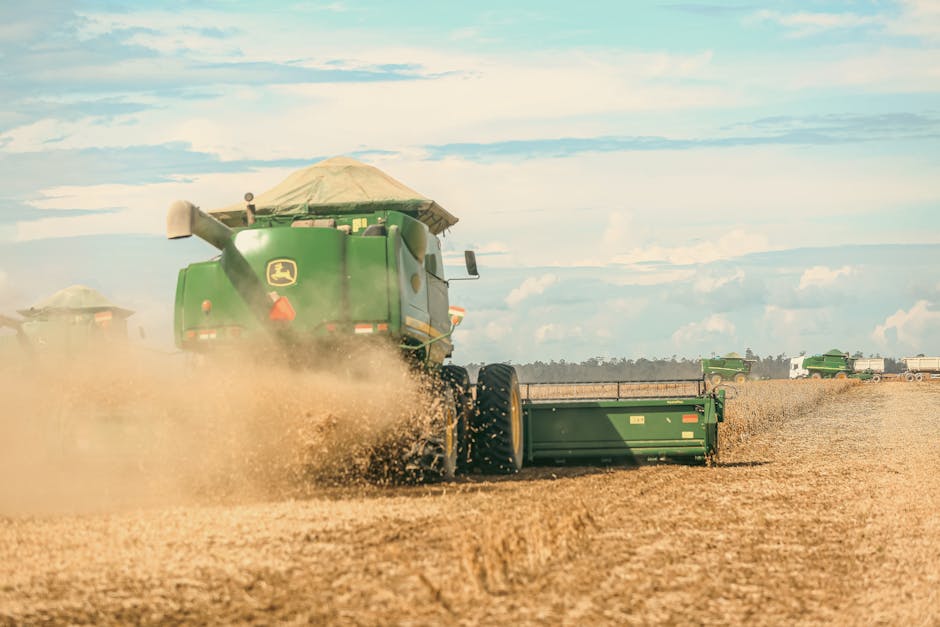
Brazil's agricultural sector is currently navigating a complex landscape of high export demand and shifting climate patterns. As a global leader in grain production, the country continues to see significant activity at major export hubs like the Northern Arc and Santos. These ports remain critical to the nation's ability to move massive volumes of soybeans and corn to international markets.
Recent data from August 2026 indicates that agricultural freight rates in Brazil have trended upward compared to the previous year. This increase is largely attributed to robust international demand for soybeans and the ongoing pace of harvest activities. Logistics costs in specific regions, such as Minas Gerais and Goiás, have seen notable spikes due to the movement of coffee and sorghum.
Despite these logistical pressures, Brazil's National Supply Company, known as Conab, has maintained a positive outlook on overall production. The country recently completed a record-breaking soybean harvest, which has solidified its position as a primary supplier for global food systems. However, the sector is now turning its attention toward the potential effects of the El Niño climate pattern on the 2026-2027 growing season.
Meteorologists are closely watching weather trends across South America as the calendar year draws to a close. While central Brazil has experienced favorable conditions, some regions in Argentina and southern Brazil are showing signs of a drier trend. These moisture levels are vital for the development of corn and soybean crops currently in their early growth stages.
Farmers and analysts are balancing these environmental variables against the backdrop of global market competition. While Brazil's output remains high, the industry is mindful of how weather-related yield fluctuations could impact future export volumes. Conservative estimates are currently being applied to second-crop corn yields to account for potential rainfall variability.
Market participants are also monitoring the broader economic environment, including input costs and credit availability for producers. The interplay between domestic production capacity and international trade requirements continues to shape the strategic decisions of Brazilian agribusinesses. Maintaining stable supply chains is essential for meeting the consistent demand from major importers.
Global agricultural agencies are tracking these developments to assess the impact on food security and price stability. Because Brazil is such a significant contributor to the world's grain supply, any shift in its production or logistics can have ripple effects on global markets. Analysts emphasize that favorable weather in the coming months will be the deciding factor for the next harvest cycle.
In addition to soybeans and corn, other crops like cotton and sorghum are showing varied performance metrics. These commodities are also subject to the same logistical and climate-related pressures that affect the broader grain sector. Diversification in production helps some regions mitigate the risks associated with relying on a single crop.
As the industry moves forward, the focus remains on balancing record-level production with the need for efficient transportation infrastructure. The ability to adapt to changing climate conditions will likely determine the success of the upcoming agricultural seasons. Stakeholders continue to rely on real-time data to navigate these ongoing challenges in the global food system.
You've reached your free article limit
You've read 10 of 10 free articles this month. Subscribe to Planet Earth News Network for unlimited access to neutral, global journalism — plus puzzles, podcasts, and the weekly newsletter.
Already a subscriber? Sign in.
Ask the Author
Subscribers can ask the journalist a question about this story. Subscribe to ask.
Neutrality note
Auto-harvested from global news wires and presented neutrally by PENN.
to vote
Comments
No comments yet — be the first to share your thoughts.
Related stories in Agriculture & Food Security
Vietnam Modernizes Agricultural Sector Through Technology and Policy Reform
2026-11-09
Vietnam Launches Ambitious Plan to Expand Sustainable Rice Production
2026-11-09