China Establishes National Standards for Mangrove Restoration Efforts
New technical guidelines aim to standardize the recovery of vital coastal ecosystems to support biodiversity and carbon sequestration goals.
PENN Explainer
Hear this story explained in 90 seconds.
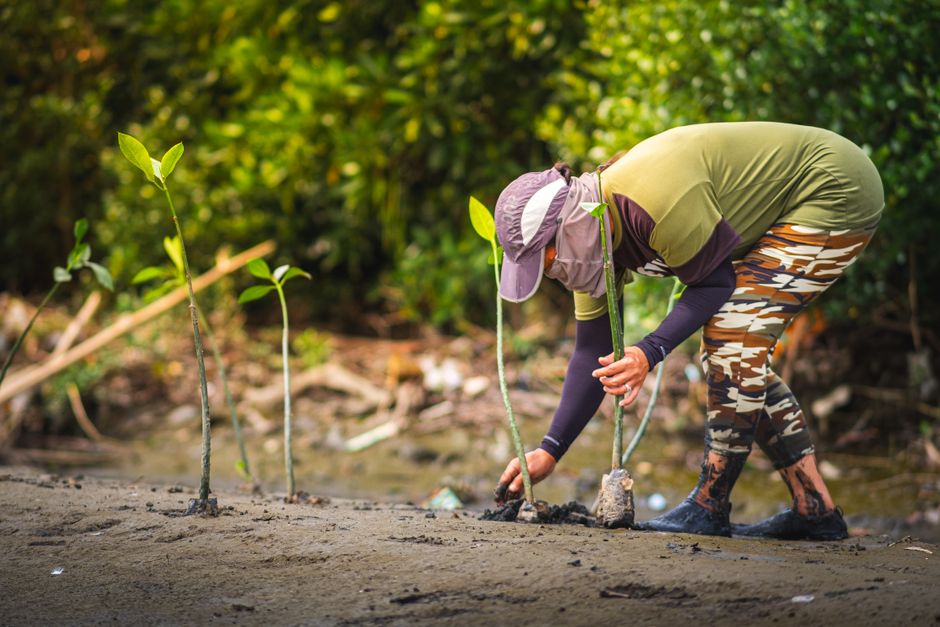
The Chinese government has officially released its first set of national standards for the restoration of mangrove ecosystems. These technical guidelines provide a structured framework for local authorities and conservationists to follow when rehabilitating coastal wetlands. The move is part of a broader effort to ensure that restoration projects are scientifically sound and ecologically effective. Mangroves serve as a critical interface between land and sea, providing essential services such as storm protection and water purification.
By establishing these standards, officials hope to improve the success rate of planting and recovery initiatives across the country's intertidal zones. These unique ecosystems are known for their dense root systems, which act as powerful carbon sinks and nurseries for offshore fisheries. The new policy builds upon the Mangrove Protection and Restoration Action Plan that was launched in 2020. That initial plan set an ambitious target to expand the nation's total mangrove coverage to 36,000 hectares by the end of 2025.
This expansion is a key component of the national strategy to reach dual carbon goals, which focus on peaking emissions and achieving carbon neutrality. Experts note that mangrove restoration is complex because it requires careful consideration of local hydrology and soil conditions. The new standards address these challenges by outlining specific requirements for site selection, species selection, and long-term monitoring. By creating a uniform approach, the government aims to prevent the common pitfalls that have hindered past restoration attempts.
Similar initiatives are gaining momentum globally as nations recognize the value of blue carbon ecosystems in the fight against climate change. Organizations like the Global Mangrove Alliance have also been working to drive international investment into these habitats. While restoration is vital, researchers emphasize that protecting existing, healthy mangrove forests remains the most effective conservation strategy. The success of these new standards will depend on how effectively they are implemented by local governments and community groups. Future assessments will likely track whether these guidelines lead to more resilient and biodiverse coastal landscapes.
Ask the Author
Subscribers can ask the journalist a question about this story. Subscribe to ask.
নিরপেক্ষতা নোট
Auto-harvested from global news wires and presented neutrally by PENN.
to vote
Comments
No comments yet — be the first to share your thoughts.