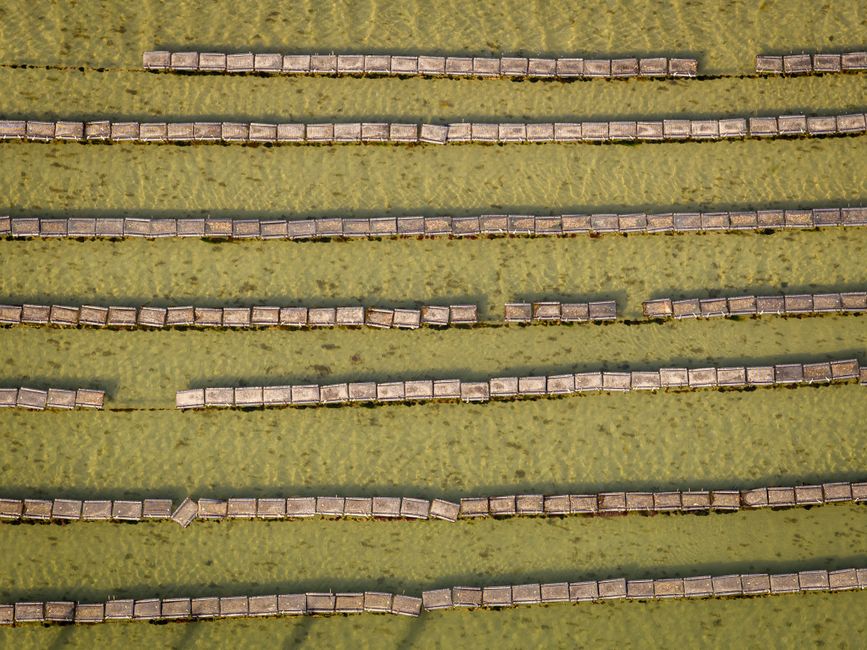
Communities in the Philippines Restore Wetlands to Build Climate Resilience
The EARTH project empowers residents in Zamboanga and Malabon to manage waste and restore mangroves to protect local ecosystems.
PENN Explainer
Hear this story explained in 90 seconds.
In the coastal cities of Zamboanga and Malabon, Philippines, local communities are taking direct action to address environmental degradation through the EARTH project. This initiative focuses on restoring natural ecosystems while simultaneously improving waste management systems. By addressing these interconnected issues, residents are working to strengthen their resilience against climate-related threats. The project was developed to ensure that humanitarian efforts do not inadvertently harm the local environment. It provides a framework for communities to manage their resources more sustainably while protecting the natural systems they rely on for their livelihoods. Through the EARTH project, participants are actively restoring mangrove forests, which serve as vital buffers against storm surges and coastal erosion. These efforts are supported by community-led action, where residents take ownership of their local environment. The initiative also involves testing various nature-based solutions that are tailored to the specific needs of each city. These methods are designed to be scalable and adaptable to other regions facing similar environmental pressures. A key component of the project is the establishment of community savings groups. These groups allow residents to pool resources and invest in long-term environmental improvements. By fostering cooperation, the project helps build social cohesion alongside ecological restoration. The success of these initiatives demonstrates the effectiveness of community-driven approaches to environmental management. Residents in Zamboanga and Malabon have reported measurable improvements in their local surroundings since the project began. These changes include cleaner waterways and a more robust defense against the impacts of climate change. The EARTH project highlights the importance of integrating waste management with ecosystem restoration. By treating these challenges as part of a single system, the project creates more durable and lasting results. This model offers a practical example for other coastal communities seeking to protect their environment while supporting local development. As the project continues, it serves as a testament to the power of local initiative in addressing global environmental challenges.
Ask the Author
Subscribers can ask the journalist a question about this story. Subscribe to ask.
Neutrality note
Auto-harvested from global news wires and presented neutrally by PENN.
to vote
Comments
No comments yet — be the first to share your thoughts.