Community-Led Mangrove Restoration Transforms Coastal Protection in Kenya
The Mikoko Pamoja project uses carbon credits to fund ecosystem recovery and support local livelihoods in Gazi Bay.
PENN Explainer
Hear this story explained in 90 seconds.
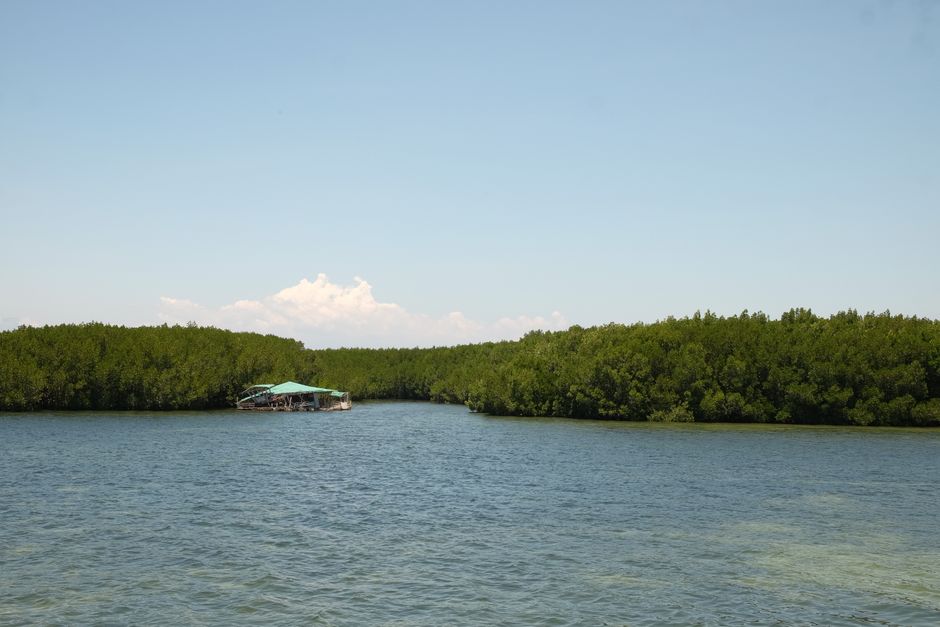
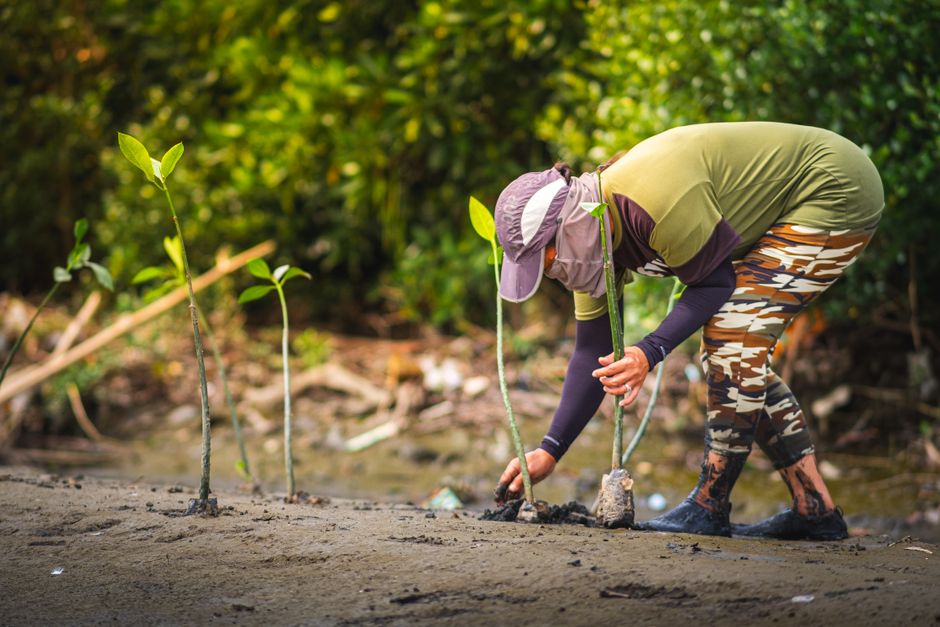
In the coastal village of Gazi Bay, Kenya, local residents have pioneered a successful model for environmental conservation that balances ecological health with economic stability. The initiative, known as Mikoko Pamoja, focuses on the restoration and protection of vital mangrove forests that were once threatened by overexploitation. By shifting from traditional timber harvesting to a sustainable management approach, the community has created a blueprint for coastal resilience. This project demonstrates how local leadership can effectively address the dual challenges of habitat loss and climate change. The effort began in 2010 after the community observed a significant decline in their local mangrove forests, which had lost approximately 20 percent of their cover due to the demand for building materials and fuelwood. This degradation left the shoreline vulnerable to erosion and reduced the availability of fish, which rely on mangrove roots as nursery habitats. Recognizing the need for change, residents partnered with the United Kingdom-based charity Plan Vivo to develop a more sustainable path forward. The core of the Mikoko Pamoja strategy involves the use of carbon credits to incentivize conservation. By protecting existing mangroves and replanting degraded areas, the project generates carbon offsets that are sold in international markets. These credits represent the greenhouse gas emissions prevented by keeping the forests intact. The revenue generated from these sales provides a consistent financial stream that supports the community. According to Eva Schoof, a programme manager at Plan Vivo, the project has proven that local conservation schemes can deliver sustainable development impacts. The funds are used to pay staff wages for conservation activities and to reinvest in essential community needs. This financial model ensures that the people who live closest to the ecosystem have a direct stake in its long-term survival. Beyond the economic benefits, the restoration of the mangroves provides critical protection against extreme weather events. Mangroves act as natural barriers, absorbing the energy of storm surges and reducing the impact of flooding on coastal homes. As sea levels rise, these forests serve as a vital defense for the village of Gazi Bay. The project also helps to stabilize the surrounding marine environment, which supports local fishing industries. The success of Mikoko Pamoja has gained international attention as a model for blue carbon projects. By integrating community-based management with global carbon markets, the initiative offers a scalable solution for other coastal regions facing similar pressures. It highlights the importance of empowering local stakeholders to lead environmental restoration efforts. As the project continues to evolve, it remains a testament to the effectiveness of combining nature-based solutions with economic incentives. The ongoing work in Gazi Bay serves as a practical example of how communities can adapt to environmental changes while fostering local prosperity.
Ask the Author
Subscribers can ask the journalist a question about this story. Subscribe to ask.
Neutralitätsvermerk
Auto-harvested from global news wires and presented neutrally by PENN.
to vote
Comments
No comments yet — be the first to share your thoughts.