Community of the Day: Gjirokastër, Albania
The Stone City of the Balkans
PENN Explainer
Hear this story explained in 90 seconds.
Gjirokastër, Albania
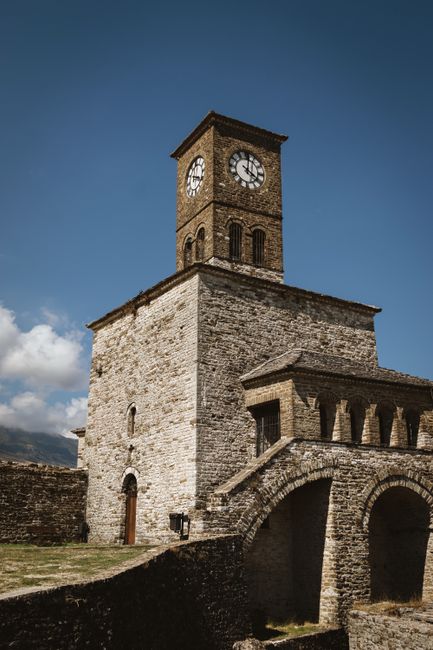
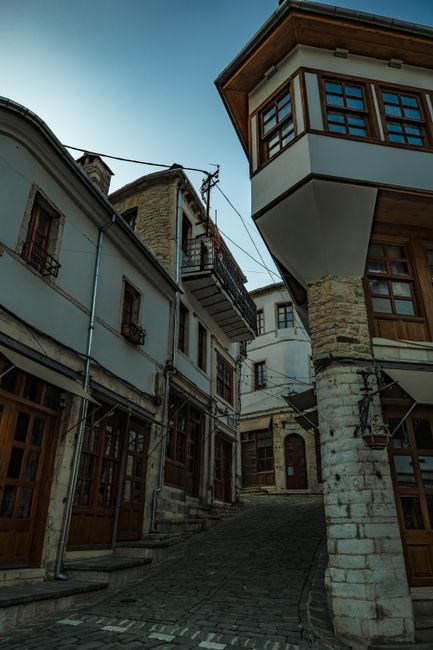
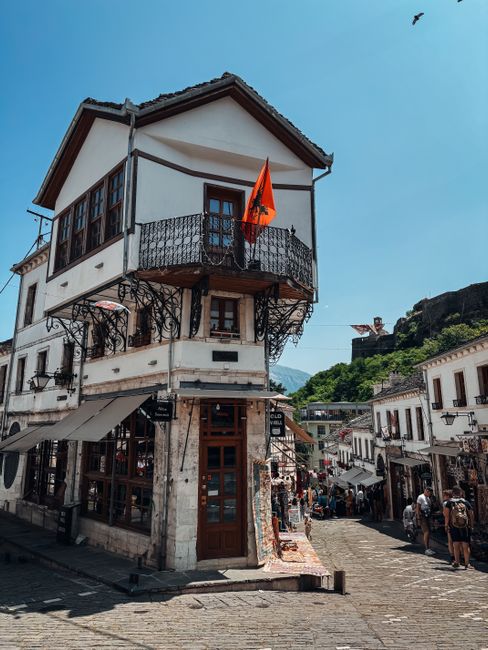
Gjirokastër is a historic city in southern Albania, renowned for its remarkably preserved Ottoman-era architecture and its status as a UNESCO World Heritage site. Often called the 'Stone City' due to its distinctive limestone-roofed houses and steep, cobblestone streets, it serves as a living museum of Balkan history and culture.
- Gjirokastër is famously known as the 'Stone City' because of its unique architectural style, where traditional houses are built with heavy stone roofs that blend seamlessly into the rugged mountain landscape.
- The city is a designated UNESCO World Heritage site, recognized for its rare example of a well-preserved Ottoman town that has maintained its original urban layout and character over several centuries.
- The Gjirokastër Fortress, which dominates the city skyline, is one of the largest in the Balkans and has served as a citadel, prison, and military stronghold throughout its long and turbulent history.
- The city is the birthplace of the renowned Albanian novelist Ismail Kadare, whose literary works often draw inspiration from the unique atmosphere and complex history of his hometown.
- During the communist era, Gjirokastër was designated as a 'museum town' and served as an industrial and commercial center, though it is also infamous as the birthplace of the long-time dictator Enver Hoxha.
- The local economy has shifted significantly toward tourism in recent years, with visitors drawn to the city's authentic guesthouses, traditional bazaars, and the opportunity to experience genuine Albanian hospitality.
- Gjirokastër is a cultural hub for the region, hosting various festivals that celebrate traditional polyphonic singing, a unique style of folk music that is deeply rooted in the southern Albanian identity.
- The city's geography is defined by its location in the Drino Valley, nestled between the Gjerë mountains, which provides a dramatic backdrop and a cooler climate compared to the nearby coastal regions.
- Navigating the city can be a challenge for visitors due to its steep, winding streets, which require a good pair of walking shoes and a sense of adventure to fully explore the hidden corners of the old town.
- The local cuisine is a highlight for travelers, featuring traditional dishes such as 'qifqi'—savory rice balls seasoned with herbs—which are a specialty unique to Gjirokastër and rarely found elsewhere in the country.
Photo Gallery
Ask the Author
Subscribers can ask the journalist a question about this story. Subscribe to ask.
Nota de neutralidade
Community of the Day feature by PENN editorial.
to vote
Comments
No comments yet — be the first to share your thoughts.
Author
Planet Earth News Travel DeskSenior Editor, Planet Earth News Network
View all articles by Desk →